 5★
Flight
≈ 1 h + 1 h road
CCU → PBH, non-stops limited; check schedules
Airport
PBH
Paro International Airport
Best time
March to May and September to November
check the season before booking
Stay
3 to 4 nights
+2 for Punakha or Paro
Country
Bhutan
check entry rules
Fly from Kolkata to Paro, then travel by road to Thimphu, roughly an hour in the air and an hour on the road. Non-stop flights are limited or seasonal, so check schedules before booking. Base yourself in Thimphu centre for sights and permits, or in Motithang for a quieter stay near the takin preserve. Three or four nights covers the capital comfortably. March to May and September to November are the best months.
Getting from Kolkata to Thimphu
By air
Paro International Airport is Bhutan's only international gateway, and all arrivals pass through it. From Kolkata the flying time is about an hour; the drive on to Thimphu takes about an hour more. Non-stop services are limited or seasonal, so confirm current schedules with the airlines before fixing dates. Immigration and permit checks take place at Paro on arrival, so keep your papers to hand.
Paro airport sits in a narrow valley and handles a small number of movements a day, so allow slack around your flight. The road to Thimphu follows the Paro Chu and then the Wang Chu, climbing into the capital at the end. Arrange a car and driver in advance through a licensed operator, or take a taxi from the airport rank.
Other options
There is no train or road route from Kolkata that suits a short trip. Bhutan has no railway, and the overland approach crosses the border at Phuentsholing, a long drive from Kolkata followed by another long drive up to Thimphu. Flying to Paro is the practical option unless you have weeks to spare and want the road journey for its own sake.
Where to stay in Thimphu
Thimphu centre
Best for a first visit. The dzong, the main market, the permit offices and most of the sights sit within walking distance, and taxis are easy to find. Streets go quiet after dark.
Motithang
A quieter, greener part of the city, close to the takin preserve and a short drive from the centre. It suits travellers who want space, cooler evenings and a slower start to the day.
Top things to do in Thimphu
- Tashichho Dzong: The whitewashed fortress and monastery that holds the monk body and government offices. Visit late in the afternoon, when the working day ends, the courtyards empty and the light softens.
- Buddha Dordenma: A large gilded Buddha seated on the hill at Kuenselphodrang, looking down the valley. The walk around the terrace gives wide views of the city and the forested ridges beyond.
- National Memorial Chorten: A white chorten in the middle of town, circled by residents through the day. Come in the morning, when the scene is busiest and the light is still soft.
- Motithang Takin Preserve: A forested enclosure for the takin, Bhutan's national animal, with a short trail through the trees. A slow hour, and easy to manage with children.
- Simply Bhutan: A living museum where visitors try archery, grind grain and taste local dishes. Hands-on and light-hearted, and useful for a mixed group or a wet afternoon.
- Centenary Farmers' Market: Stalls of chillies, dried cheese, red rice and vegetables brought in from nearby valleys. Busiest at weekends, when farming families come to town to sell.
- Zorig Chusum school: Students learn the thirteen traditional crafts, from thangka painting to wood carving, in open workshops. Watching them work is the whole point of the visit, and the school is easy to reach.
- Changangkha Lhakhang: A hilltop temple above the town, where families bring new babies for blessings. The courtyard gives a clear view back over Thimphu and the valley walls.
- Dochula Pass: A ridge of 108 chortens and mountain views south-east of the capital, reached by road. Combine it with a longer drive over the pass towards Punakha.
Three days in Thimphu
- Day 1: Thimphu centre: Settle in, then walk the centre: the National Memorial Chorten, the market and the streets around Changlimithang. Finish at Tashichho Dzong in the late afternoon, when the courtyards are quiet.
- Day 2: Buddha and the north: Drive up to Buddha Dordenma in the morning, then continue north to Motithang for the takin preserve. Spend the afternoon at Simply Bhutan or the Zorig Chusum workshops.
- Day 3: Valleys beyond: Take a half-day drive to Dochula Pass for the chortens and the mountain views, or go further east over the pass to Punakha. Keep the evening free for the market and an early dinner.
Add two nights for Punakha and its dzongs, or go west to Paro for the Tiger's Nest monastery, a steep half-day climb from the valley floor.
Best time to visit Thimphu
March to May and September to November are the best months. Spring brings flowering trees, clear mornings and mild days; autumn follows the monsoon with dry air and sharp mountain views. Winter is cold and quiet, with bright skies and chilly mornings. The summer monsoon brings rain, cloud and slippery roads, and the mountains disappear for days. Thimphu sits high in the hills, so pack layers whatever the season.
Getting around Thimphu
- On foot: The centre is compact and walkable, though the hills make some streets steep.
- Taxis: Shared and private taxis run around town; agree the fare before setting off.
- Car and driver: For days outside the capital, hire a car with a driver through a licensed operator.
Thimphu vs Kolkata: what feels different
Thimphu feels far from Kolkata. The air is cool and dry rather than humid, traffic is light and the streets empty early. Food turns to chillies, cheese, red rice and buckwheat instead of fish, mustard oil and mishti doi. Dzongkha is the everyday language, though English is widely used in shops and offices. The pace is slow, and little of Kolkata's noise carries over.
Before you go
- Documents: Foreign visitors normally need a visa and pay the Sustainable Development Fee; Indian citizens need an entry permit and pay the same fee. Rules and rates change, so check the Department of Immigration of Bhutan before booking.
- Money: The ngultrum is the local currency and is pegged to the Indian rupee, which is accepted in many places. Cards work in larger hotels and shops; carry cash for markets, taxis and small cafés.
- Language: Dzongkha is the national language. English is taught in schools and used in tourism and government offices, so getting by is straightforward.
- Altitude: Thimphu sits high in the hills. Take the first day gently, drink plenty of water and save the steep walks for later in the trip.
Hotels in Thimphu
Hotels from the IMPT hotel database in Thimphu’s main areas, listed by star rating (5-star first, then 4-star) and guest score. No prices are shown here: each button opens live availability for your dates in the IMPT app, and every booking removes one tonne of CO₂.
5★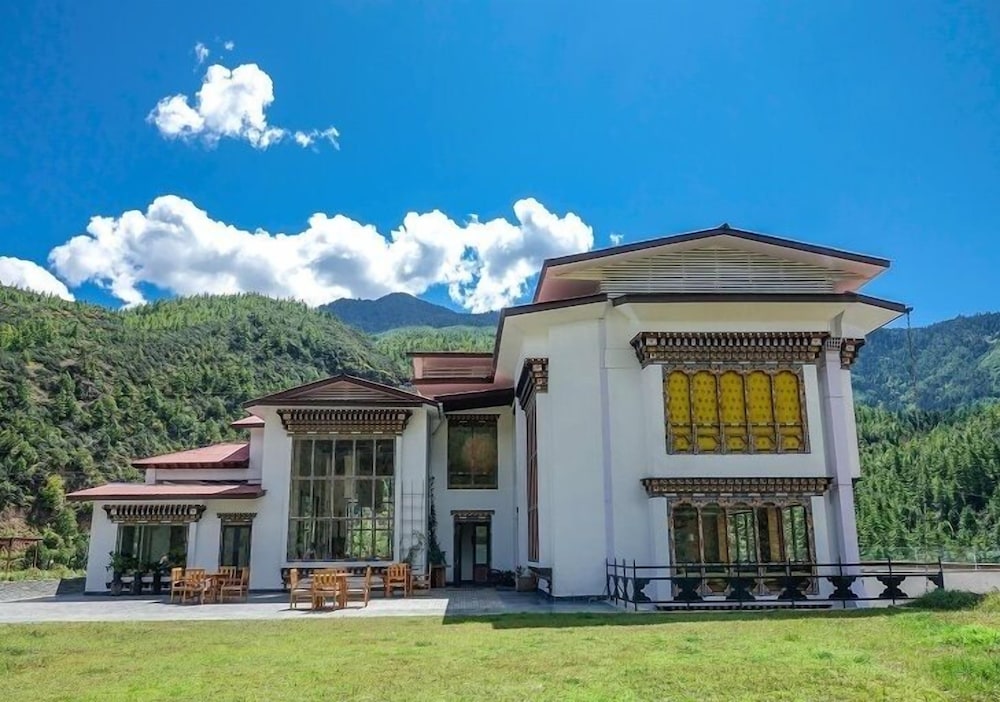 5★
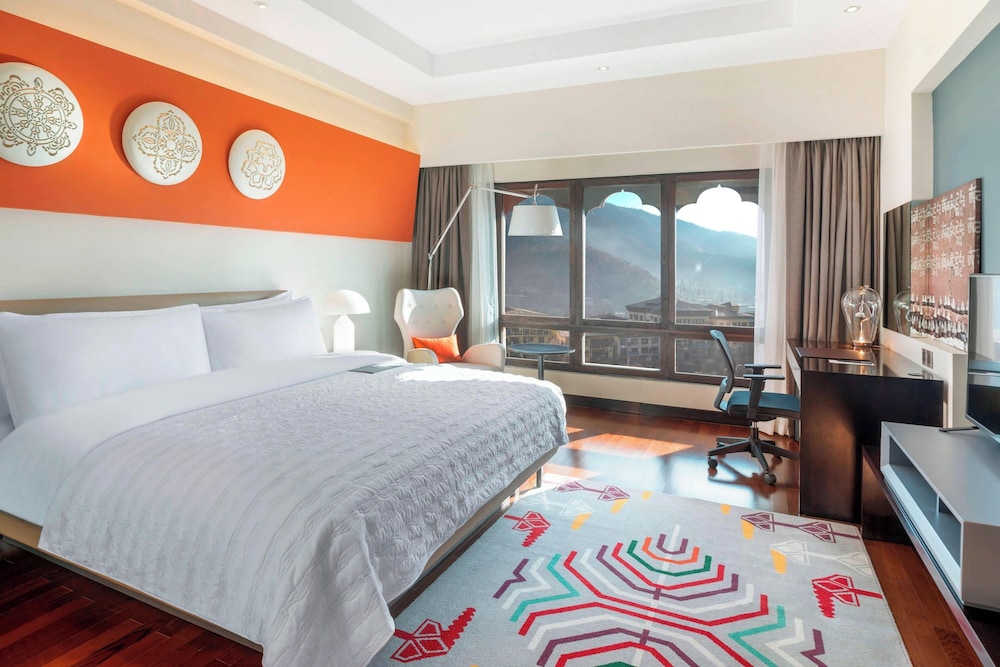
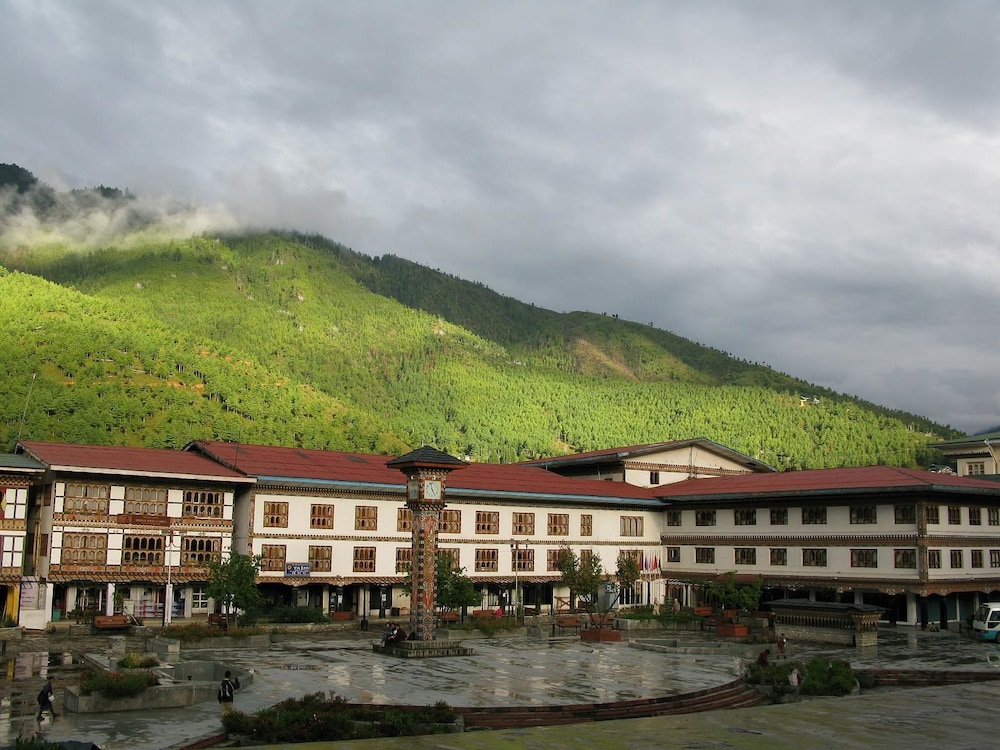
The Postcard Dewa Thimphu
Thimphu centre, Thimphu · 5-starGuest score 4.6/5 · 49 reviewsSee live price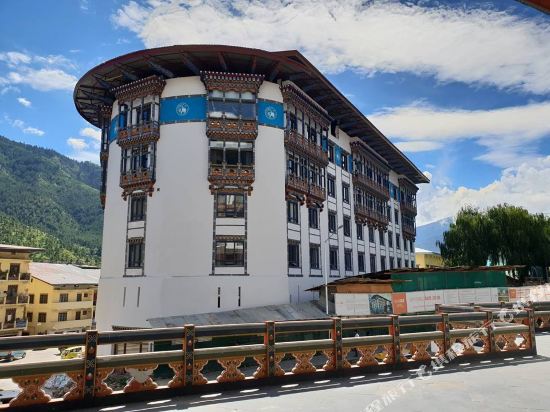 4★
 4★
Terma Linca Resort and Spa
≈ 5 km from Thimphu centre, Thimphu · 4-starGuest score 4.6/5 · 350 reviewsSee live price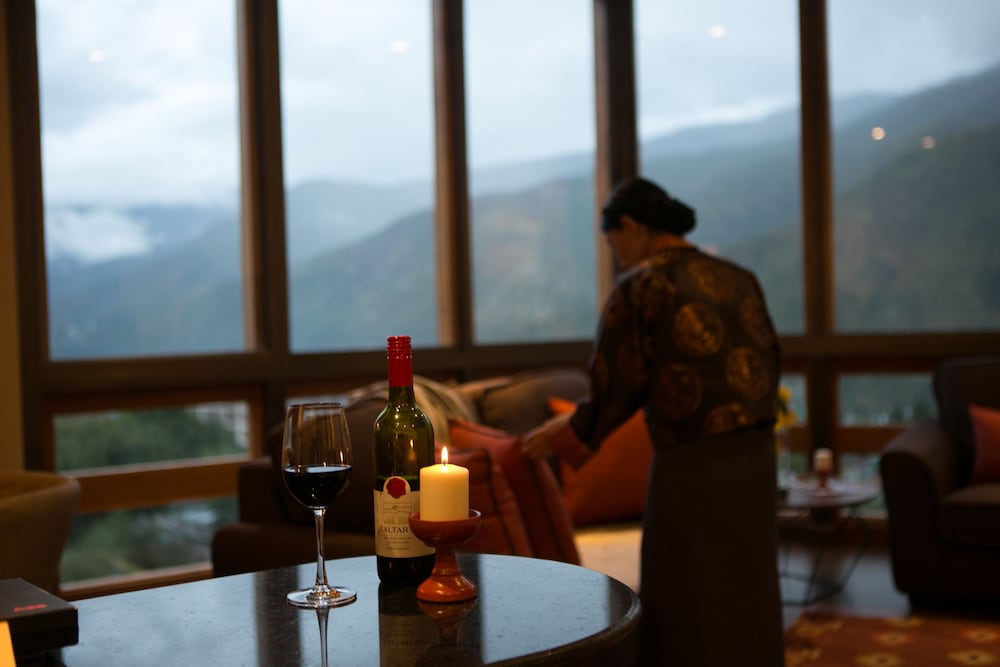 4★
 4★
 4★
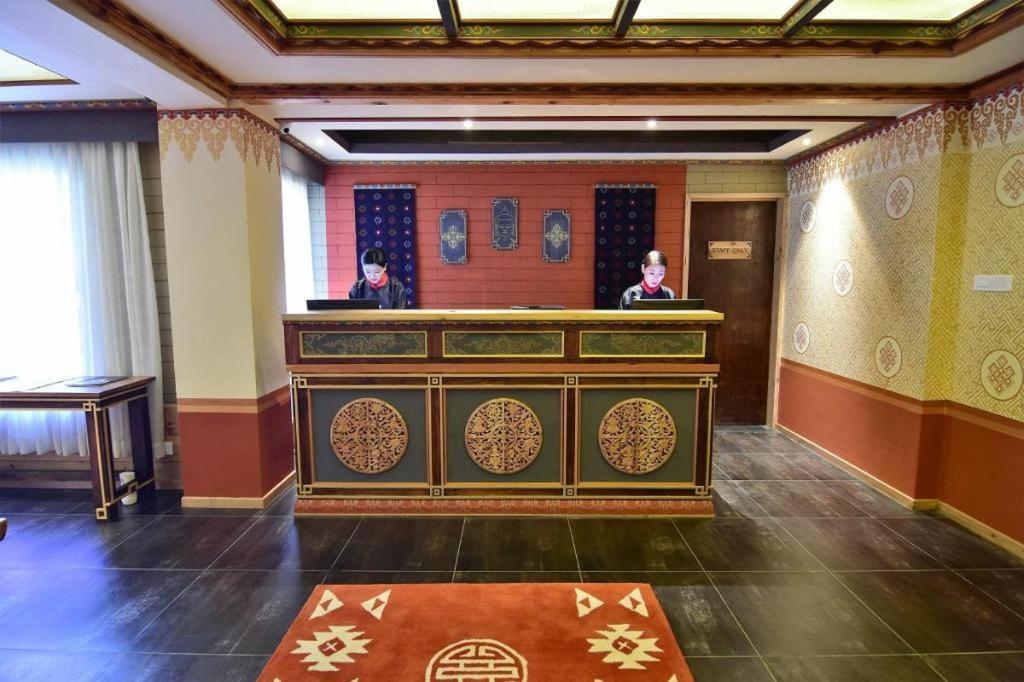
Hotel Valley Thimphu
≈ 3 km from Thimphu centre, Thimphu · 4-starGuest score 4.3/5 · 299 reviewsSee live price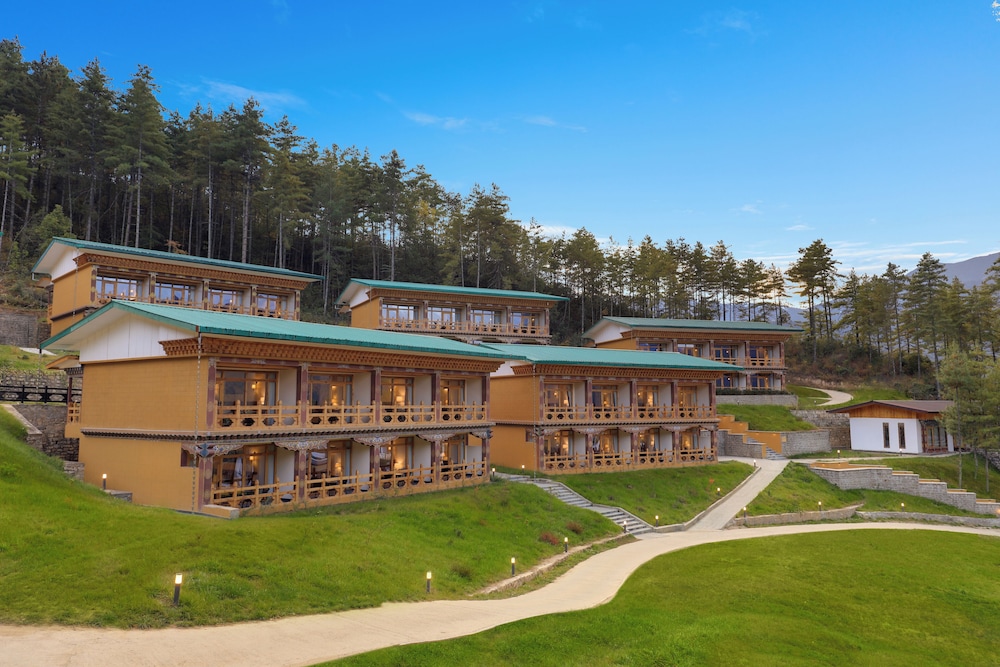 4★
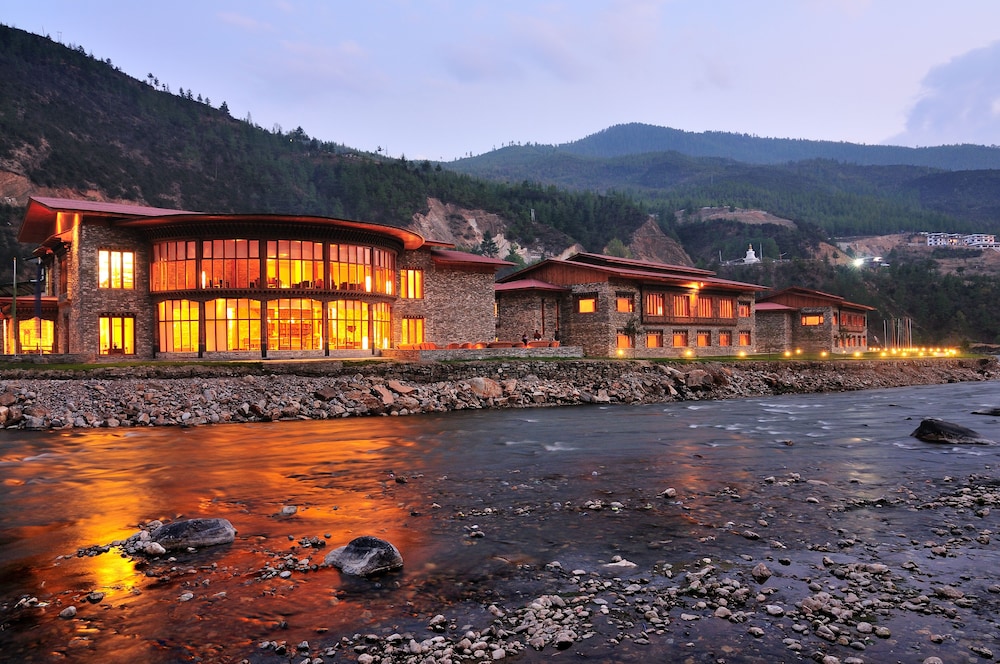
Lemon Tree Resort Thimphu Bhutan
≈ 4 km from Motithang, Thimphu · 4-starGuest score 4.2/5 · 131 reviewsSee live price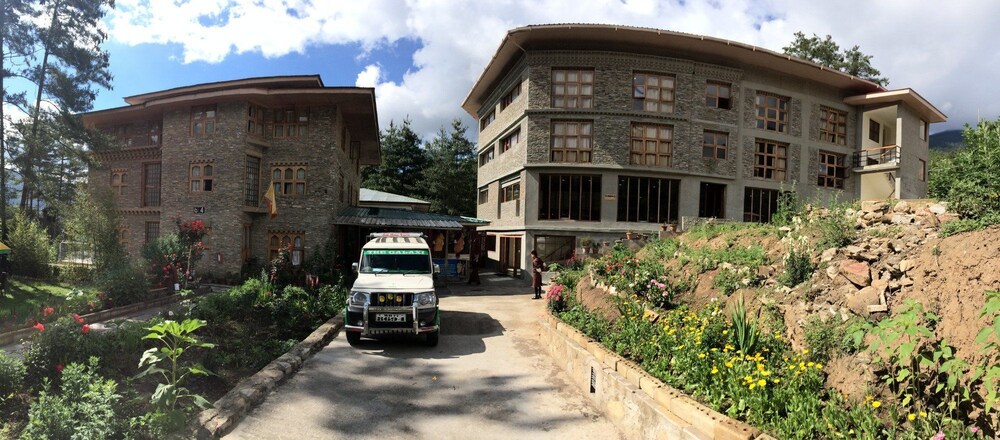 3★
FAQ
How do I get from Kolkata to Thimphu?
Fly from Kolkata to Paro International Airport, then travel by road to Thimphu. Allow about an hour in the air and an hour on the road. Non-stop flights are limited or seasonal, so check current schedules before fixing dates and confirm the return leg too.
Do travellers from Kolkata need a visa for Bhutan?
Foreign visitors normally need a visa and must pay the Sustainable Development Fee. Indian citizens do not need a visa but need an entry permit and pay the same fee. Rules and rates change, so check the Department of Immigration of Bhutan before booking.
When is the best time to visit Thimphu?
March to May and September to November are the best months, with mild days and clearer skies. Winter mornings are cold, and the summer monsoon brings rain and cloud. Book well ahead for spring and autumn, which are the busiest seasons.
Where should I stay in Thimphu?
Thimphu centre suits a first visit, with the dzong, the market and the permit offices within walking distance. Motithang is quieter and greener, close to the takin preserve and a short drive from the centre. Both are small areas, so distances stay short.
How many nights should I spend in Thimphu?
Three or four nights covers the capital at an easy pace, including a day out at Dochula Pass or Punakha. Add a night or two for Paro and the Tiger's Nest climb on the way home. Allow more time if you want to acclimatise slowly.
Can I reach Thimphu from Kolkata by train?
No. Bhutan has no railway, and the overland route crosses the border at Phuentsholing, a long drive from Kolkata followed by another long drive to the capital. Flying to Paro is the practical choice for a short trip.
Is Thimphu easy to walk around?
The centre is compact and most sights are within walking distance, though the hills make some streets steep. Taxis are easy to find for Motithang and the sights above town. Walking is the best way to see the chorten, the market and the dzong.
What food should I try in Thimphu?
Expect chillies with cheese, red rice, buckwheat noodles, momos and dried pork. Ema datshi, the chilli and cheese dish, appears on most menus. Vegetarian food is easy to find, and bottled water is the safer choice for drinking.
Are Indian rupees accepted in Thimphu?
The ngultrum is the local currency and is pegged to the Indian rupee, which is accepted in many places. Smaller notes are more useful in markets and for taxis. Cards work in larger hotels and shops. Check current exchange arrangements before travelling.
More from Kolkata
Sources: airline schedules, official tourism and immigration authorities. Times are approximate; check before you travel. Editorial review: 3 November 2026.