Kolkata travel guide: what to know before you book
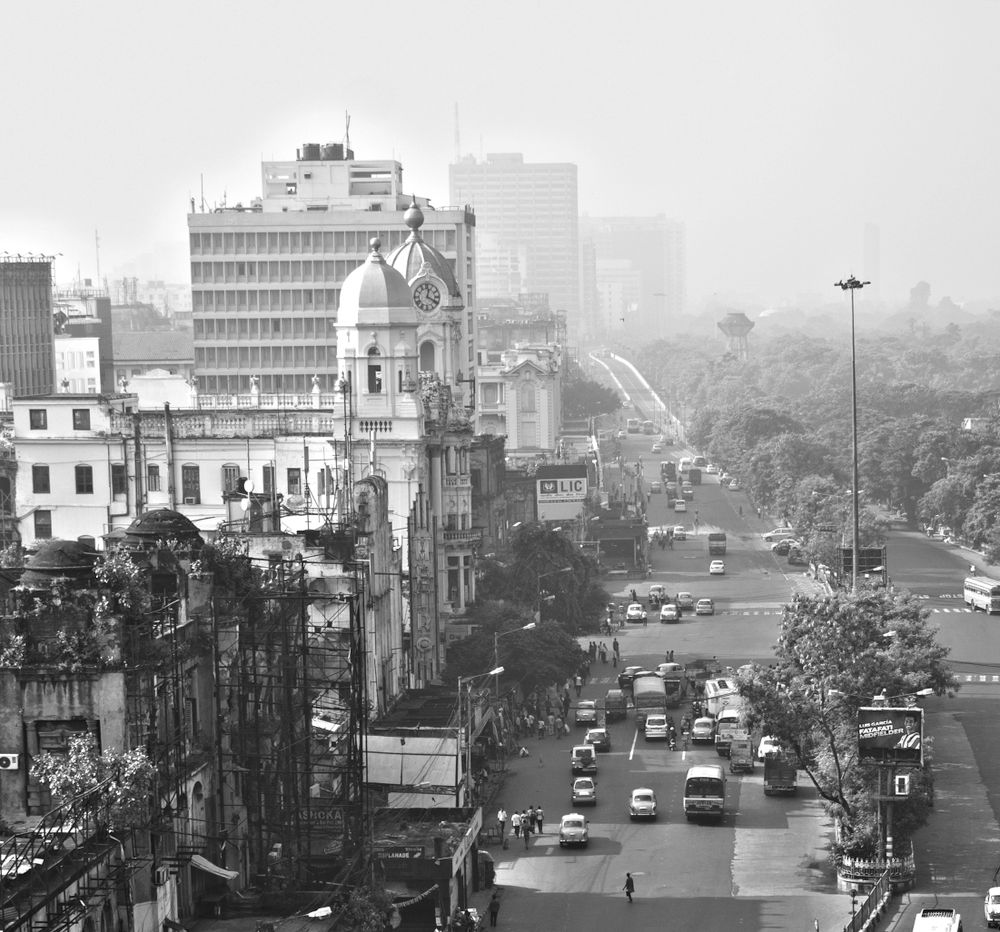
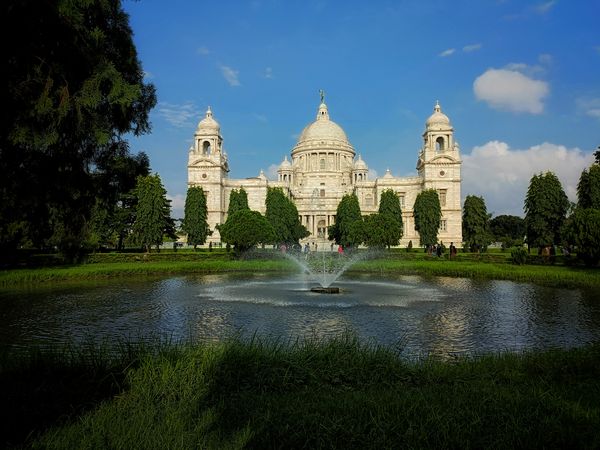
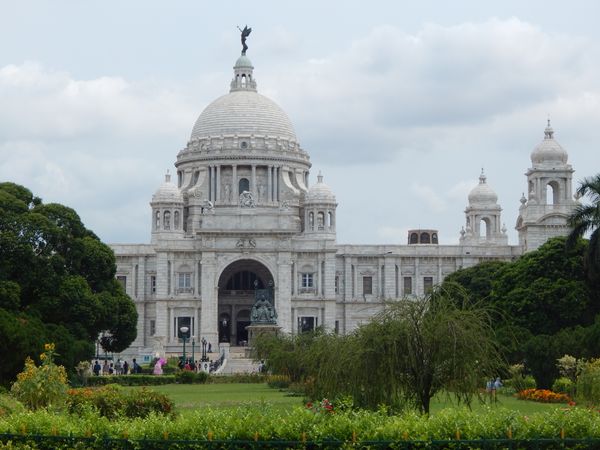
Kolkata — still widely called Calcutta — is the capital of West Bengal and the largest city in eastern India. It sits on the east bank of the Hooghly River, about 150 km upstream from the Bay of Bengal. It was the capital of British India until 1911, and that era left the Maidan, Victoria Memorial, BBD Bagh and the Writers’ Building. Bengali culture gives the city its other side: literature, cinema, music, football, festivals and a serious food culture.
For travellers, Kolkata is easier than its reputation suggests. India’s first metro has run here since 1984, the main sights cluster around the Maidan and North Kolkata, and hotels range from heritage guesthouses to international chains near the airport. Most visitors need three days; five lets you add the Sundarbans or Shantiniketan.
Where to stay in Kolkata
Choose your area by what you plan to do. Park Street and Esplanade are the classic first-timer bases: central, on metro Line 1 and close to the Maidan, the Indian Museum and New Market. Ballygunge and Gariahat in South Kolkata are quieter, residential and good for food. Salt Lake and New Town suit business trips and early flights, and Howrah works if you’re catching trains. Compare all nine in our guide to Kolkata’s areas.
Top things to do in Kolkata
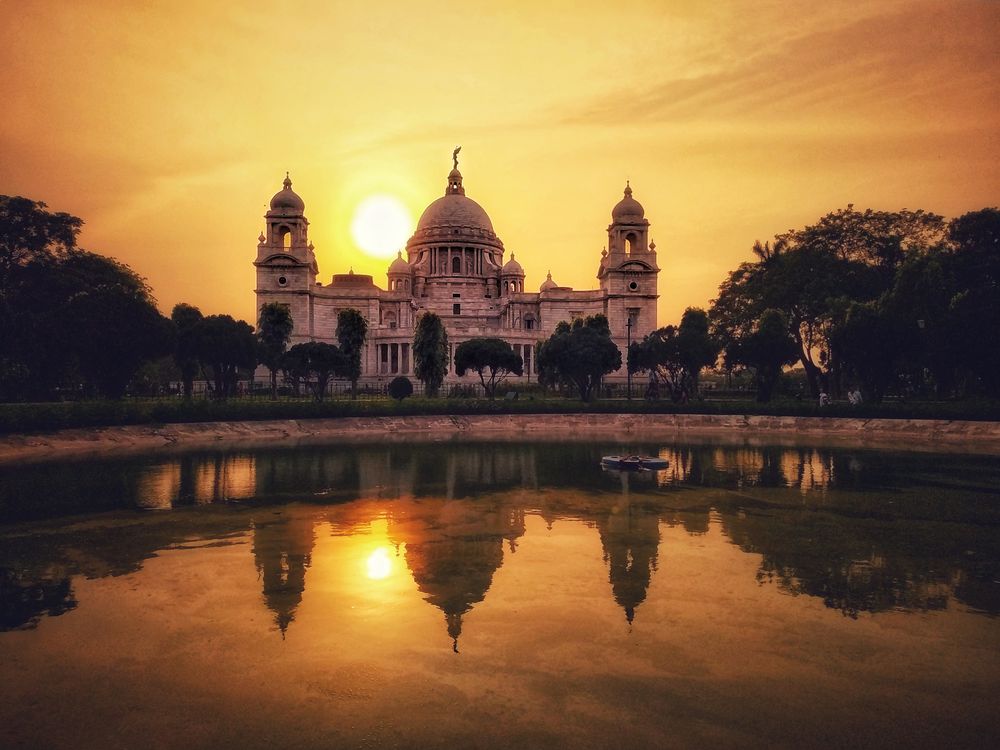
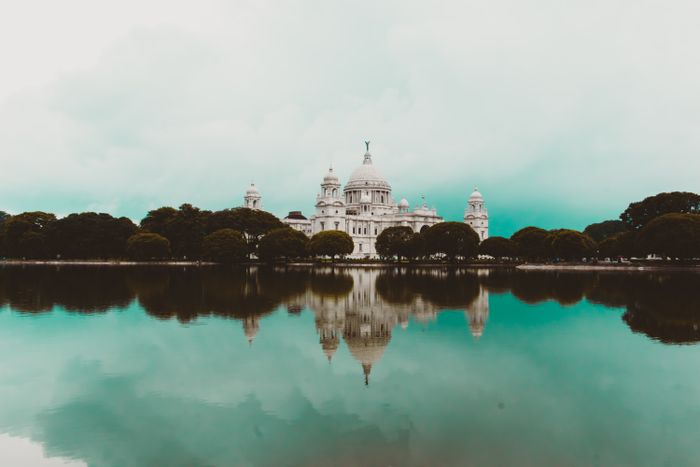
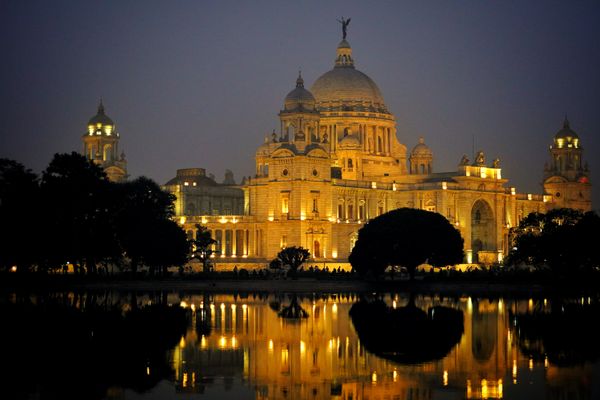
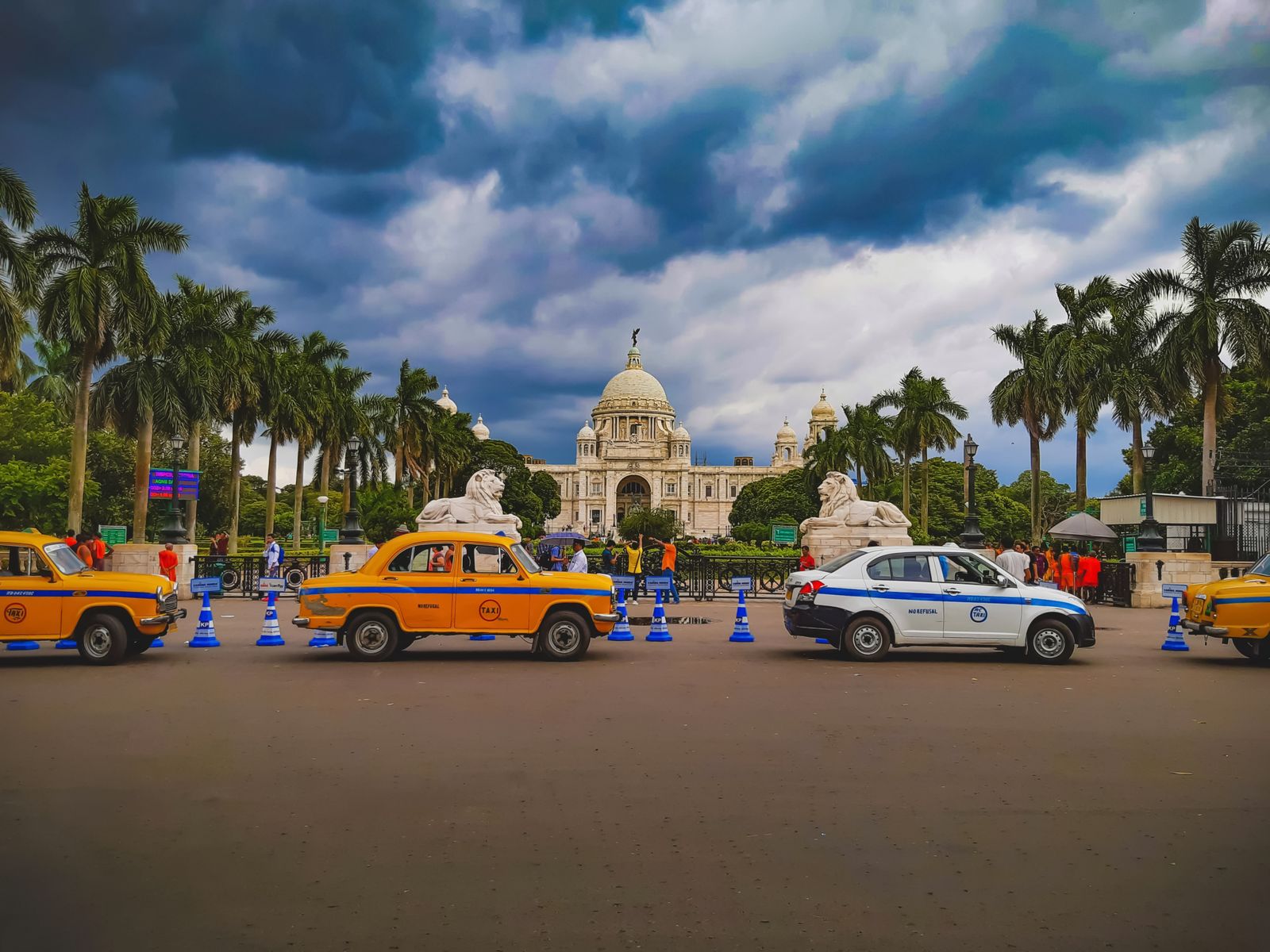
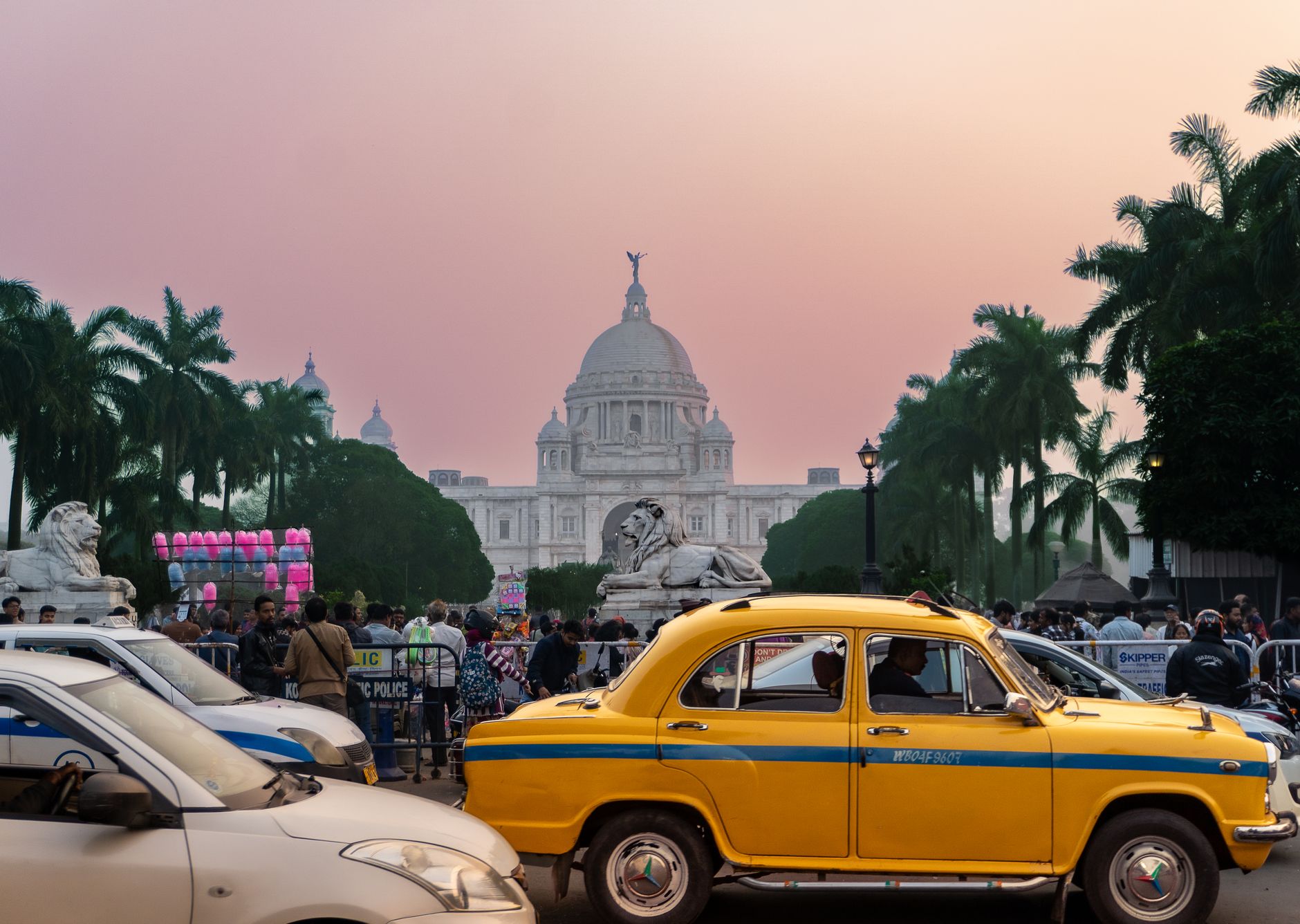
- Victoria Memorial — the white-marble museum on the Maidan, completed in 1921 (closed Mondays).
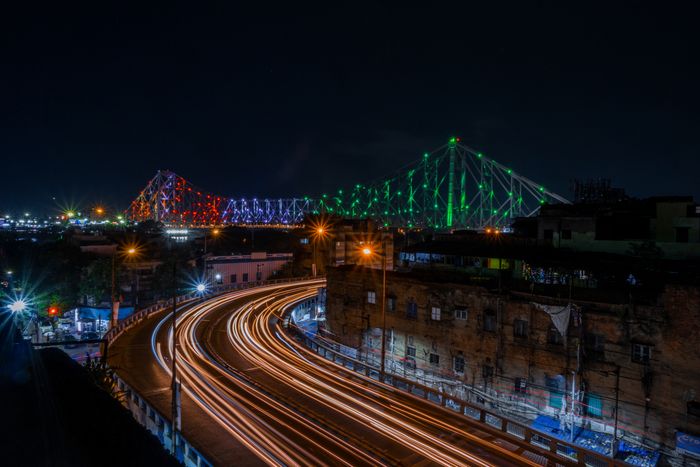
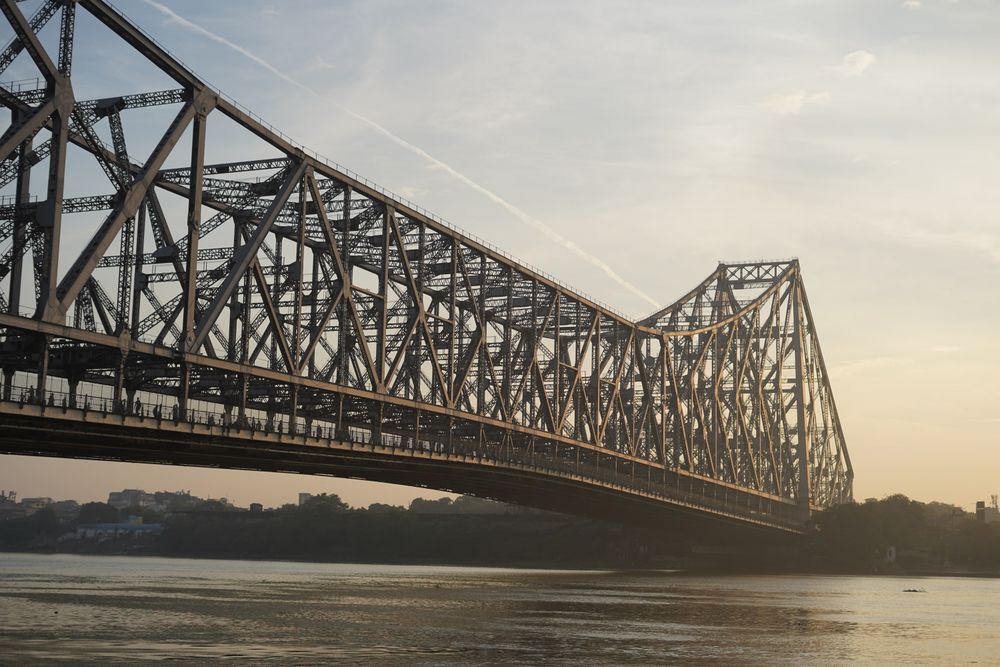
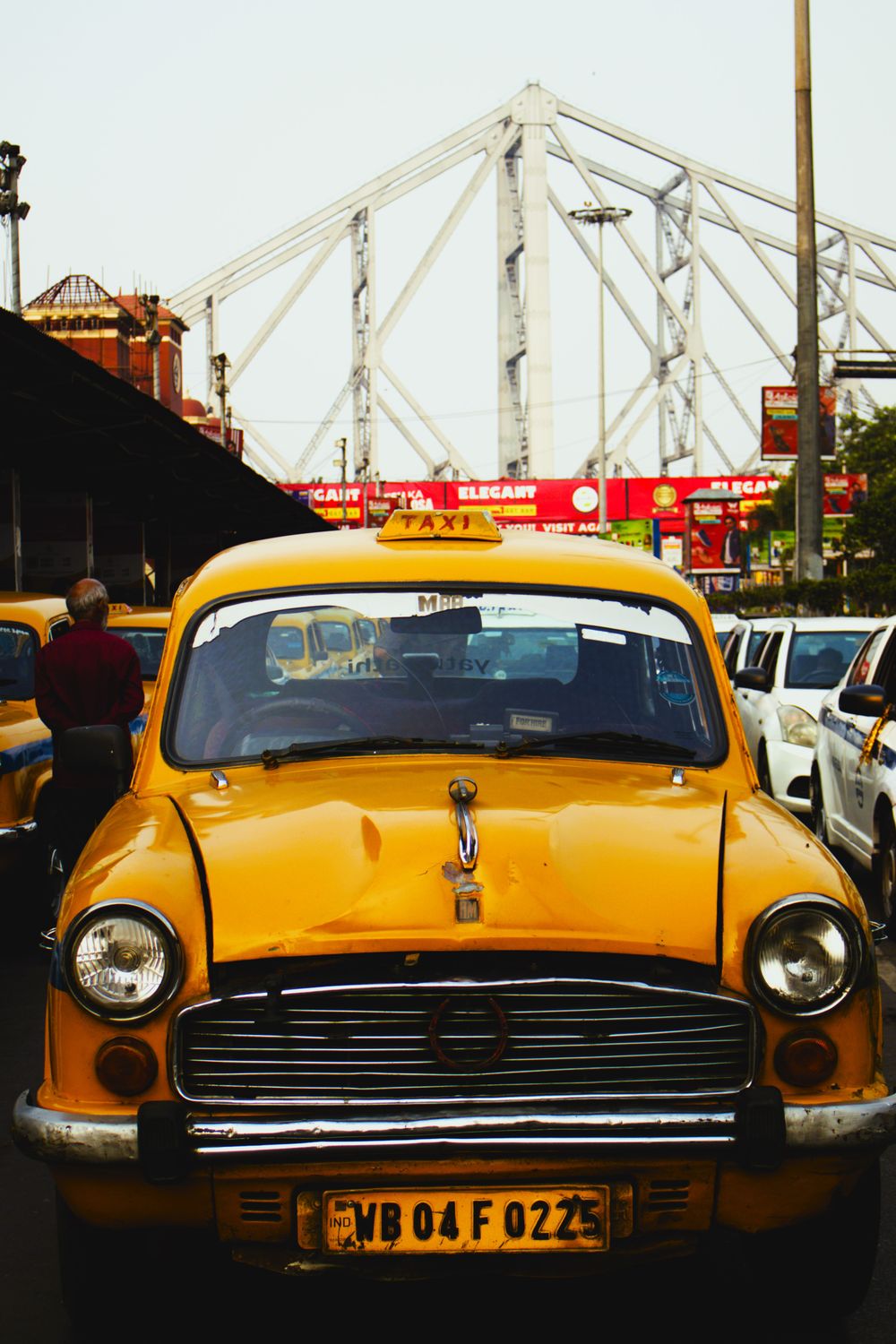
- Howrah Bridge and the Mallick Ghat flower market at sunrise.
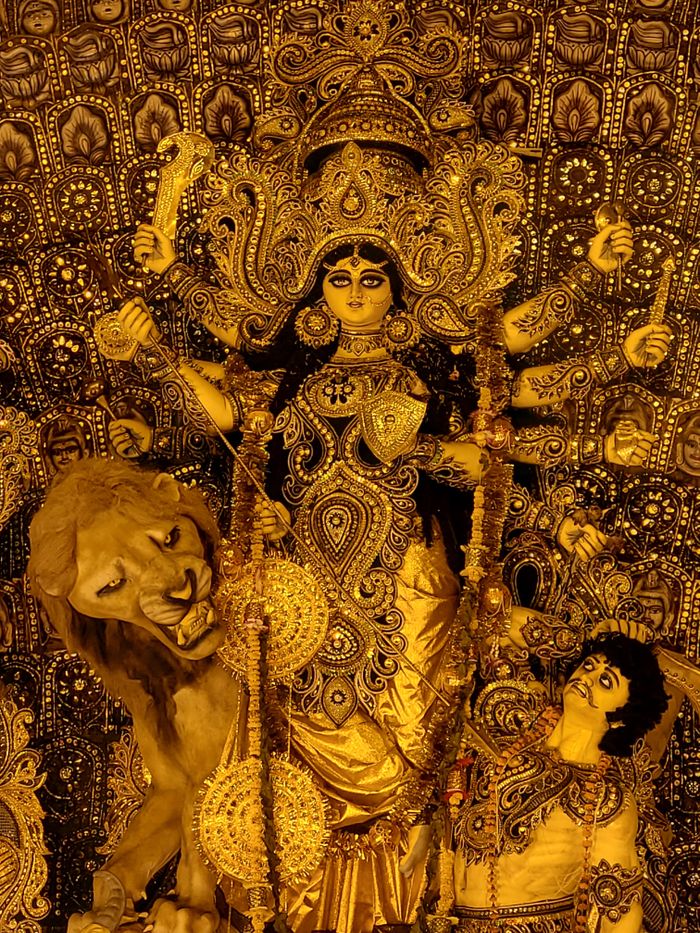
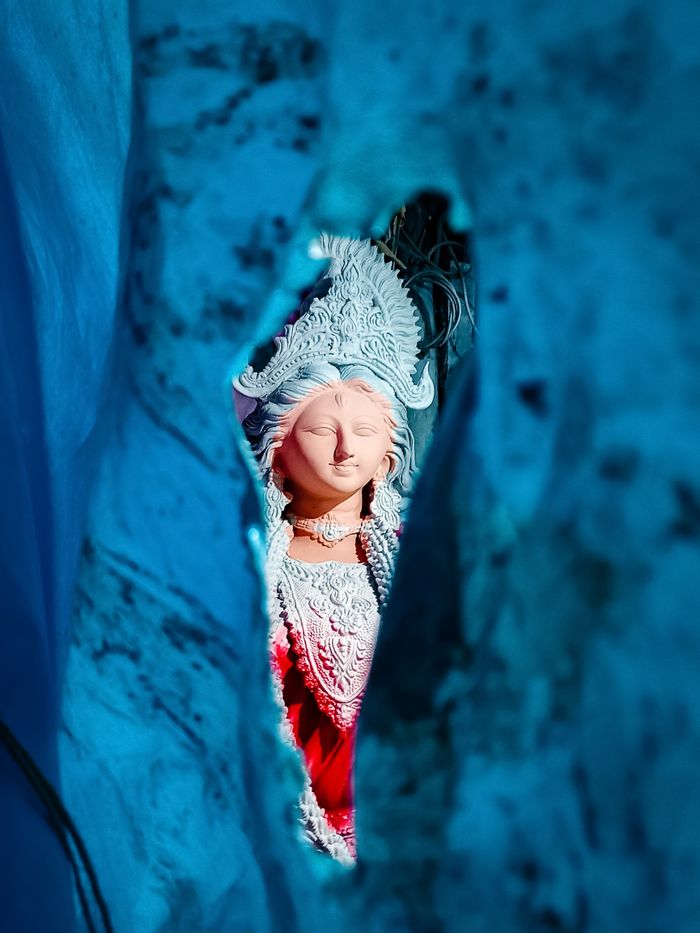
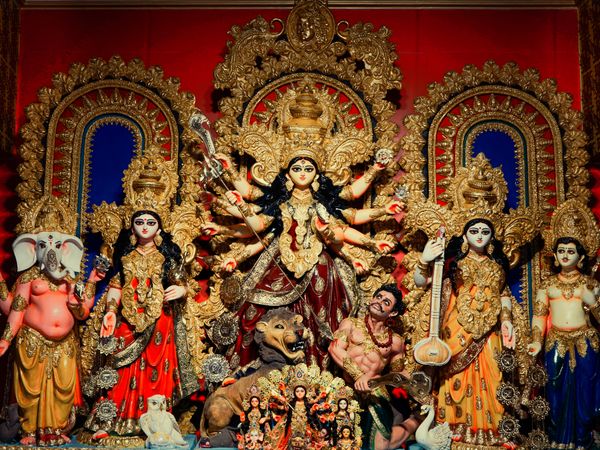
- Kumartuli, the potters’ quarter where Durga idols are made.
- Dakshineswar Kali Temple and a ferry across to Belur Math.
- College Street book market and the Indian Coffee House.
- Indian Museum, founded in 1814 and India’s oldest.
- Park Street for Flurys, Peter Cat and live music at night.
See the full list in things to do in Kolkata.
Best time to visit Kolkata
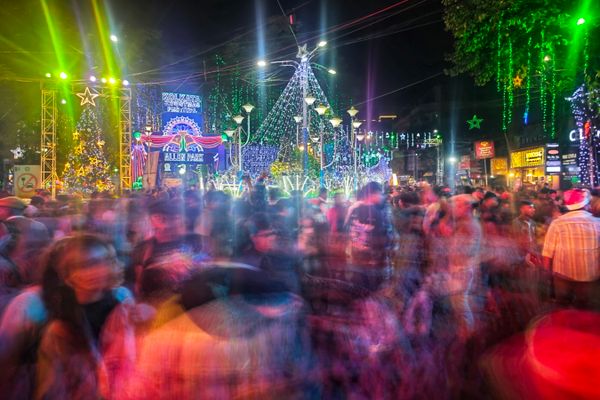
The most comfortable months are October to March, with dry days and daytime highs in the mid-20s °C in winter. Durga Puja usually falls in late September or October; UNESCO added it to its intangible cultural heritage list in 2021. December brings Christmas lights on Park Street. April and May are hot and humid, and the monsoon runs roughly from June to September. Read the month-by-month guide.
Getting to Kolkata
Netaji Subhas Chandra Bose International Airport (CCU) has domestic and international flights; allow about 45–75 minutes by road to Park Street. Long-distance trains arrive at Howrah and Sealdah stations. Most foreign visitors need an Indian e-Visa arranged before travel.
Is Kolkata expensive?
Kolkata is one of India’s better-value big cities. Street food and metro fares cost very little, mid-range restaurants are moderately priced, and hotel rates vary most with location and season — book early for Durga Puja and Christmas week, when central hotels fill first.
Three days in Kolkata
- Day 1 — the Maidan: Victoria Memorial and St Paul’s Cathedral in the morning, the Indian Museum after lunch, sunset at Prinsep Ghat, dinner on Park Street.
- Day 2 — the river and the north: sunrise on Howrah Bridge and the flower market, ferry to Kumartuli, Jorasanko Thakurbari (Tagore’s family home), then College Street and the Indian Coffee House.
- Day 3 — temples and markets: Dakshineswar and the ferry to Belur Math, Kalighat in the afternoon, shopping at New Market or Gariahat, and an Indian-Chinese dinner in Tangra.
Practical tips
- Money: cards and UPI work in hotels, malls and most restaurants; carry cash for taxis, markets and street food.
- Dress: cover shoulders and knees at temples and Mother House; shoes come off at most shrines.
- Language: Bengali is spoken everywhere, and English and Hindi are widely understood. “Dhonnobad” means thank you.
- Water: drink bottled or filtered water.
- Traffic: use the metro for long north–south trips, especially at rush hour.
Kolkata culture in brief
Kolkata is linked to several Nobel laureates, among them Rabindranath Tagore, C. V. Raman, Mother Teresa, Amartya Sen and Abhijit Banerjee, and to the filmmaker Satyajit Ray. The city loves adda, long unhurried conversation over tea, and follows football with passion through its historic clubs Mohun Bagan and East Bengal. The Kolkata Book Fair, held each winter, is one of the largest in the world by attendance, and the city’s theatre, music and art scenes are among India’s liveliest.
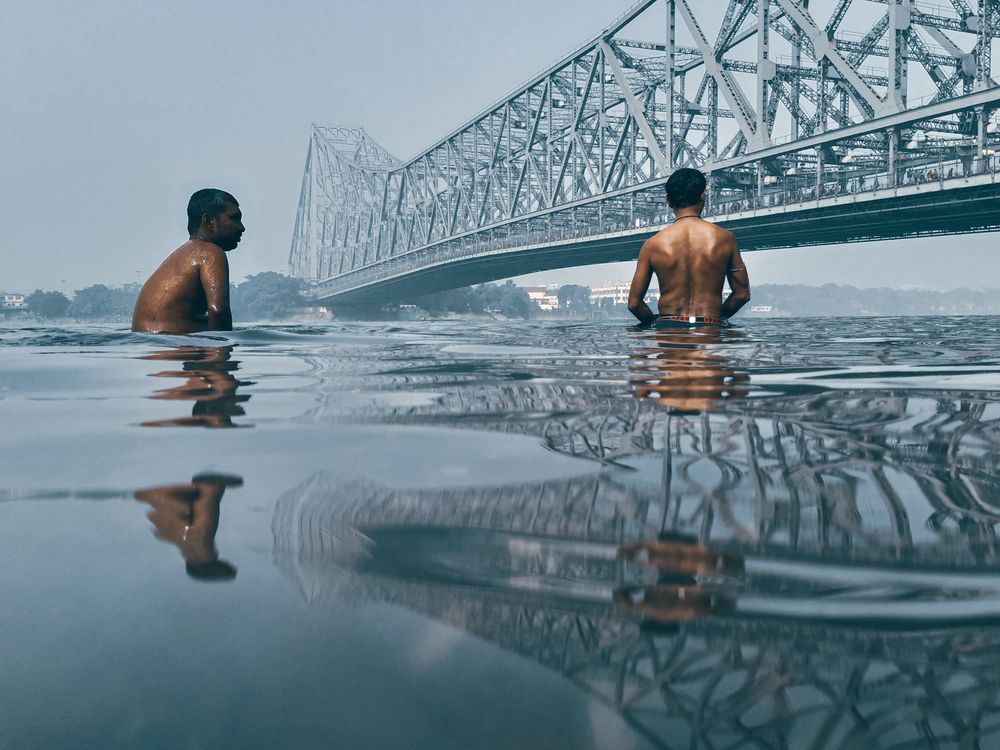 Howrah Bridge, opened 1943