



History and architecture
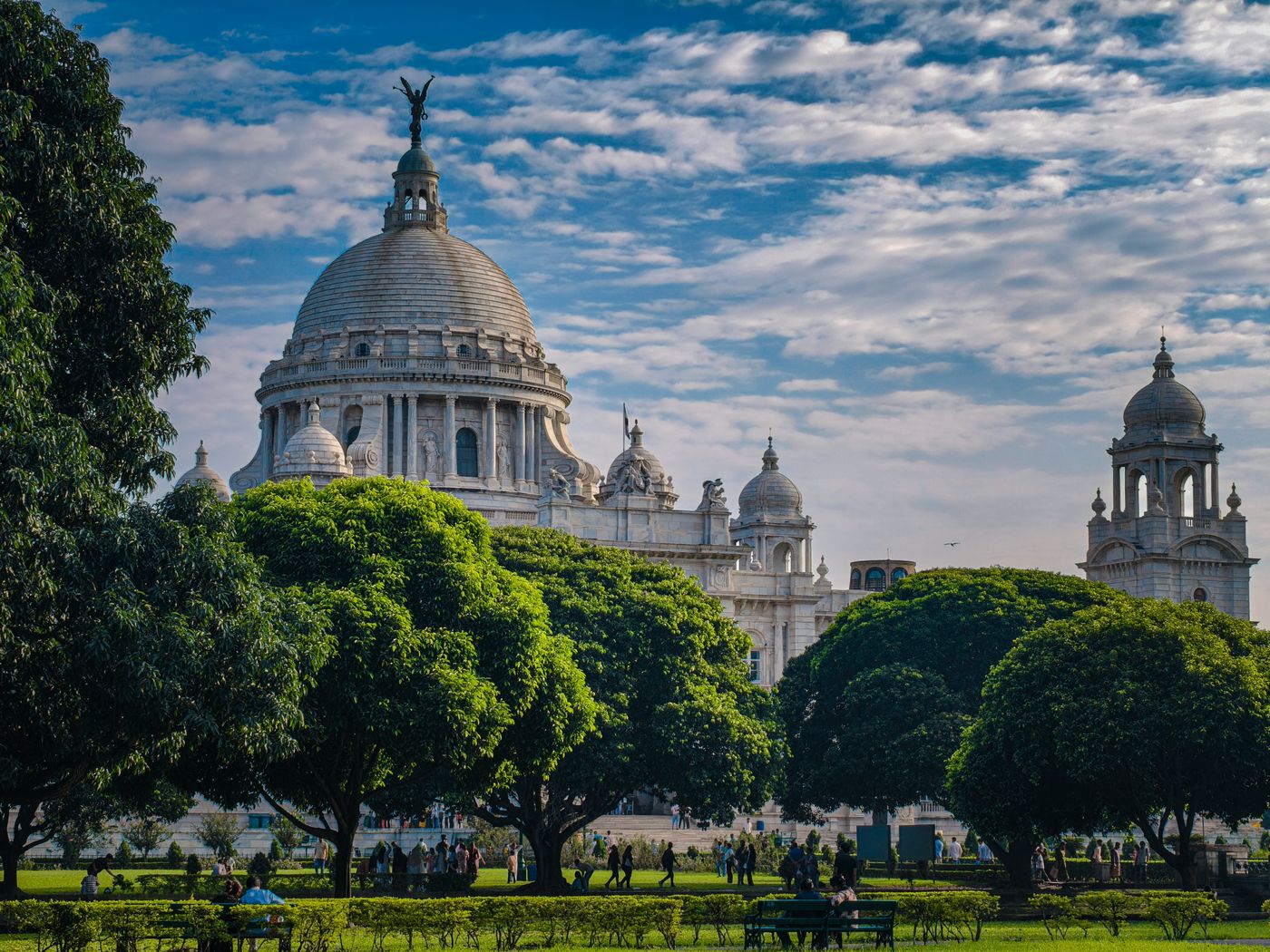
- Victoria Memorial — white Makrana marble on the Maidan, completed in 1921; museum and gardens.
- Indian Museum — founded in 1814, India’s oldest museum, with Gandhara sculpture and the Bharhut railings.
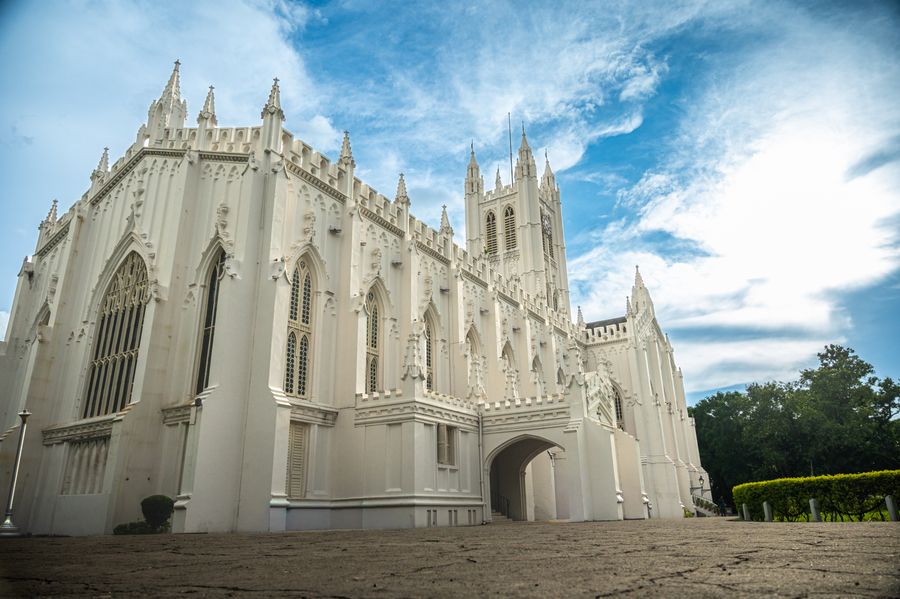
- St Paul’s Cathedral — Gothic Revival cathedral beside Victoria Memorial, consecrated in 1847.
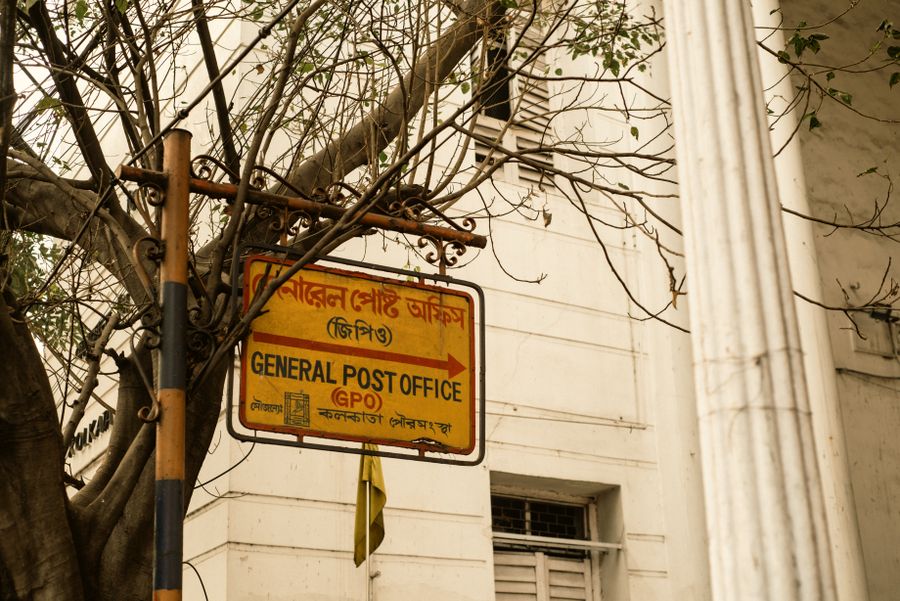
- BBD Bagh walk — Writers’ Building, the GPO and the High Court around Lal Dighi.
- South Park Street Cemetery — East India Company-era tombs from 1767 onward.
The river
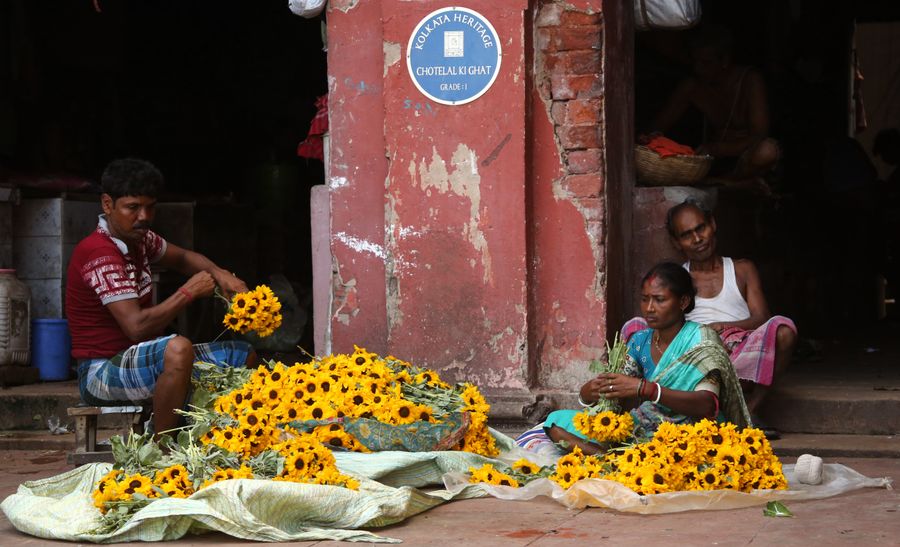
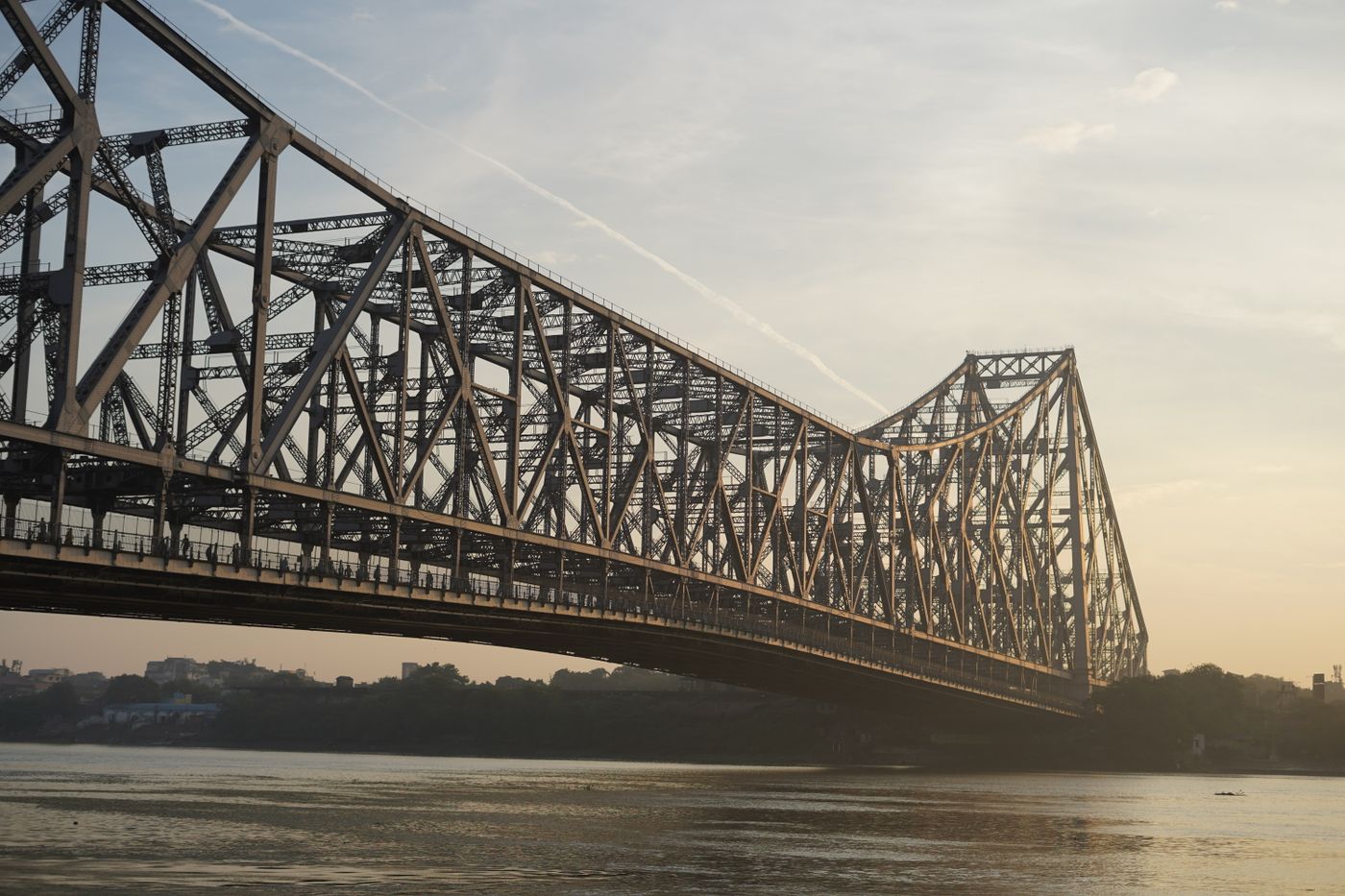
- Howrah Bridge at sunrise — then Mallick Ghat flower market below the Kolkata end of the bridge.
- Dakshineswar and Belur Math by ferry — the Kali temple associated with Ramakrishna, then across the Hooghly to the Ramakrishna Mission headquarters.
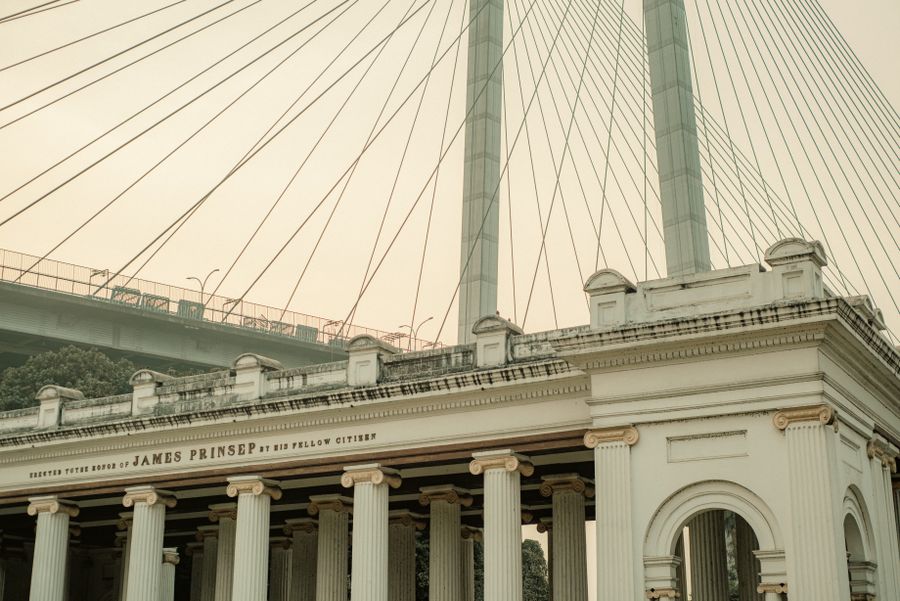
- Prinsep Ghat at sunset — a neo-classical pavilion under Vidyasagar Setu, with short boat rides.
Culture and faith
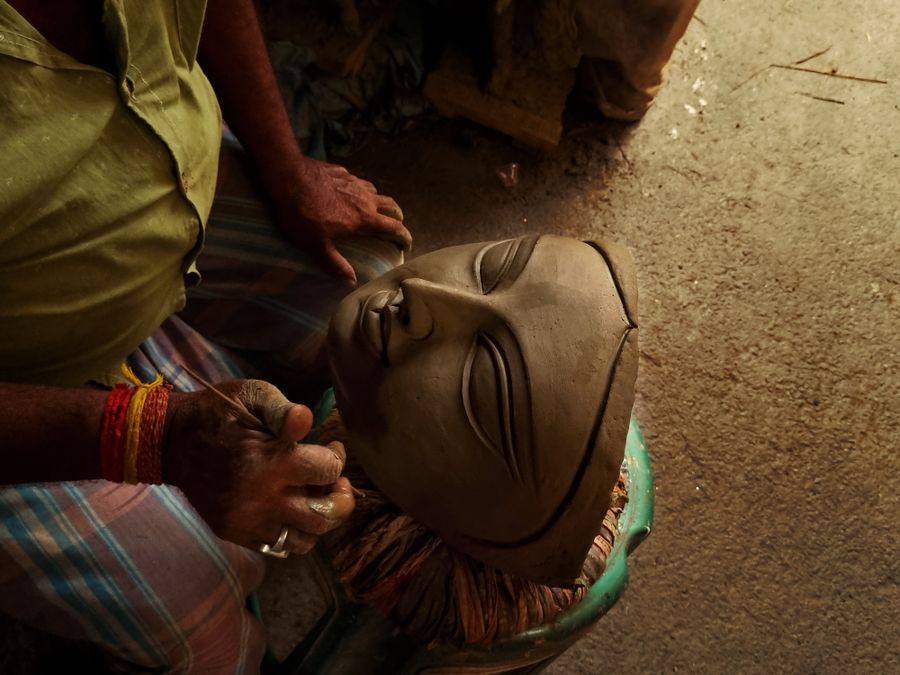
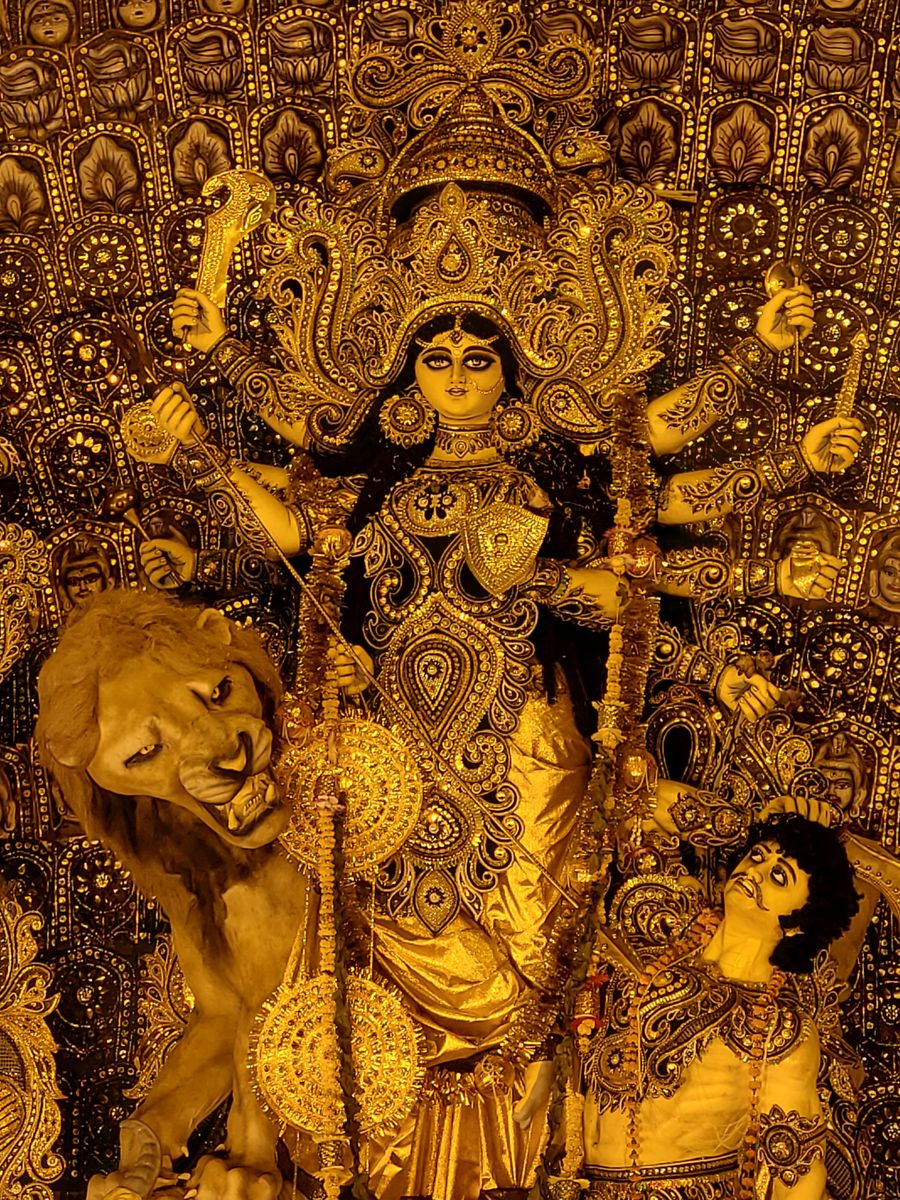
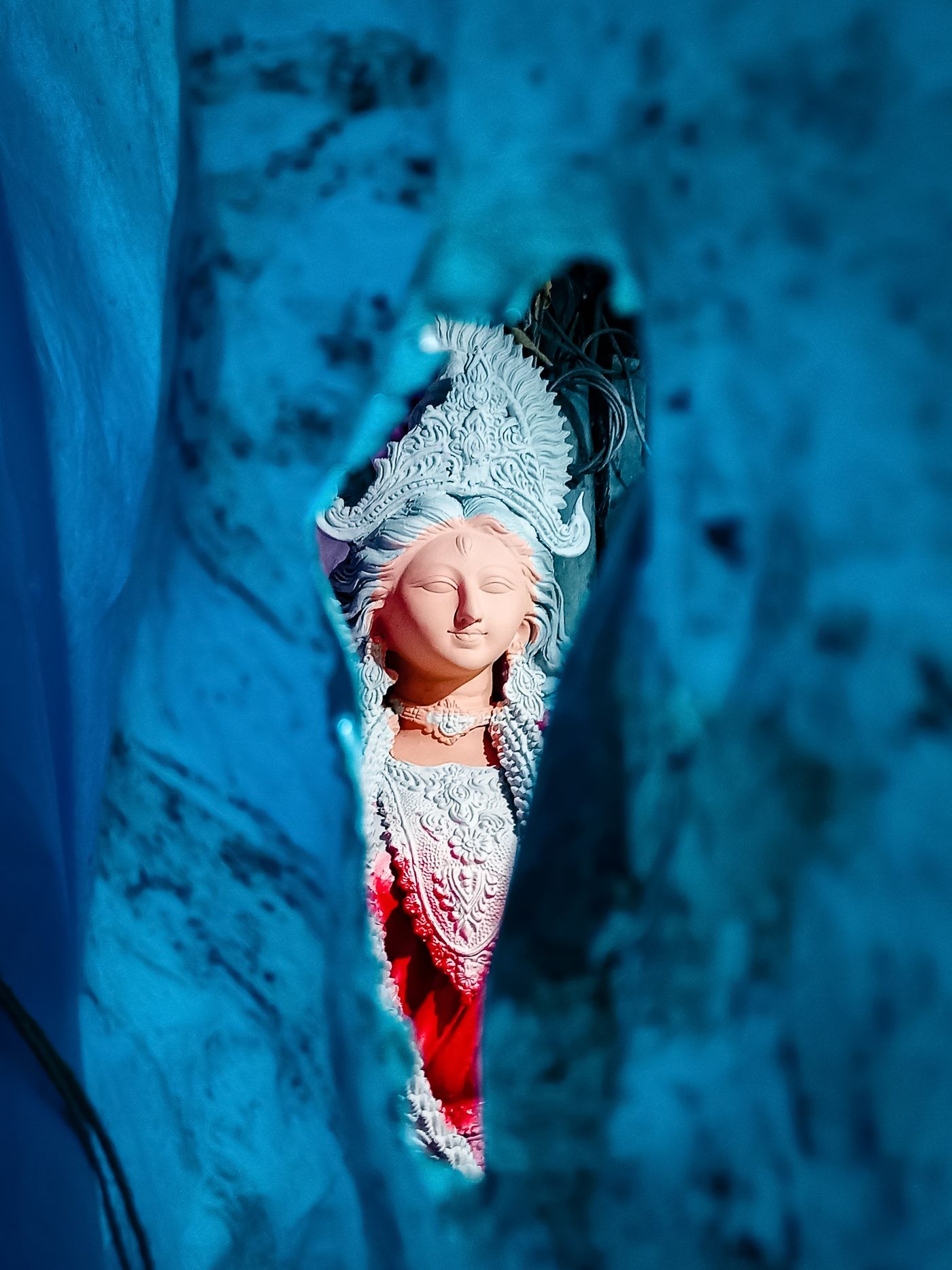
- Kumartuli — the potters’ quarter where Durga idols are made; busiest from July to September.
- Jorasanko Thakurbari — Rabindranath Tagore’s family home, now a museum.
- Kalighat Temple — one of Bengal’s most important Kali temples; go early.
- Mother House — Missionaries of Charity headquarters and Mother Teresa’s tomb.
Markets, books and food
- College Street and the Indian Coffee House — second-hand book stalls, then coffee in the high-ceilinged hall upstairs.
- New Market — the Victorian market hall, opened in 1874, for spices, textiles and bakeries.
- A food walk — phuchka, kathi rolls and mishti; Park Street for old-school restaurants (see Park Street area guide).
The best things to do in Kolkata, in detail
Victoria Memorial
Built between 1906 and 1921 in white Makrana marble, the memorial combines British classical design with Mughal domes and sits in 64 acres of gardens on the Maidan. Inside, the galleries trace Calcutta from East India Company trading post to imperial capital, with paintings by Thomas and William Daniell. Arrive mid-afternoon, tour the galleries while it is hot and walk the gardens at golden hour. The museum is closed on Mondays. Read our Victoria Memorial visitor guide.
Indian Museum
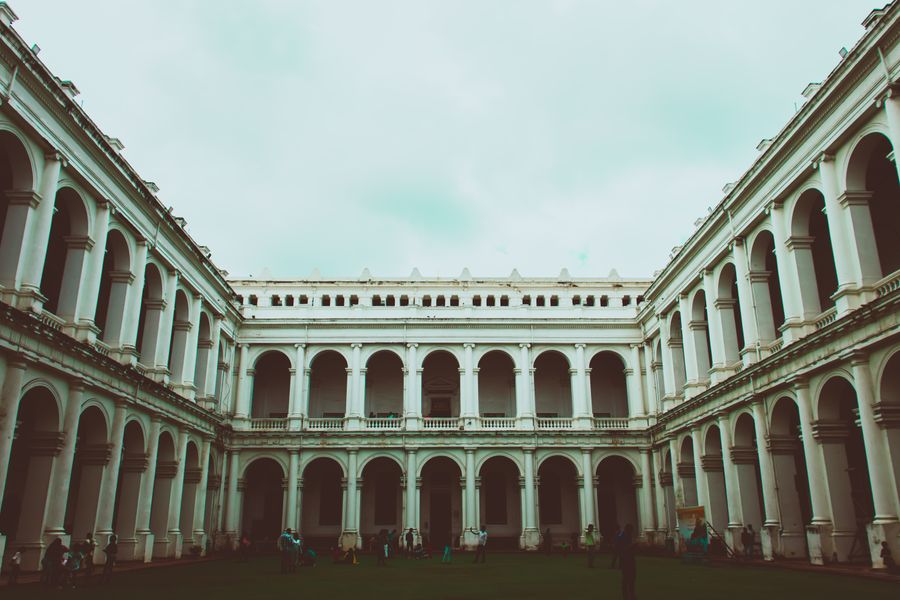
Founded in 1814 by the Asiatic Society, this is the oldest museum in India and one of the largest. Highlights include the red sandstone gateway and railings from the Bharhut stupa, Gandhara Buddhist sculpture, Mughal miniatures and an Egyptian mummy. The building on Chowringhee is a short walk from Park Street. Allow two hours, and check opening days before you go.
St Paul’s Cathedral
Consecrated in 1847, St Paul’s was the first cathedral built in the British Empire outside Britain after the Reformation. Its Indo-Gothic tower was rebuilt after earthquake damage, and inside there is a stained-glass west window associated with Edward Burne-Jones. It stands beside Victoria Memorial, so the two pair naturally.
BBD Bagh heritage walk
Named after three young revolutionaries, Benoy, Badal and Dinesh, BBD Bagh (formerly Dalhousie Square) is the administrative heart of colonial Calcutta. Around Lal Dighi tank you will see the red-brick Writers’ Building, the domed General Post Office, the Gothic High Court and St John’s Church, where Job Charnock is buried. Walk it on a weekend morning when offices are closed and the streets are quieter.
South Park Street Cemetery
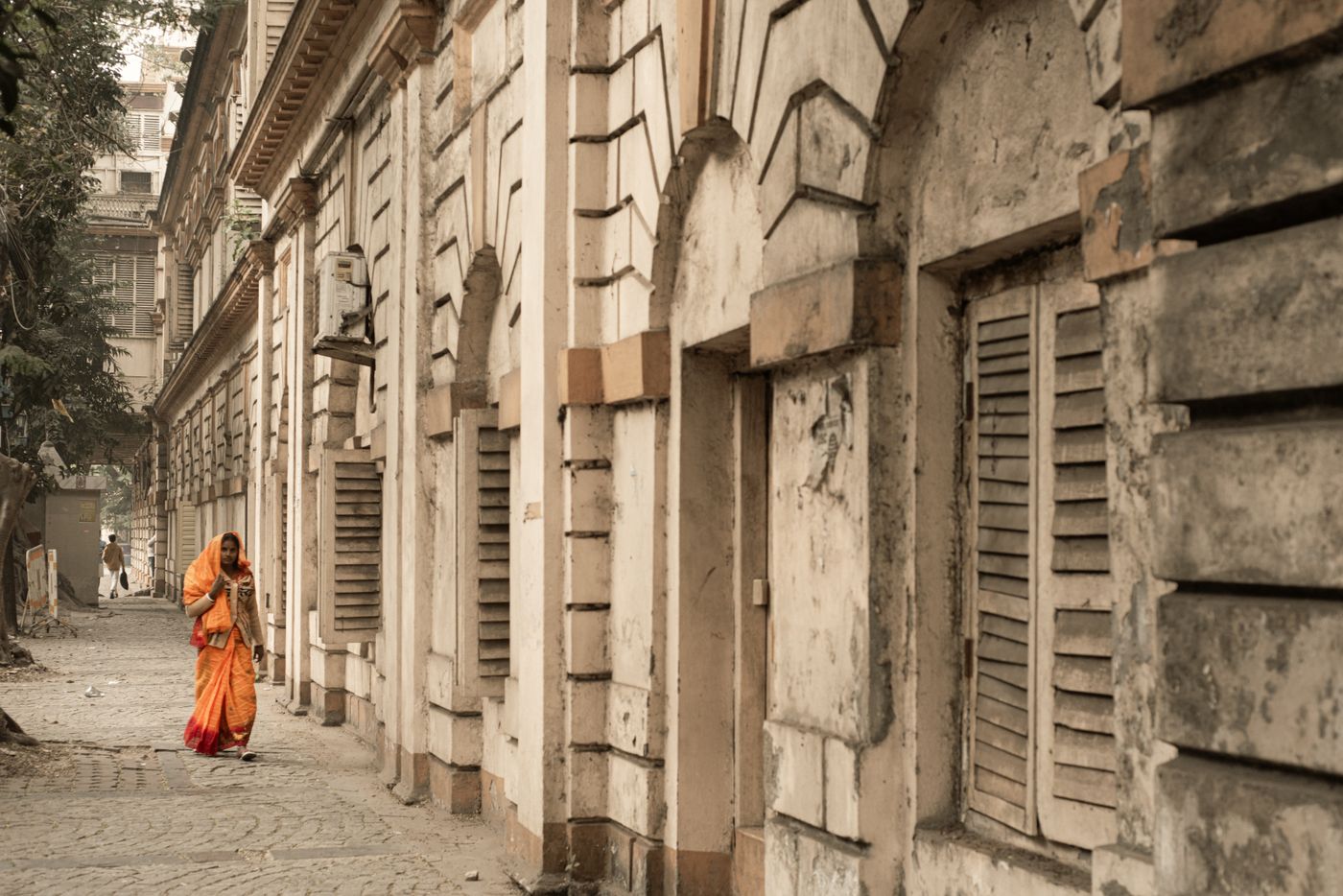
Opened in 1767 and closed to new burials by 1790, the cemetery is a rare survival of Georgian Calcutta: obelisks, pyramids and domed mausoleums under old trees. Among those buried here is Sir William Jones, founder of the Asiatic Society. There is a small entry fee, and photography is permitted with care.
Howrah Bridge and Mallick Ghat
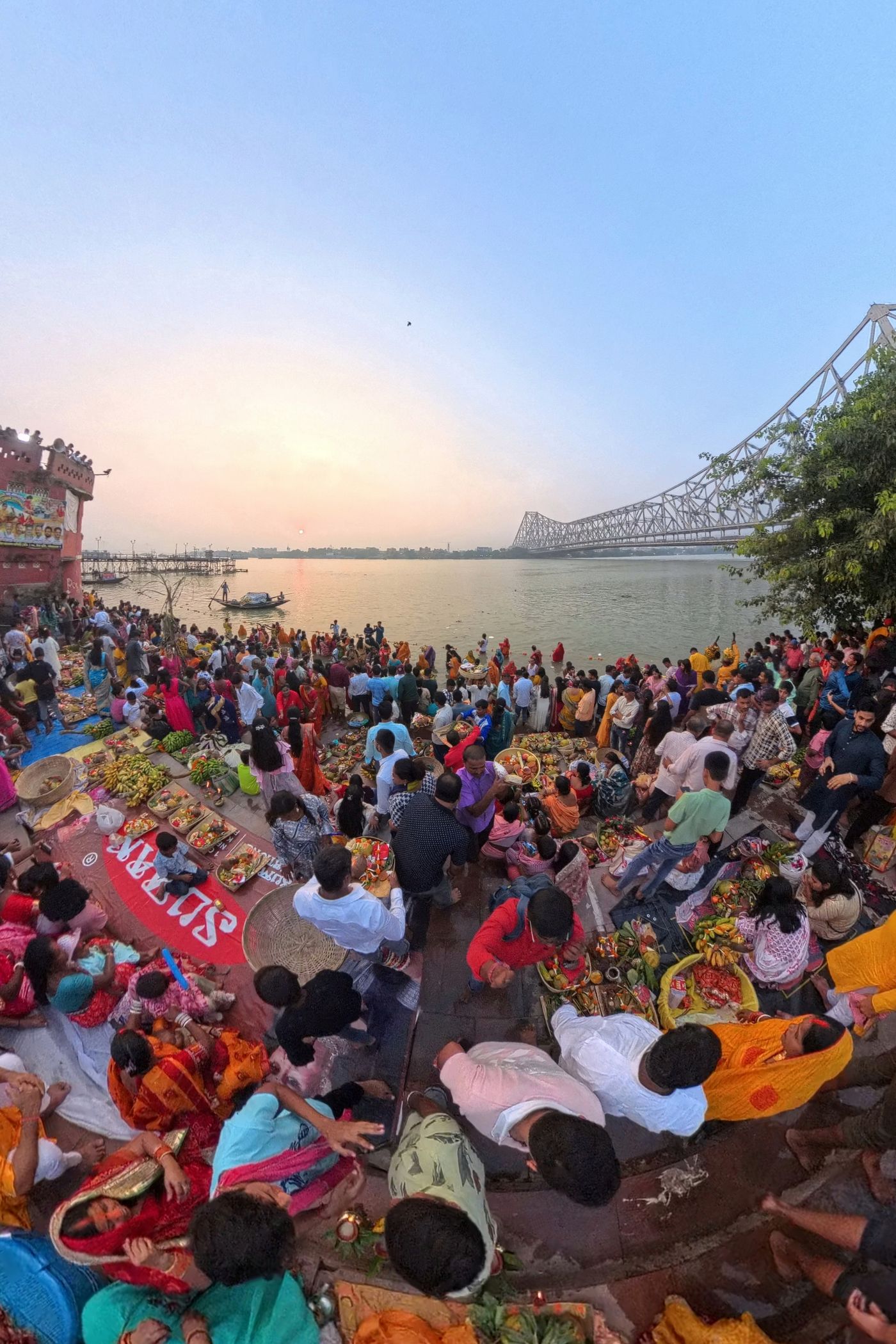
Opened to traffic in 1943, Howrah Bridge (officially Rabindra Setu) is a cantilever bridge built without nuts and bolts, held together by rivets. Walk across at sunrise, then drop into Mallick Ghat Flower Market beneath the Kolkata end, where marigolds are sold by the sackful. Photography of the bridge from the deck can be restricted, so shoot from the ghats or a ferry.
Dakshineswar and Belur Math
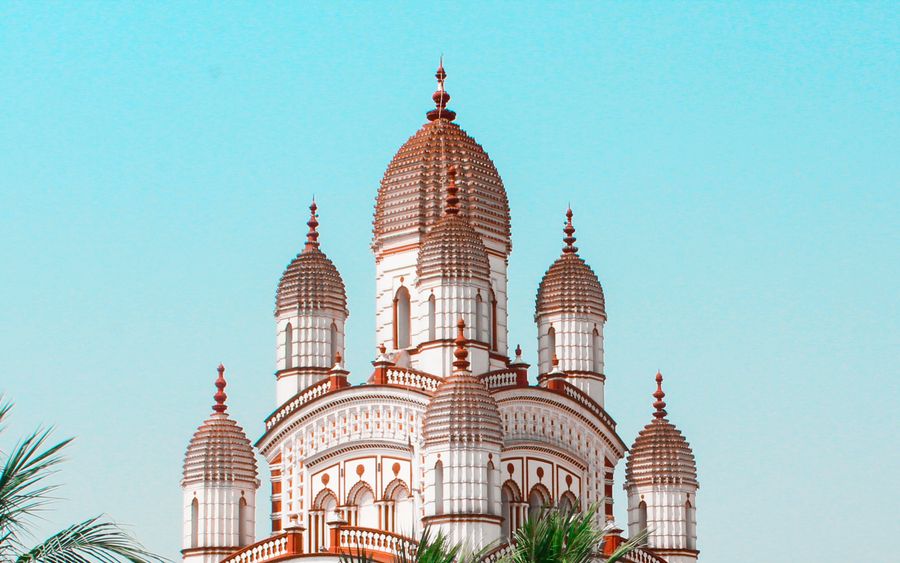
Dakshineswar Kali Temple, completed in 1855 by Rani Rashmoni, is closely associated with the mystic Ramakrishna. From the ghat behind the temple, a short ferry crosses the Hooghly to Belur Math, headquarters of the Ramakrishna Mission founded by Swami Vivekananda, whose main temple blends Hindu, Islamic and Christian architectural motifs. Go in the morning, dress modestly and check temple timings.
Prinsep Ghat
This Palladian pavilion, built in 1843 in memory of the scholar James Prinsep, sits by the river under the cables of Vidyasagar Setu. In the evening, couples, families and snack sellers gather along the promenade, and boatmen offer short rides on the Hooghly. It is one of the best sunset spots in the city.
Kumartuli
In this North Kolkata potters’ quarter, artisans shape bamboo and straw frames into clay idols using river clay. The workshops are busiest from July to September before Durga Puja, but there is work year-round for other festivals. Walk respectfully, keep out of the artisans’ way and always ask before photographing.
Jorasanko Thakurbari
The ancestral home of the Tagore family, where Rabindranath Tagore was born in 1861 and died in 1941, is now part of Rabindra Bharati University and houses a museum of the family’s life, art and writing. It is a calm stop in busy North Kolkata. Check opening days in advance.
Kalighat Temple
One of Bengal’s most important shrines to the goddess Kali, Kalighat has long queues and many touts. Go early, use the official queue and politely decline anyone offering a fast-track for money. Nearby is Nirmal Hriday, Mother Teresa’s first home for the dying, opened in 1952.
Mother House
The headquarters of the Missionaries of Charity on AJC Bose Road holds Mother Teresa’s tomb, a small museum and her simple room. Visitors are welcome at set hours; dress modestly, keep quiet and do not photograph the sisters at prayer.
College Street and the Indian Coffee House
Boi Para stretches for over a kilometre of bookstalls selling new, second-hand and academic titles in Bengali and English. After browsing, climb to the Indian Coffee House, a high-ceilinged hall where writers, filmmakers and students have argued over coffee and cutlets for decades.
New Market
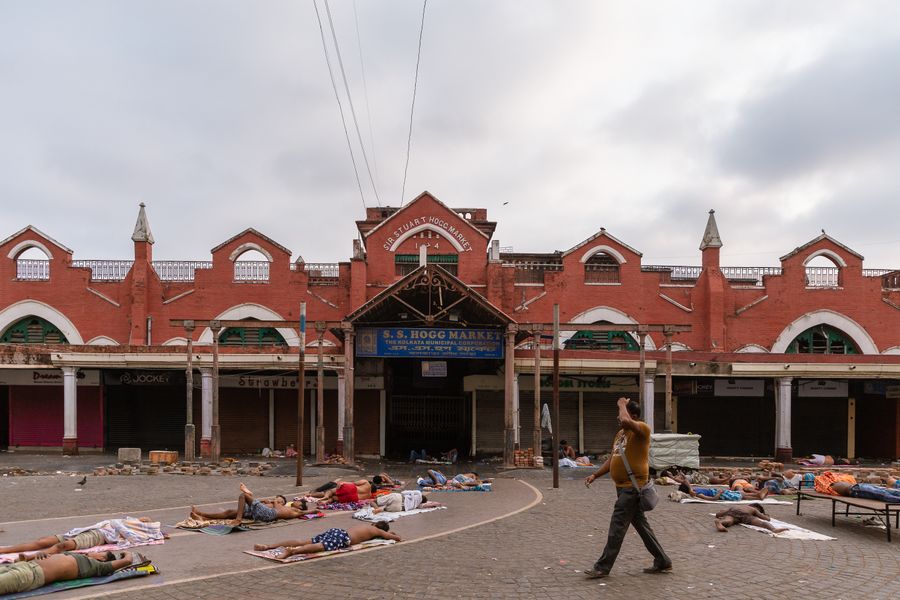
Opened in 1874 as Hogg Market, New Market still has its Victorian clock tower and hundreds of stalls selling spices, textiles, leather and household goods. Do not miss Nahoum’s, a Jewish bakery trading since the early twentieth century. Bargain politely, and be ready for persistent porters offering to guide you.
A Kolkata food walk
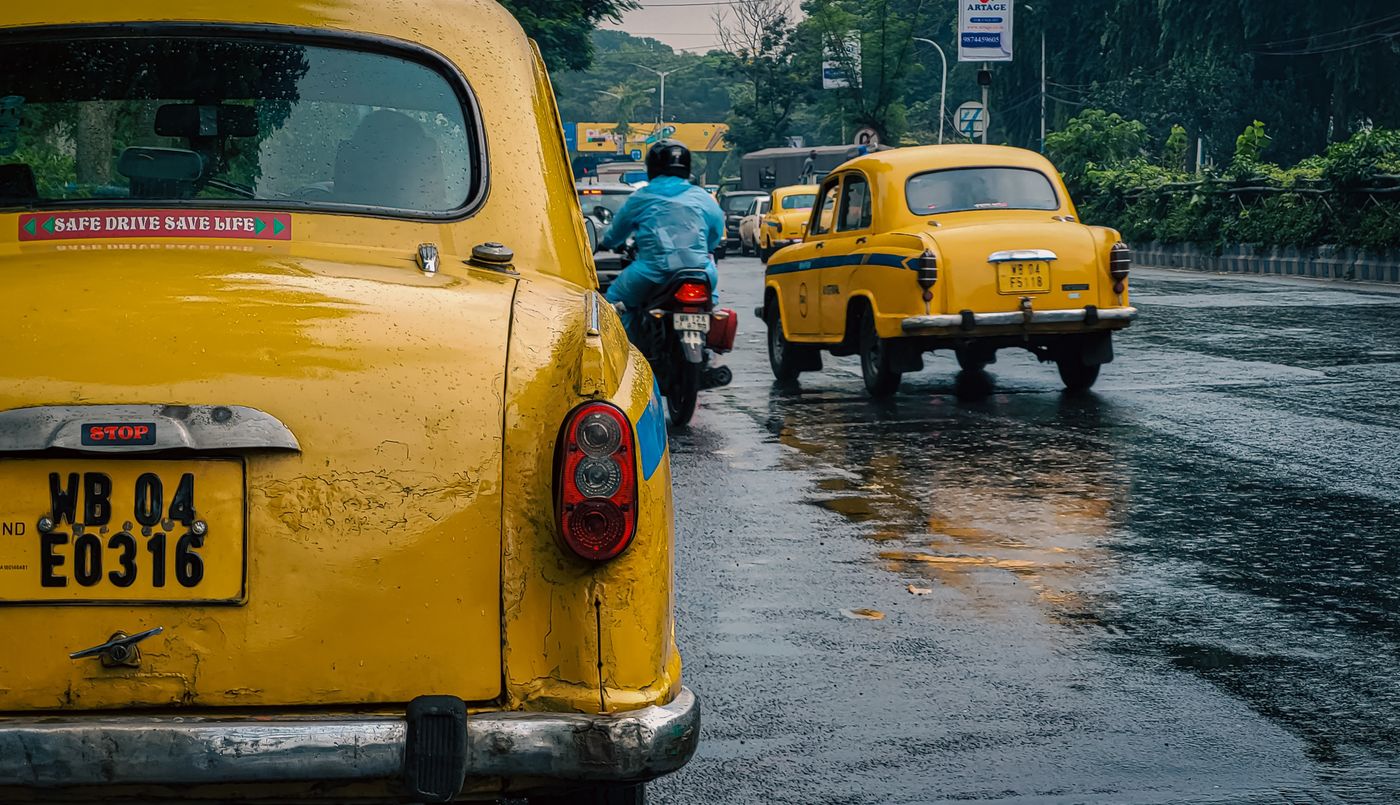
Start with phuchka from a street vendor, try a kathi roll near New Market, have Kolkata biryani with its signature potato, then finish with rosogolla, sandesh or mishti doi from a sweet shop such as K.C. Das or Balaram Mullick. For heritage dining, head to Park Street; for Indian-Chinese food, go to Tangra.
Suggested routes
- Maidan morning: Victoria Memorial, St Paul’s Cathedral, then the Indian Museum.
- River and north: Howrah Bridge at dawn, Mallick Ghat, ferry to Kumartuli, Jorasanko, College Street.
- Temples by boat: Dakshineswar, ferry to Belur Math, return by train or road.
- Colonial core: BBD Bagh walk, New Market, South Park Street Cemetery, dinner on Park Street.
More ideas if you have extra time
- Marble Palace — a nineteenth-century mansion in North Kolkata crammed with sculpture, chandeliers and European paintings; entry requires a free permit, usually arranged on arrival or in advance.
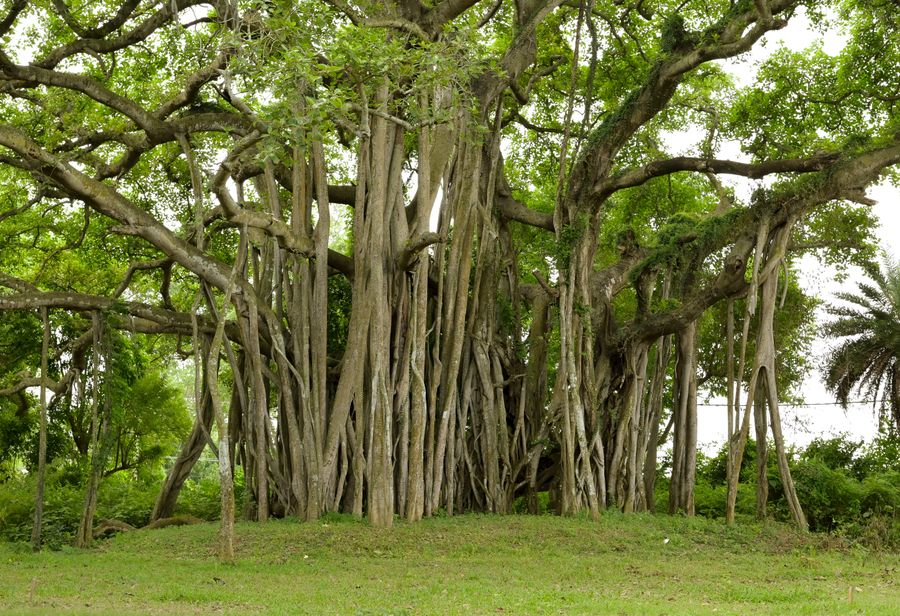
- Acharya Jagadish Chandra Bose Botanic Garden — in Shibpur, Howrah, home to a famous giant banyan tree whose canopy covers several acres.
- Eco Park — New Town’s huge urban park with lakes, cycling and replicas of world monuments, good with children.
- Rabindra Sarobar — a lake in South Kolkata popular with morning walkers and rowing clubs.
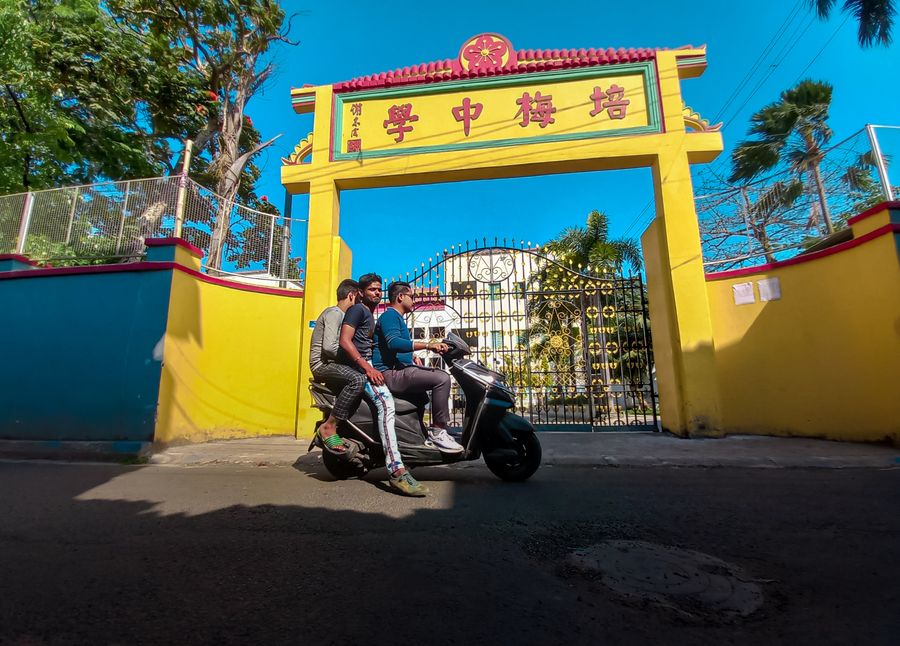
- Tiretta Bazaar breakfast — an early-morning street breakfast of dumplings and soups in the city’s old Chinatown.
- Science City — a large interactive science centre on the Eastern Metropolitan Bypass.
Planning where to stay? Match your base to the sights you want in our guide to Kolkata’s areas.
Kolkata with children
Families tend to enjoy the open space of the Maidan and Victoria Memorial’s gardens, boat rides at Prinsep Ghat, Eco Park’s lakes and cycle paths, Science City, and the Birla Planetarium beside St Paul’s Cathedral. Kolkata’s sweets are an easy win, too. Plan around the midday heat outside winter, and use the metro to avoid long taxi rides in traffic.
Things to do in Kolkata: FAQ
What are the top things to do in Kolkata?
Victoria Memorial, the Indian Museum, Howrah Bridge and Mallick Ghat, Kumartuli, Dakshineswar and Belur Math, College Street and the Indian Coffee House, Park Street and Prinsep Ghat at sunset.
What can you do in Kolkata at night?
Sunset at Prinsep Ghat, Howrah Bridge lit up, dinner and live music on Park Street, and street food around New Market.
Which Kolkata sights are clustered around the Maidan and can be seen in one day?
The Maidan area holds several sights within easy reach of each other. Victoria Memorial has 64-acre grounds and a museum, closed Mondays and some national holidays. The Indian Museum, founded in 1814, is the oldest museum in India. St Paul's Cathedral was consecrated in 1847, and Birla Planetarium stands nearby. Eden Gardens cricket ground is on the Maidan. Check Victoria Memorial Hall and Indian Museum notices for current opening hours.
What can you see in North Kolkata on a heritage walk?
North Kolkata rewards slow walking. Marble Palace dates from 1835 and is a private residence; entry needs a free permit. Jorasanko Thakurbari, Tagore's birthplace, is now the Rabindra Bharati Museum. Kumartuli is the potters' quarter, busiest from July to September. College Street has the Boi Para book market and the Indian Coffee House at Albert Hall. Check Rabindra Bharati Museum notices and Marble Palace permit arrangements before setting out.
Where can you see Kolkata's colonial architecture around BBD Bagh?
Around Lal Dighi in BBD Bagh stand several landmarks from the colonial capital. Writers' Building dates from 1777, the General Post Office from 1868, and the Calcutta High Court faces the same square. The area is a working administrative district, so pavements are busy on weekdays. Some buildings allow visitors only in designated areas or at set times; check with the relevant office before planning a visit.
Which temples and religious sites are worth adding to a Kolkata itinerary?
Kalighat Kali Temple is one of the Shakti Peethas; the present temple dates from 1809. Dakshineswar Kali Temple, completed in 1855, is associated with Ramakrishna. Belur Math, the Ramakrishna Math and Mission headquarters founded by Swami Vivekananda, lies across the Hooghly in Howrah district. Mother House on AJC Bose Road holds Mother Teresa's tomb. Check Kalighat temple and Dakshineswar temple notices, and Mother House, for current hours and festival crowds.
What can you do around the Hooghly riverfront in Kolkata?
The Hooghly riverfront links several sights. Prinsep Ghat has a Palladian memorial built in 1843 on Strand Road, under Vidyasagar Setu. Howrah Bridge, opened in 1943, carries road traffic across the river, and Mallick Ghat flower market sits beneath the Kolkata end. Ferries connect Howrah, Babughat, Shobhabazar, Bagbazar, Dakshineswar and Belur. Check current ferry timings before relying on a crossing.
Which markets in Kolkata suit browsing for food, flowers and books?
New Market, or Hogg Market, opened in 1874 and remains a large covered market for food, clothes and household goods. Mallick Ghat flower market under Howrah Bridge is busiest in the early morning. College Street, known as Boi Para, is the place for second-hand and academic books. Tiretta Bazaar holds a Chinese breakfast market early in the morning. Check Kolkata Municipal Corporation notices for market closures and early trading hours.
Timing tips
- Mornings for temples and the flower market; late afternoons for the Maidan and river.
- Many museums close one day a week — Victoria Memorial is closed on Mondays.
- Use the metro between north and south to skip traffic.
Read next
- Durga Puja guide — how the city changes during its biggest festival.
- Where to stay in Kolkata — pick a base near the sights you’ve chosen.
Photo credits: Pinakpani, CC BY-SA 4.0, via Wikimedia Commons; Ankur P from Pune, India, CC BY 2.0, via Wikimedia Commons; Anik Sarker, CC BY-SA 4.0, via Wikimedia Commons; Yercaud-elango, CC BY-SA 4.0, via Wikimedia Commons; Swarnasubarna26, CC BY-SA 4.0, via Wikimedia Commons; Ryan Hartman, CC BY-SA 3.0, via Wikimedia Commons.