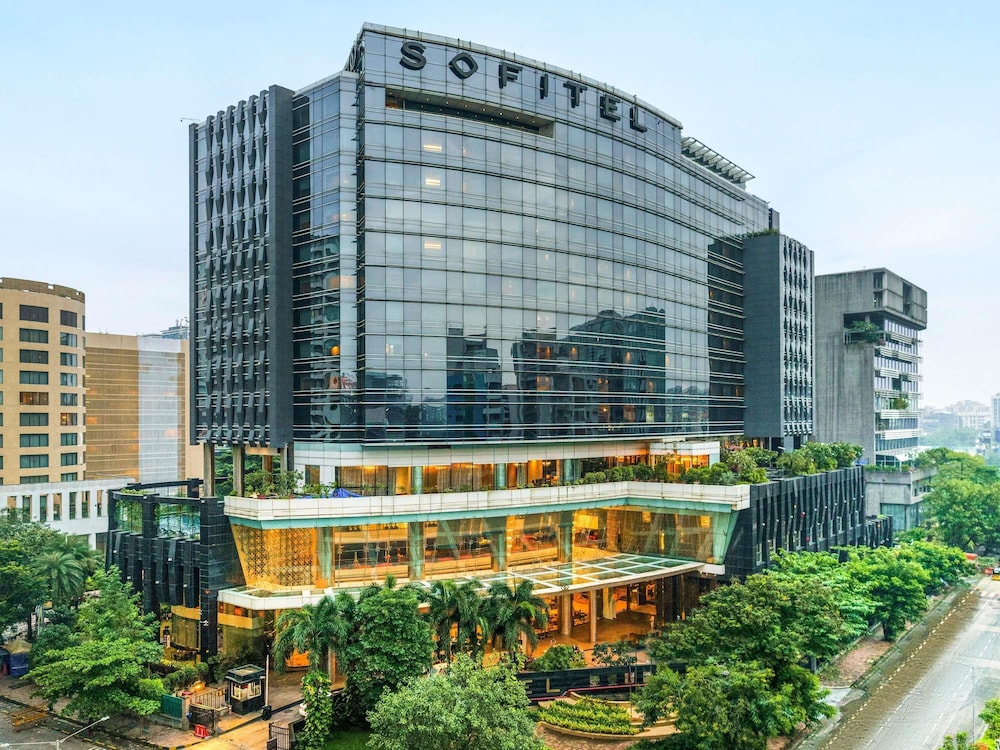
 5★
Flight
≈ 2 h 45 m
CCU → BOM, non-stop; check current schedules
By land or sea
Train
Gitanjali Express and other expresses from Howrah
Best time
November to February
heavy monsoon rain June to September
Stay
3 to 4 nights
Add two nights for Goa
Country
India
no passport needed for Indians
Non-stop flights from Netaji Subhas Chandra Bose International Airport (CCU) in Kolkata reach Chhatrapati Shivaji Maharaj International Airport (BOM) in about 2 h 45 m. Trains from Howrah take roughly 26 to 30 hours. Base in Colaba and Fort for the historic core, or Bandra for a quieter stay. Allow three to four nights. November to February is the most comfortable weather.
Getting from Kolkata to Mumbai
By air
Non-stop flights from Kolkata (CCU) to Mumbai (BOM) take about 2 h 45 m, and several carriers run the route through the day. Both airports sit well outside their city centres, so allow time at either end. At Mumbai, taxis, app cabs and suburban trains connect the terminals to Colaba and Fort in the south or Bandra and Andheri to the north.
The drive into Mumbai depends heavily on traffic. The airport is closer to Andheri, Bandra and Juhu than to the southern districts. For Colaba and Fort, allow a longer transfer and check current suburban rail timetables with Indian Railways before deciding between train and cab.
By train, road or sea
Several expresses link Howrah and other Kolkata stations with Mumbai, including the Gitanjali Express. The run takes roughly 26 to 30 hours, so most travellers treat the train as part of the trip rather than a quick transfer. Book sleeper or air-conditioned classes well ahead through Indian Railways (IRCTC). Driving the roughly 1,650 km straight-line distance is not a realistic alternative.
Where to stay in Mumbai
Colaba & Fort
The historic core, with colonial landmarks, museums and the waterfront within walking distance. Best for first visits and for travellers who want to reach sights on foot.
Bandra
A leafy northern suburb with cafes, bakeries, boutiques and a mixed residential feel. Suits longer stays and travellers who prefer quieter evenings to the tourist core.
Juhu
Sea-facing and relaxed, with a long beach and a family-friendly mood. Practical for beach time and northern suburbs, less so for the southern sights.
Andheri & airport
The most convenient base for early flights and short stopovers, with metro and rail links east and west. Less scenic, but efficient.
Lower Parel
Former mill land turned business and dining district, central between the southern sights and the northern suburbs. Good for restaurants and a modern city feel.
Top things to do in Mumbai
- Gateway of India: The basalt arch on the waterfront at Apollo Bunder, and the starting point for most walks around Colaba and Fort.
- Elephanta Caves: UNESCO-listed rock-cut caves on an island in the harbour, reached by ferry from the Gateway of India. Check sailing times and closing days locally.
- Chhatrapati Shivaji Maharaj Terminus: The Victorian Gothic railway terminus, a UNESCO World Heritage Site and still a working station. Best seen from the street outside in the evening.
- Marine Drive: The curving seafront promenade, known for its evening lights. A walk here at sunset is the simplest introduction to the city.
- Chor Bazaar: A dense market of antiques, salvaged goods and second-hand everything near Mohammad Ali Road. Go with time to spare and no fixed shopping list.
- Dhobi Ghat: The open-air laundry at Mahalaxmi, where washing is sorted and beaten by hand. Viewable from the bridge above; photograph respectfully.
- Crawford Market: A busy Victorian-era market hall near the Chhatrapati Shivaji Maharaj Terminus, strong on produce, spices and dry fruit.
- Haji Ali Dargah: A shrine on a small island off the Worli coast, linked by a causeway that floods at high tide. Check tide times before walking out.
- Kala Ghoda art district: A cluster of galleries, museums and heritage buildings around Kala Ghoda, including the Jehangir Art Gallery and the David Sassoon Library.
- Siddhivinayak Temple: A well-known Ganesh temple in Prabhadevi, busy on Tuesdays. Dress modestly and expect queues and security checks.
Three days in Mumbai
- Day 1: Colaba and Fort: Start at the Gateway of India, walk the Colaba streets and the Fort heritage quarter, then finish with the seafront at Marine Drive after dark.
- Day 2: Markets and art: Crawford Market, Chor Bazaar and the Kala Ghoda galleries fill a day of walking. Add Dhobi Ghat at Mahalaxmi if time allows.
- Day 3: Harbour and temples: Take the ferry to the Elephanta Caves in the morning, then visit Haji Ali Dargah or Siddhivinayak Temple depending on tides and queues.
Add two nights for the northern suburbs, or continue to Pune or Goa by train, both straightforward onward journeys from Mumbai.
Best time to visit Mumbai
November to February is the comfortable window, with dry days and cooler evenings suited to walking Marine Drive and the Fort streets. March and April heat up quickly. The monsoon runs from June to September and brings heavy rain and local flooding, so harbour ferries and outdoor plans can be disrupted. October is a transitional month. Check the India Meteorological Department forecast before booking.
Getting around Mumbai
- Suburban trains: The fastest way to cover long distances between the northern suburbs and the south, with frequent services outside peak hours.
- App cabs and taxis: Useful for the airport run and late evenings, though traffic can make short trips slow.
- Walking and ferries: The Fort and Colaba reward walking, and harbour ferries reach Elephanta and Mandwa.
Mumbai vs Kolkata: what feels different
Mumbai feels faster and more vertical, with high-rises, a coastal horizon and a film industry that shapes the city's self-image. Marathi and Hindi dominate everyday speech, though English works widely. Food leans on seafood, street snacks and a strong Parsi and Maharashtrian strand, unlike Kolkata's Bengali and Indian-Chinese kitchens. The sea is everywhere here, and the climate is damper in the monsoon, hotter in April and May.
Before you go
- Documents: Indian citizens need no visa or passport for this domestic trip, but carry government photo ID for flights and trains.
- Money: The Indian rupee. Cards and UPI are widely accepted, with cash useful in markets and at small eateries.
- Language: Marathi and Hindi are the everyday languages. English is widely understood in transport, hotels and restaurants.
- Local transport: Suburban trains, the metro and app cabs cover most journeys. Allow extra time in peak traffic and check current timetables.
Hotels in Mumbai
Hotels from the IMPT hotel database in Mumbai’s main areas, listed by star rating (5-star first, then 4-star) and guest score. No prices are shown here: each button opens live availability for your dates in the IMPT app, and every booking removes one tonne of CO₂.
5★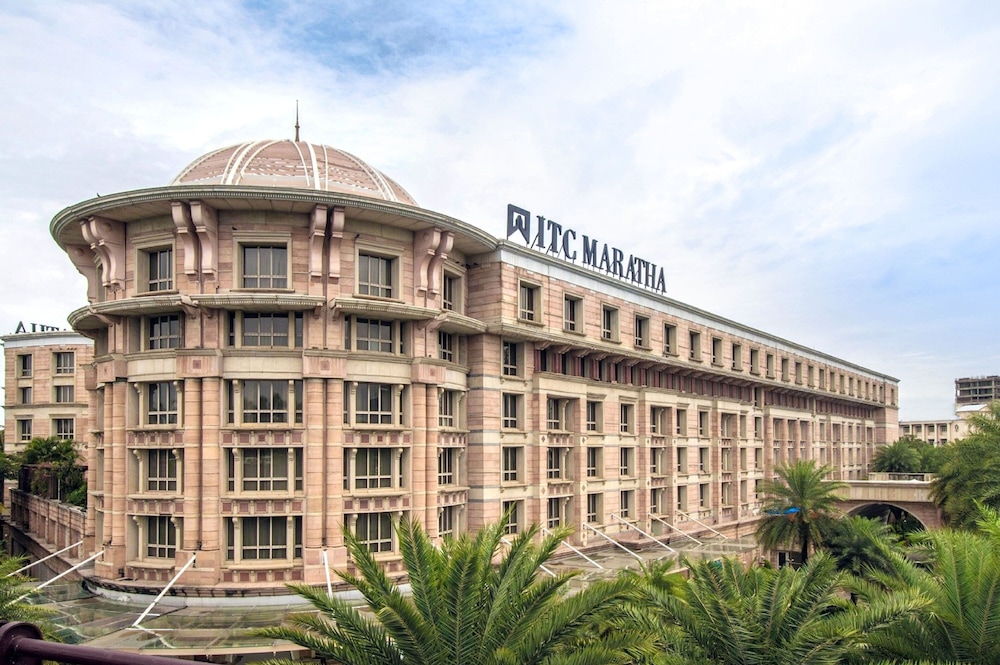 5★
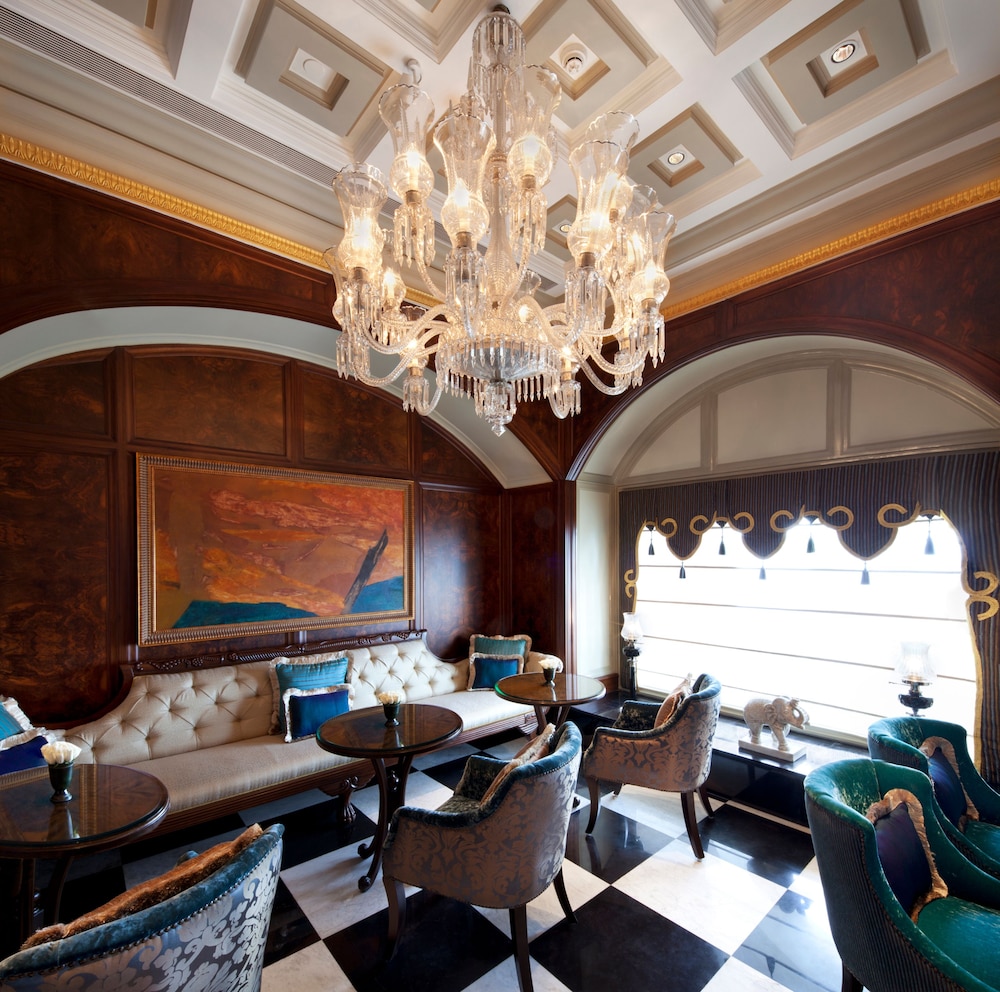
ITC Maratha Mumbai a Luxury Collection Hotel Mumbai
Andheri & airport, Mumbai · 5-starGuest score 4.7/5 · 35952 reviewsSee live price 5★
The Taj Mahal Palace Mumbai
Colaba & Fort, Mumbai · 5-starGuest score 4.7/5 · 33205 reviewsSee live price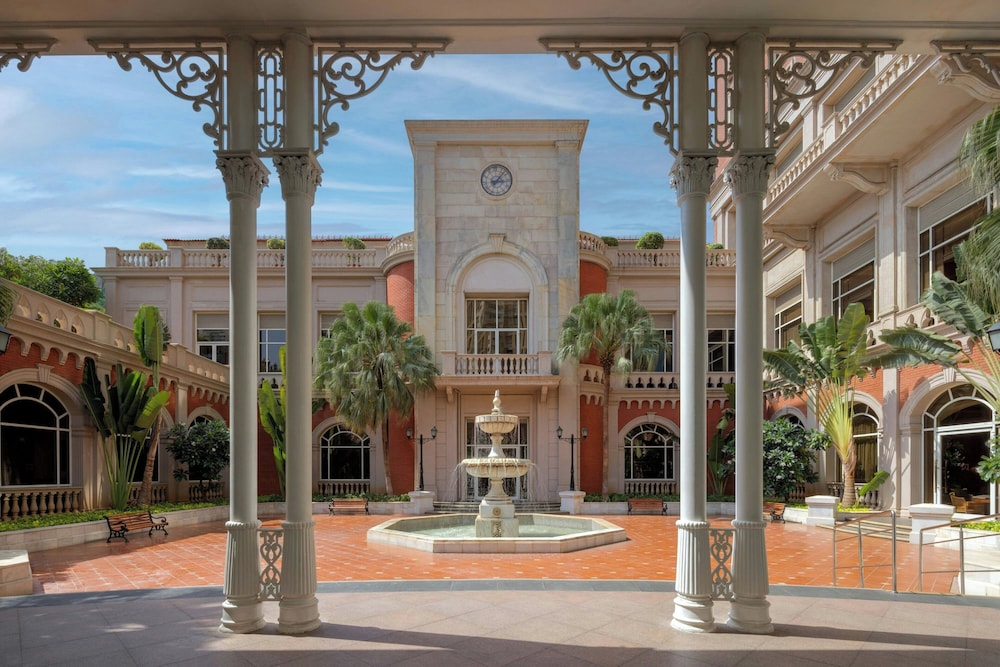 5★
ITC Grand Central a Luxury Collection Hotel Mumbai
Lower Parel, Mumbai · 5-starGuest score 4.7/5 · 23515 reviewsSee live price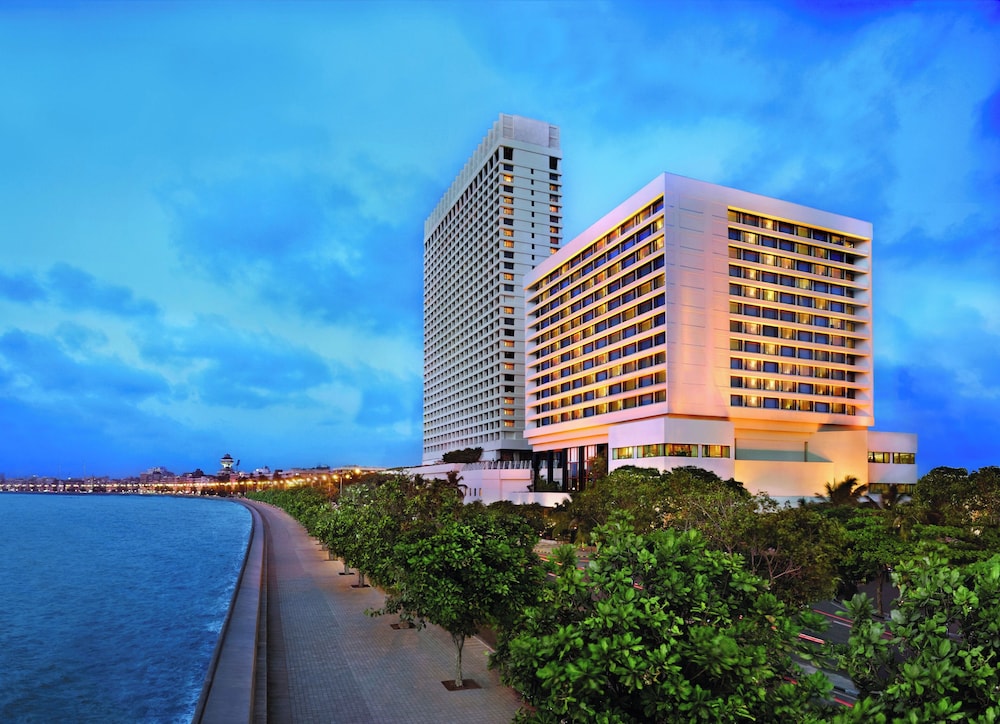 5★
 5★
 5★
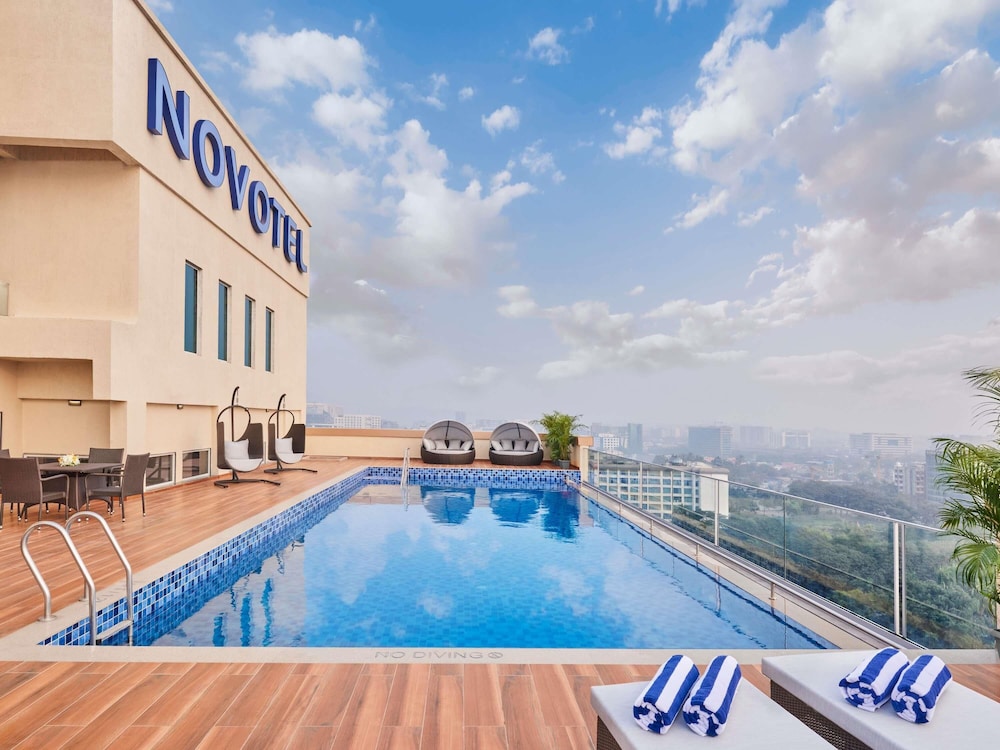
Novotel Mumbai International Airport
Andheri & airport, Mumbai · 5-starGuest score 4.7/5 · 5933 reviewsSee live price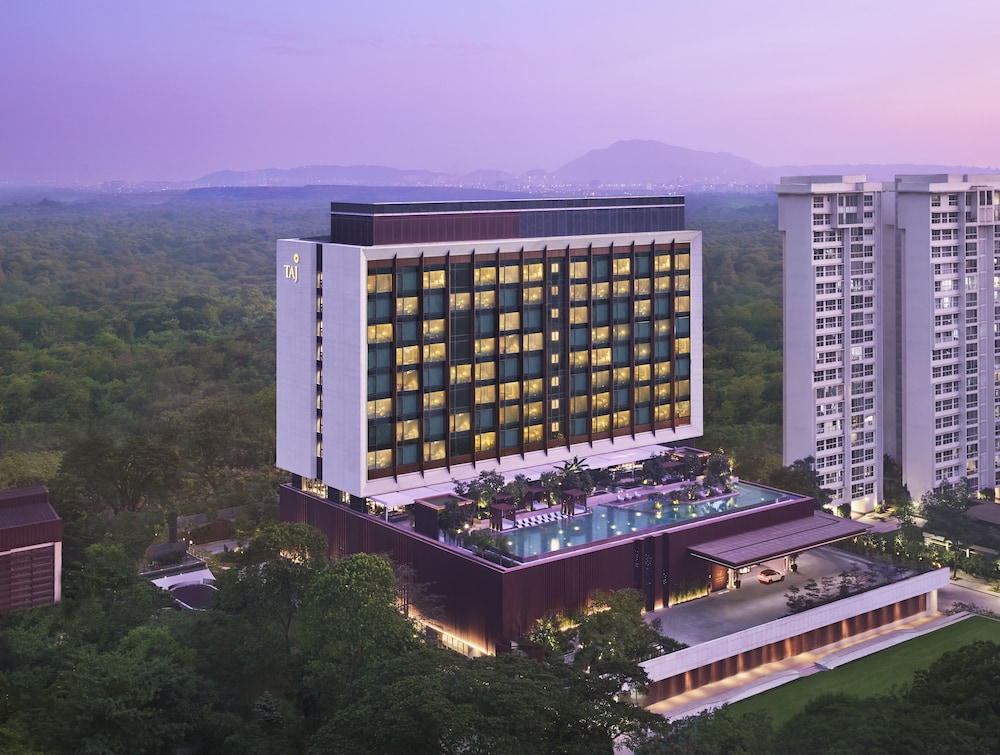 5★
Taj The Trees Mumbai
≈ 6 km from Andheri & airport, Mumbai · 5-starGuest score 4.7/5 · 2084 reviewsSee live price 5★
FAQ
How long does it take to fly from Kolkata to Mumbai?
Non-stop flights from Kolkata (CCU) to Mumbai (BOM) take about 2 h 45 m. Several carriers run the route, with departures spread across the day. Allow extra time at both ends: Kolkata's airport sits about 17 km north-east of the centre, and Mumbai's airport is well north of Colaba and Fort.
Can I travel from Kolkata to Mumbai by train?
Yes. The Gitanjali Express and other trains run from Howrah, taking roughly 26 to 30 hours. Book through Indian Railways (IRCTC) and check current timings, since schedules change. It suits travellers who want to see the country en route rather than fly.
When is the best time to visit Mumbai from Kolkata?
November to February brings dry, comfortable weather at both ends of the trip. March to May is hot, and the monsoon from June to September brings heavy rain and waterlogging in Mumbai. Check the India Meteorological Department forecast before booking, and expect demand to rise around public holidays.
Where should I stay in Mumbai?
Colaba and Fort suit first visits, with colonial landmarks and the waterfront within walking distance. Bandra is quieter, Juhu is beach-facing and family-friendly, Andheri and the airport area work for short stopovers, and Lower Parel is central for restaurants and business.
How many days do I need in Mumbai?
Three to four nights covers the southern sights, a market walk and one harbour or temple excursion. Add nights for the northern suburbs, or use Mumbai as a base for onward trains to Pune or Goa. A longer stay allows a slower look at the art district.
Do I need a visa or passport for a Kolkata to Mumbai trip?
No. This is a domestic journey within India, so Indian citizens need neither visa nor passport. Carry government photo ID such as an Aadhaar card, driving licence or voter ID for airport entry and for train travel, since checks are routine at both ends.
What should I eat in Mumbai?
Seafood, Maharashtrian snacks and Parsi dishes are the local staples, along with street food such as vada pav and pav bhaji. The city's restaurant scene is broad. Travellers based in Kolkata will find the seafood and Parsi kitchens the biggest departure from Bengali and Indian-Chinese food.
How do I get from Mumbai airport to the city centre?
The airport sits in the northern suburbs. Andheri, Bandra and Juhu are short transfers; Colaba and Fort take considerably longer by road, especially in peak traffic. Suburban trains and app cabs are the usual options. Check current timetables and allow a buffer before onward flights.
How does Mumbai's weather compare with Kolkata's?
Mumbai is coastal and humid, with a heavier monsoon between June and September. November to February is mild and dry, and April and May are hot and sticky. Kolkata's winter is a little cooler, but both cities are comfortable in the same months, so similar clothing works for either.
More from Kolkata
Sources: airline schedules, Indian Railways (IRCTC), official tourism and immigration authorities. Times are approximate; check before you travel. Editorial review: 3 November 2026.