 5★
Flight
≈ 1 h 15 m
CCU → KTM, non-stop; check current schedules
Airport
KTM
Tribhuvan International Airport
Best time
October to November and March to April
check the season before booking
Stay
3–4 nights
+2 for Pokhara
Country
Nepal
check entry rules
Non-stop flights from Kolkata (CCU) to Tribhuvan International Airport (KTM) take about 1 h 15 m. Base yourself in Thamel for traveller services, Durbar Marg for quiet and formality, or Patan for Newar architecture. Three or four nights covers the main stupas and durbar squares; add two for Pokhara. October to November and March to April give the clearest weather.
Getting from Kolkata to Kathmandu
By air
Non-stop flights from Kolkata (CCU) to Tribhuvan International Airport (KTM) take about 1 h 15 m. The airport sits east of the city centre; prepaid taxis and app cabs wait outside arrivals, and the drive into Thamel is short but slow at peak hours. Indian citizens do not need a visa for Nepal; other nationalities should check Nepal's Department of Immigration before flying.
Book early around October and November, when demand peaks after the monsoon, and again in spring. Morning departures from Kolkata usually clear the plains haze before the mountains cloud over. Carry a printed or offline copy of your booking, and check the current baggage rules with your airline.
Other options
There is no practical rail or road route from Kolkata to Kathmandu. Trains reach the border at Raxaul or Jogbani, and buses continue into the hills, but the crossing, the paperwork and the mountain roads make a slow, tiring journey. Flying is the sensible choice, and non-stop flights take about 1 h 15 m.
Where to stay in Kathmandu
Thamel
The traveller quarter north-west of the old centre: guesthouses, bookshops, trekking gear and agencies within a few lanes. Best for a first visit, late arrivals and anyone who wants everything on foot.
Durbar Marg
A wide, formal boulevard south of Thamel with embassies, airline offices and quieter hotels. Suits travellers who want calm, easy taxis and a short walk to the old royal palace and New Road.
Boudhanath
The stupa district north-east of the centre, ringed by monasteries, Tibetan cafés and craft shops. Suits repeat visitors, slow travellers and anyone wanting morning kora walks and quiet evenings away from the traffic.
Patan
Across the river in Lalitpur, with its own Durbar Square, metalworkers' lanes and low-rise streets. Suits travellers who prefer Newar architecture, museums and a calmer base than Thamel's noise.
Top things to do in Kathmandu
- Boudhanath at dawn: The great stupa is the centre of Tibetan Kathmandu. Walk the kora clockwise with pilgrims early in the morning, before the coach groups arrive and while the butter lamps are still lit.
- Swayambhunath stupa: A hilltop stupa with painted eyes and prayer flags, reached by a long flight of steps. Go early for clear valley views and fewer monkeys on the stairway.
- Kathmandu Durbar Square: The old royal square, with carved timber temples, the Kumari Ghar and museum courtyards. Parts were damaged in 2015 and repairs continue, so some buildings are still scaffolded.
- Patan Durbar Square: Across the river in Lalitpur, a quieter square of stone temples, courtyards and the Patan Museum. Allow half a day and walk the surrounding lanes of metalworkers and shops.
- Pashupatinath ghats: Nepal's most important Shiva temple stands on the Bagmati, with cremation ghats, sadhus and forested banks. Non-Hindus cannot enter the main temple and view from across the river.
- Bhaktapur old town: A brick and timber town east of the city, with pottery squares and temple-lined streets. It makes an easy half-day or full-day trip by taxi or local bus.
- Garden of Dreams: A restored neoclassical garden beside Thamel, with lawns, pavilions and a café. A calm place to sit out the afternoon traffic before an evening meal.
- Asan Tole bazaar: A busy crossing of spice, grain and vegetable stalls in the old city. Walk through in the morning, when the market is at its liveliest and the lanes are still cool.
- Newari meal in Patan: Look for a Newari kitchen serving bara, choila and rice beer in Patan's back lanes. Portions are small and meant to be ordered in several rounds.
Three days in Kathmandu
- Day 1: Old city and Thamel: Begin at Kathmandu Durbar Square and walk north through Asan Tole's market lanes to Thamel. Stop at the Garden of Dreams in the afternoon, then eat momos or Newari food nearby as the traffic quietens.
- Day 2: The two great stupas: Swayambhunath in the morning, climbing the east stairway for valley views. Move to Boudhanath for the late afternoon, when pilgrims circle the stupa and the light softens. Both are short taxi rides from Thamel.
- Day 3: Patan and Bhaktapur: Cross the river to Patan for the Durbar Square and museum, then continue east to Bhaktapur for its pottery squares and temple streets. Return to Kathmandu in the evening, or stay the night in Bhaktapur for quieter mornings.
Add two or three nights for Pokhara's lakeside or a short trek from the valley rim; trekking permits and current routes are best checked with the Nepal Tourism Board.
Best time to visit Kathmandu
October to November is the clearest window: the monsoon has gone, the air is washed clean and mountain views open from the valley rim. March to April is warmer, with rhododendrons in bloom and haze building before the pre-monsoon storms. December and January are cold but bright; May to September brings heat, cloud and unreliable flights, and the monsoon can close hill roads.
Getting around Kathmandu
- On foot: Thamel, Durbar Marg and the old city lanes are walkable, though pavements are uneven and traffic heavy.
- Taxi or app cab: Metered taxis and app cabs cover longer hops to the stupas and Patan; agree the fare before setting off.
- Local bus: Buses and tempos run to Bhaktapur and around the ring road; they are frequent, crowded and slow.
Kathmandu vs Kolkata: what feels different
Kathmandu sits in a bowl of hills, so the air is thinner, the mornings colder and the light sharper than in Kolkata. Traffic is noisy but slower, with motorbikes rather than yellow taxis. Food moves from fish and mustard to dal bhat, momos and Tibetan bread. Nepali is the everyday language, English is widely understood in tourist areas, and Bengali is uncommon.
Before you go
- Documents: Indian citizens need a valid passport or voter ID card; check the current accepted documents before travel. Other nationalities should check Nepal's entry rules with the Department of Immigration.
- Money: Nepal uses the Nepalese rupee. Cards work in hotels, larger restaurants and shops; keep cash for markets, buses and small tea stalls. Change money at banks or authorised counters.
- Health: Kathmandu's air is dusty and dry. Drink bottled or filtered water, carry a mask for heavy traffic, and take the first day slowly. Check vaccination advice with a travel clinic before flying.
- Language: Nepali is the everyday language. English is widely understood in Thamel, Patan and hotels. Namaste is the standard greeting and dhanyabad means thank you.
Hotels in Kathmandu
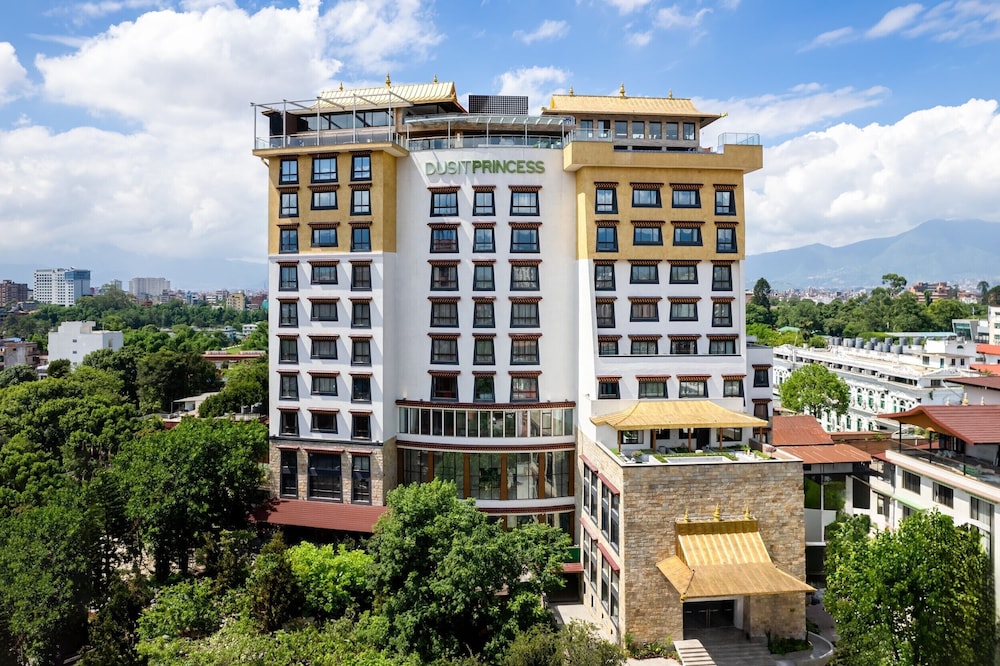
Hotels from the IMPT hotel database in Kathmandu’s main areas, listed by star rating (5-star first, then 4-star) and guest score. No prices are shown here: each button opens live availability for your dates in the IMPT app, and every booking removes one tonne of CO₂.
5★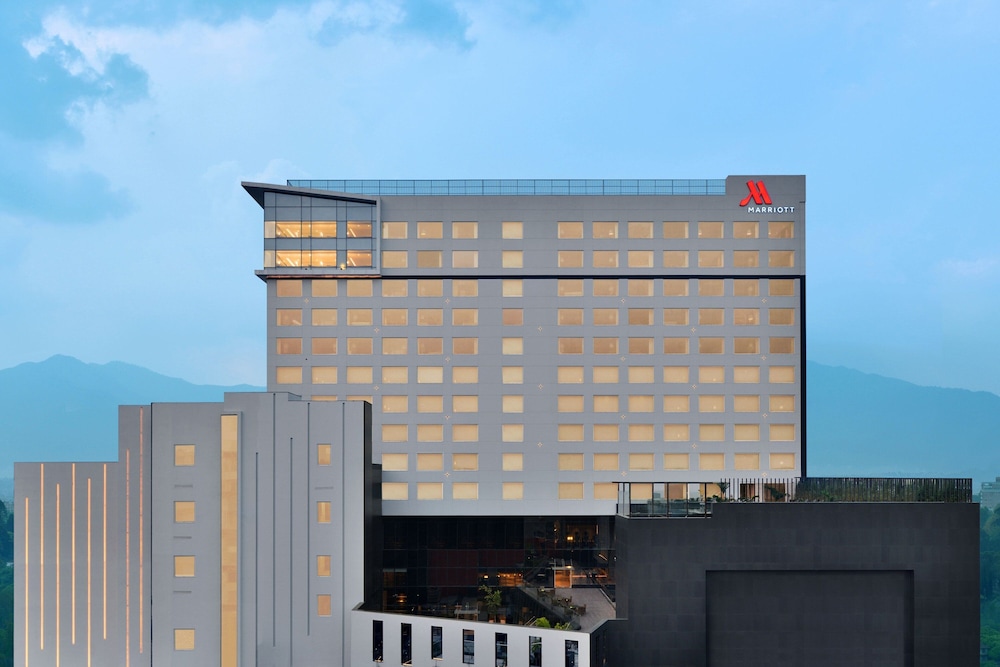 5★
Kathmandu Marriott Hotel
Durbar Marg, Kathmandu · 5-starGuest score 4.6/5 · 3372 reviewsSee live price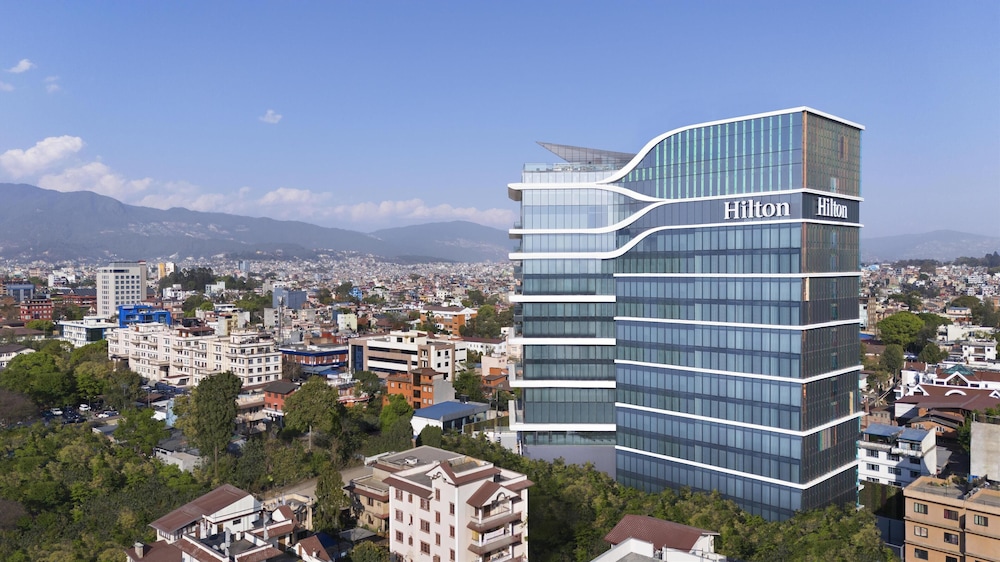 5★
 5★
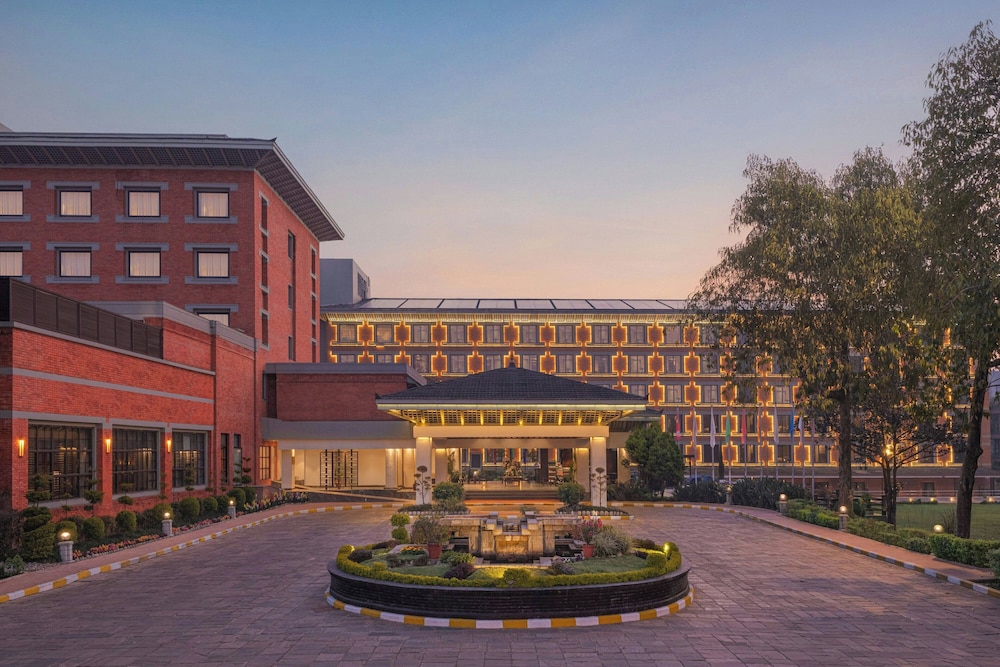
The Soaltee Kathmandu Autograph Collection
≈ 3 km from Thamel, Kathmandu · 5-starGuest score 4.5/5 · 6788 reviewsSee live price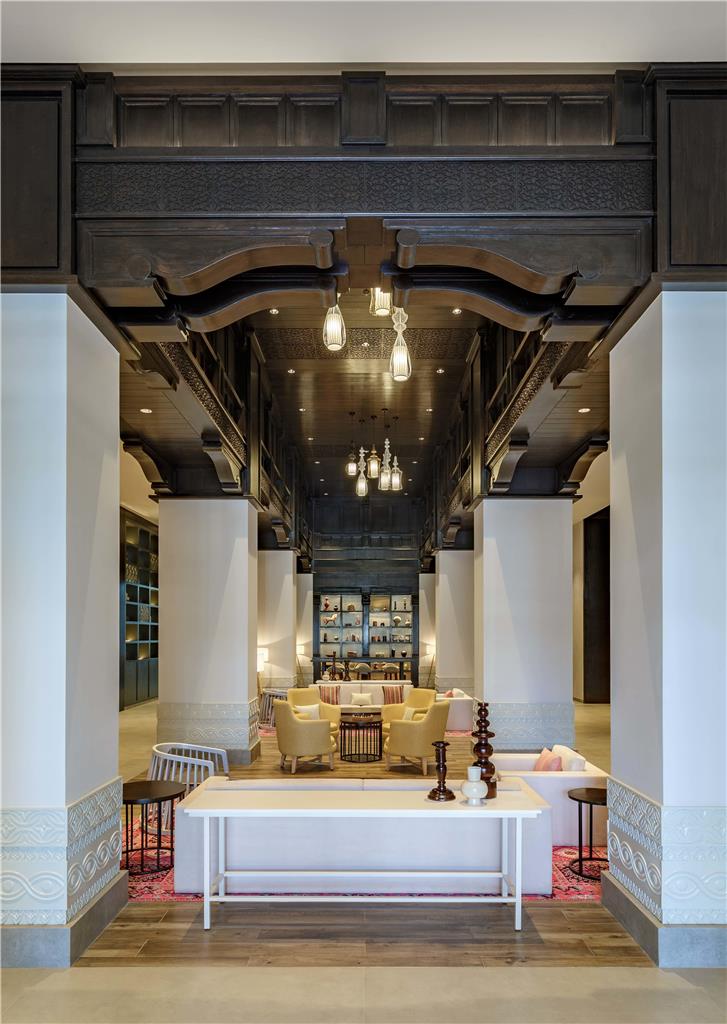 5★
Hyatt Centric Soalteemode Kathmandu
≈ 3 km from Thamel, Kathmandu · 5-starGuest score 4.5/5 · 1312 reviewsSee live price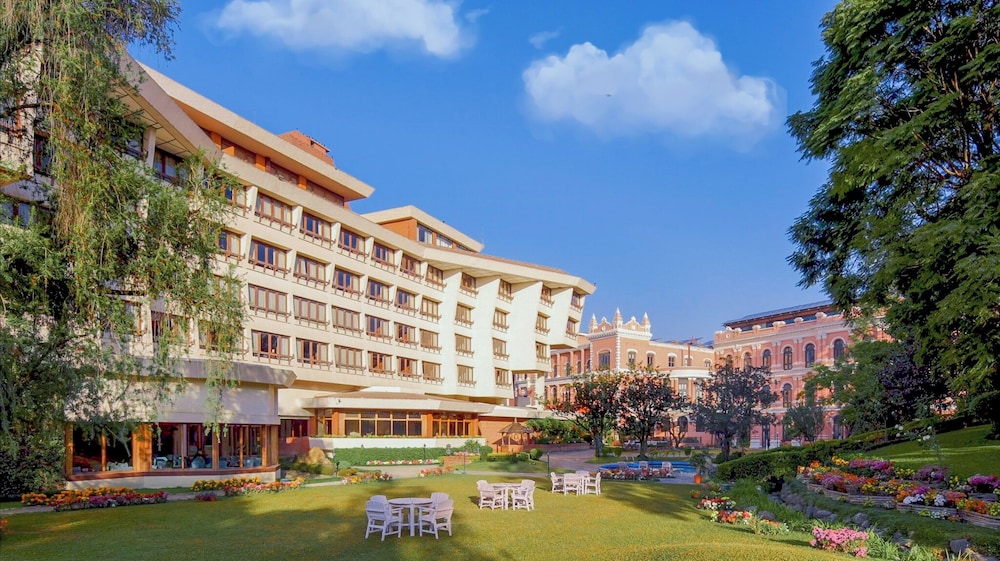 5★
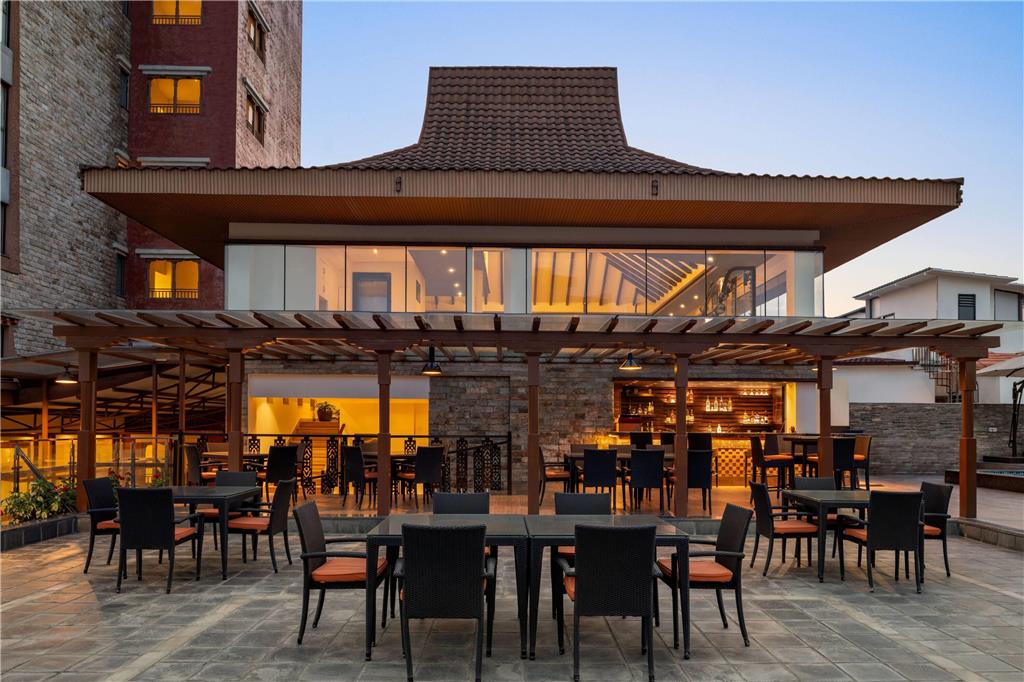 5★
Ramada by Wyndham Kathmandu Dhumbarahi
≈ 2 km from Boudhanath, Kathmandu · 5-starGuest score 4.4/5 · 1406 reviewsSee live price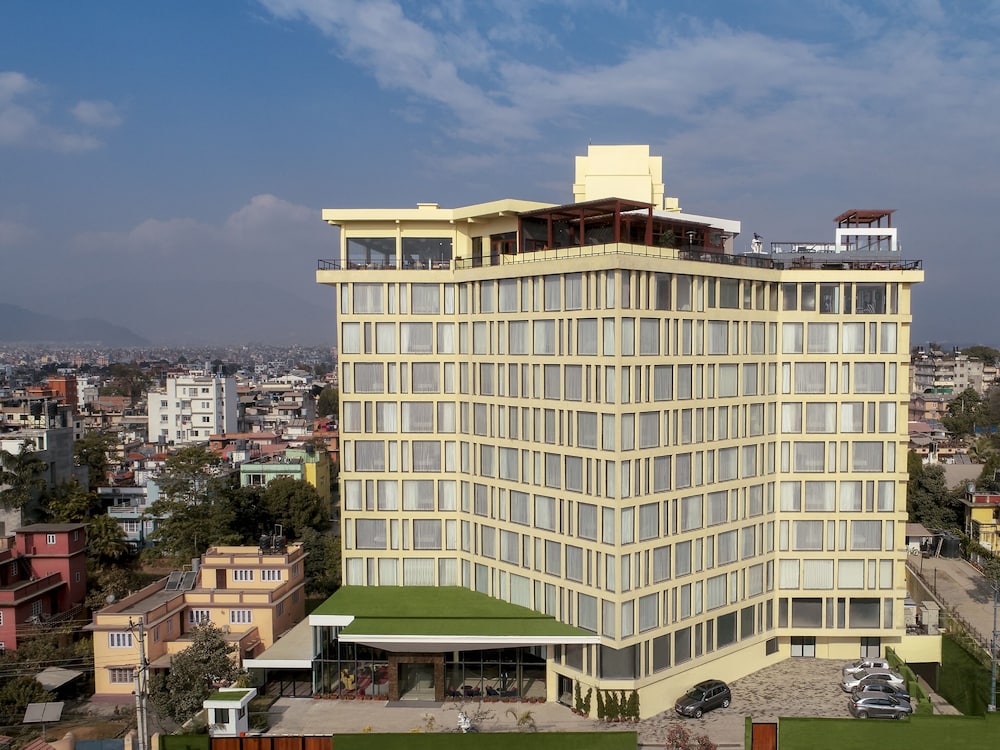 5★
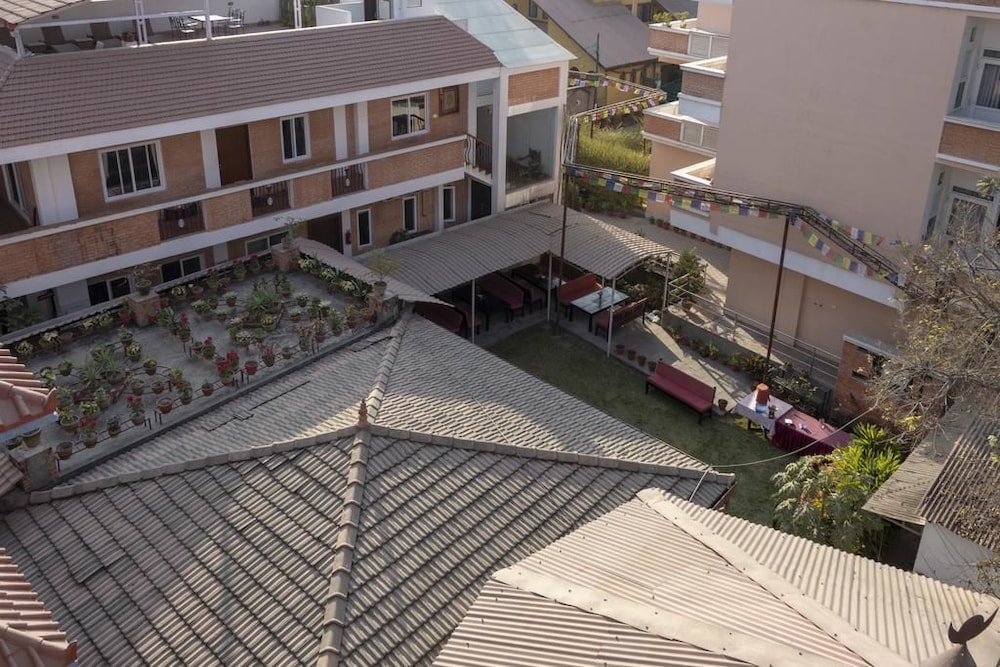 4★
FAQ
How long does the Kolkata to Kathmandu flight take?
Non-stop flights from Kolkata (CCU) to Tribhuvan International Airport (KTM) take about 1 h 15 m. Services are not hourly, so check schedules before fixing dates, and allow time at CCU for transfers if you start elsewhere in India. Connections through Delhi take much longer.
Do Indian citizens need a visa for Kathmandu?
No. Indian citizens do not need a visa for Nepal and can enter with a valid passport or voter ID card. Check the current accepted documents with the Indian Embassy in Kathmandu before travel, since rules can change. Other nationalities should check visa options with Nepal's Department of Immigration.
When is the best time to travel from Kolkata to Kathmandu?
October to November and March to April are the best months. Skies are clearest in autumn, after the monsoon, and spring is warmer with more haze. Winter mornings are cold and bright; the monsoon months bring cloud, delays and slippery hill roads. Check forecasts before booking.
Where should you stay in Kathmandu?
Thamel suits a first visit, with guesthouses, cafés and agencies in a few lanes. Durbar Marg is quieter and more formal. Boudhanath, around the great stupa, rewards slow travellers and repeat visitors. Patan, across the river, is best for Newar architecture and museums. All four are within easy taxi reach of the sights.
How many days do you need in Kathmandu?
Three or four nights covers the old city, Swayambhunath, Boudhanath and Patan at an easy pace, with a day spare for Bhaktapur. Add two or three nights for Pokhara or a short trek. Longer stays suit travellers who want to walk the ring of stupas.
Can you travel from Kolkata to Kathmandu by train or road?
Only with difficulty. Trains run from Kolkata to the border at Raxaul and Jogbani, and buses continue into Nepal, but the crossings, paperwork and hill roads make it a slow journey. Flying is far simpler, and non-stop flights take about 1 h 15 m. Check train times with Indian Railways before planning.
How do you get from Kathmandu airport into the city?
Tribhuvan International Airport sits east of the centre. Prepaid taxis and app cabs wait outside arrivals, and the drive into Thamel is short but slow at peak hours. Agree the fare or insist on the meter before setting off. Ride-hailing apps work in the city, though airport pick-up points can be confusing.
What food should you try in Kathmandu?
Momos, dal bhat, Newari dishes such as bara and choila, Tibetan bread and thukpa are the staples. Thamel and Patan have the widest choice, and Boudhanath has Tibetan kitchens near the stupa. Vegetarian food is easy to find. Tap water is not safe to drink; take bottled or filtered water.
Does the altitude in Kathmandu cause problems?
Kathmandu sits in a valley at moderate altitude, and most visitors notice only dry air, dust and breathlessness on stairs. Take the first day slowly, drink water and avoid dusty roads in traffic. Altitude sickness becomes a real concern on treks above the valley, where you should ascend gradually and take advice first.
More from Kolkata
Sources: airline schedules, official tourism and immigration authorities. Times are approximate; check before you travel. Editorial review: 3 November 2026.