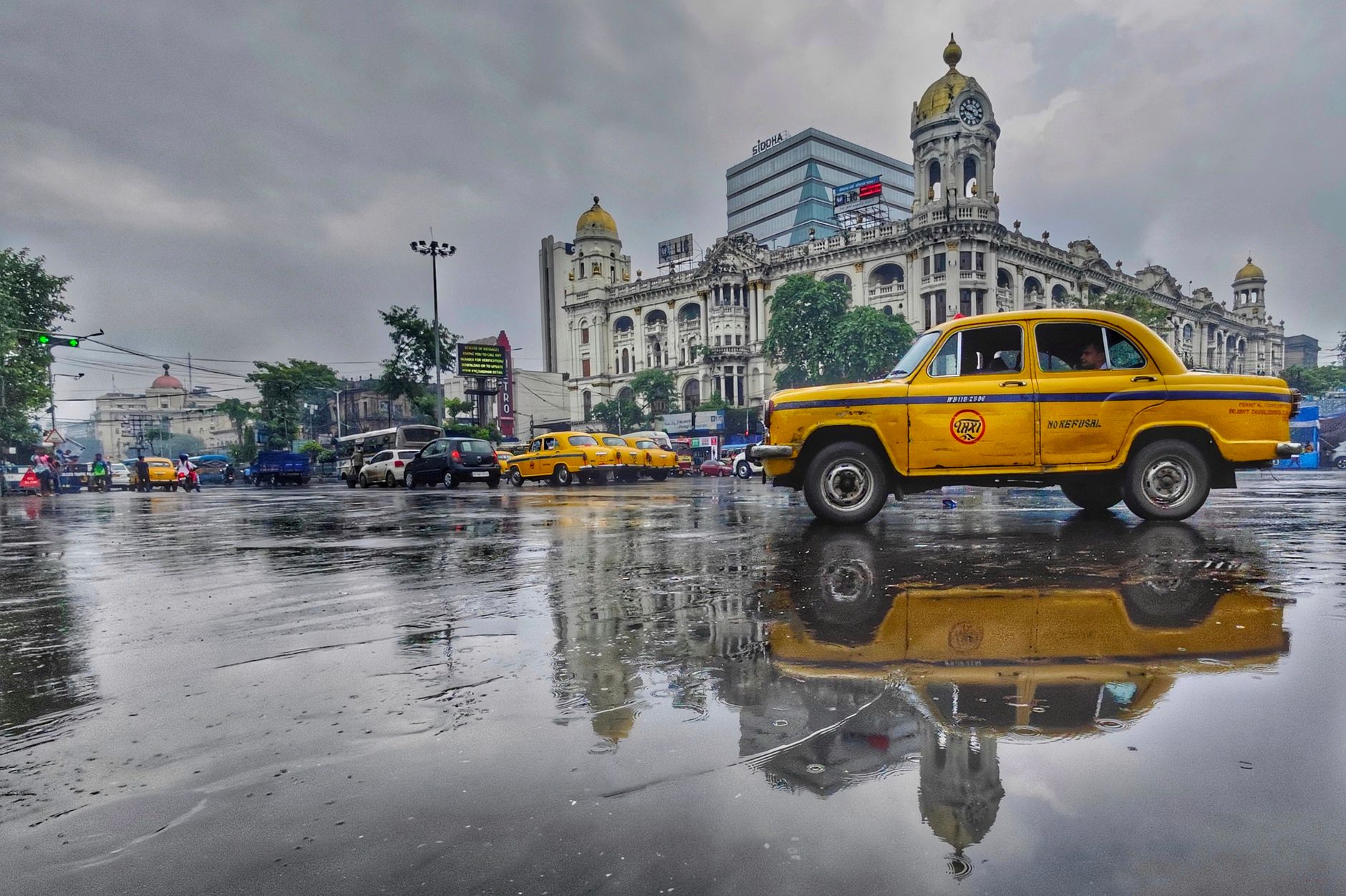
The best time to visit Kolkata is October to March, when it’s dry and comfortable. Come in October for Durga Puja, or December–January for the mildest weather, Christmas on Park Street and the winter festival season. Avoid April–May if you dislike heat, and expect heavy rain from June to September.
Kolkata month by month
Temperatures are typical daytime highs, rounded; check a forecast before you travel.
| Month | Weather | What’s on |
|---|---|---|
| Jan | Cool and dry, mid-20s°C | Dover Lane Music Conference; Book Fair often late Jan/Feb |
| Feb | Pleasant, warming | Saraswati Puja (Jan/Feb) |
| Mar | Warm, low 30s°C | Dol Jatra / Holi |
| Apr–May | Hot and humid, often 35°C+; evening storms | Poila Baisakh, Bengali New Year (mid-April) |
| Jun–Sep | Monsoon: heavy rain, waterlogging | Rath Yatra; hilsa season; Kumartuli workshops busy |
| Oct | Rains ending, warm | Durga Puja (Sep/Oct), then Kali Puja and Diwali (Oct/Nov) |
| Nov | Dry, comfortable | Jagaddhatri Puja in Chandannagar; Kolkata International Film Festival (Nov or Dec) |
| Dec | Coolest, low 20s°C; morning haze | Christmas and New Year on Park Street |
Our picks
- First trip: November–February — easy weather for walking the Maidan and North Kolkata.
- Festival lovers: Durga Puja week — read our Durga Puja guide and book hotels months ahead.
- Food lovers: monsoon for hilsa, winter for nolen gur (date-palm jaggery) sweets.
- Budget travellers: late spring and the monsoon, outside festival dates, usually have the lowest hotel demand.
Air quality in winter
The coolest months can bring hazy mornings and poorer air quality. If you’re sensitive, check the daily air quality index, plan outdoor sightseeing for the afternoon and carry a mask.
Kolkata weather month by month, in detail
January
Kolkata’s coolest, driest month, with daytime highs in the mid-20s °C and chilly mornings. It is peak season for culture: the Dover Lane Music Conference brings classical musicians, and the International Kolkata Book Fair often opens in late January. Hotels are busy but not at festival levels. Pack a light jumper for evenings.
February
Still pleasant and dry, gradually warming. Saraswati Puja, honouring the goddess of learning, fills schools and colleges with yellow saris and small pandals. A good month for walking tours, river trips and day trips to Shantiniketan.
March
Warmer, with highs in the low 30s °C by the end of the month. Dol Jatra (Holi) brings colours to the streets, and at Shantiniketan it is celebrated as Basanta Utsav. Mornings and evenings are still comfortable for sightseeing.
April
Heat and humidity build quickly, often above 35°C. Poila Baisakh, the Bengali New Year in mid-April, brings new clothes, sweets and shop ceremonies. Plan indoor sights for midday and stay near the metro.
May
Usually the hottest month, with occasional evening thunderstorms known as kalbaishakhi that cool the air briefly. Hotel prices can be lower; it is a good time for museums and long lunches.
June
The southwest monsoon normally arrives in the first half of June. Rain brings relief from the heat but also waterlogging on some roads. Rath Yatra, the chariot festival, often falls in late June or July.
July
The wettest period of the year. Expect heavy showers most days and short delays on the roads, though the metro keeps running. This is hilsa season — try shorshe ilish, hilsa in mustard.
August
Still monsoon, green and humid. Kumartuli workshops are in full swing preparing Durga idols, making it a fascinating time for photographers who don’t mind the rain.
September
Rain eases towards the end of the month. In years when Durga Puja falls in late September, the city transforms; Mahalaya marks the countdown about a week before.
October
Many visitors’ favourite month: the monsoon is over, the air is fresher and Durga Puja usually takes place, followed by Lakshmi Puja and then Kali Puja with Diwali. Book hotels well in advance.
November
Dry and comfortable, with clear skies. Jagaddhatri Puja lights up Chandannagar, and the Kolkata International Film Festival is usually held in November or December. One of the best months for a first visit.
December
Cool, festive and busy. Park Street and Allen Park light up for Christmas, and New Year’s Eve brings huge crowds to the centre. Hazy mornings are common; check air quality if you are sensitive.
The three seasons at a glance
- Winter (November–February): dry and mild, the most comfortable time and the busiest for cultural events.
- Summer (March–May): hot and increasingly humid, with occasional evening storms; quieter and sometimes cheaper.
- Monsoon (June–September): heavy rain, lush greenery and hilsa season; expect some disruption.
October is the transition month, when the rains end and festival season begins.
What to pack
- Winter: light layers, a jumper or shawl for mornings and evenings, and a mask if you are sensitive to haze.
- Summer: loose cotton clothing, a hat, sunscreen and a refillable water bottle.
- Monsoon: a compact umbrella, quick-dry clothes and sandals that can handle puddles.
- All year: modest clothing for temples and comfortable shoes you can slip off easily.
Kolkata festival calendar
Most Hindu festivals follow the lunar calendar, so dates shift each year. As a rough guide: Saraswati Puja (January–February), Dol Jatra (March), Poila Baisakh (mid-April), Rath Yatra (June–July), Durga Puja (September–October), Kali Puja and Diwali (October–November), Jagaddhatri Puja (November) and Christmas on Park Street (December). Always check the current year’s dates before booking. For the biggest of them, read our Durga Puja guide.
Best time to visit by type of trip
- Sightseeing and walking tours: mid-November to mid-February, when you can walk the Maidan, BBD Bagh and North Kolkata in comfort.
- Photography: October for festival colour, the monsoon for dramatic skies and reflections, winter for golden late-afternoon light.
- Food: monsoon for hilsa; winter for nolen gur (date-palm jaggery) sweets, pithe and Christmas cakes from old bakeries.
- Day trips: November to March for the Sundarbans and Shantiniketan; the Sundarbans can be difficult in the monsoon.
- Business travel: any time, but avoid Puja week if you need quick road travel across the city.
- Budget: late spring and the monsoon usually have the lowest hotel rates, outside festival dates.
Crowds and hotel prices through the year
Demand follows the festival calendar more than the weather. Prices and occupancy peak during Durga Puja and from Christmas to New Year, with smaller rises around the Book Fair and big cricket matches at Eden Gardens. The quietest months for hotels are usually May to August. If your dates are flexible, aim for early November or February for good weather without festival prices, and compare areas in where to stay in Kolkata.
Our verdict
For most first-time visitors, the best time to visit Kolkata is November to February: dry, mild and full of cultural events. If you want the city at its most extraordinary, plan around Durga Puja and book early. If you don’t mind rain and want lower prices and fewer visitors, the monsoon has its own charm — just pack an umbrella and plan for slower roads.
Handling Kolkata’s weather
- Heat: start early, rest indoors from about noon to 3 pm, and drink plenty of bottled water; air-conditioned metro coaches and museums are good refuges.
- Rain: check the forecast each morning, avoid low-lying roads after heavy downpours, and allow extra time to reach the airport or stations.
- Storms: spring thunderstorms usually pass within an hour — wait them out in a café.
- Haze: on smoggy winter mornings, plan outdoor sightseeing for the afternoon, when visibility is usually better.
Our ideal first trip
Arrive in late November, spend three days covering the Maidan, the river and North Kolkata, then take a train to Shantiniketan for a night before flying home. You get dry weather, comfortable walking temperatures, the start of the winter cultural season and none of the crowds of Puja week or Christmas. If you can only come in October, book early and use our Durga Puja guide to plan around the busiest nights.
FAQ
What is the best month to visit Kolkata?
December and January for weather; October for Durga Puja.
Is Kolkata worth visiting in the monsoon?
It can be — hilsa season, green streets, fewer visitors — but heavy rain causes waterlogging and delays.
When is Kolkata hottest?
April and May, often above 35°C with high humidity.
When does the monsoon usually start and end in Kolkata?
The monsoon usually runs from June to September, with the heaviest rain in July. October rains tail off, and November is generally dry and comfortable. Waterlogging can follow downpours, so allow slack in plans. Check the India Meteorological Department for current forecasts before travel.
How does the weather change between February and March?
February is pleasant, with mild days and cool evenings. March warms to the low 30s Celsius, and humidity begins to climb. Both months suit sightseeing, though March afternoons can feel tiring. Carry water and plan outdoor walks for the morning. Check the India Meteorological Department for forecasts.
When are the Christmas lights on Park Street and Allen Park?
Park Street and Allen Park are lit for Christmas from mid-December to New Year. Evenings are cool and busy, so use the metro to Maidan or Park Street and walk. The lights are free to view. Check Kolkata Municipal Corporation or Kolkata Police notices for crowd arrangements and road closures.
Should a trip be timed for the International Kolkata Book Fair?
The International Kolkata Book Fair usually falls in late January or early February. Dates move each year, so check the current year's schedule with the organisers. The fair draws large crowds, so plan transport early and allow extra time for queues and security checks.
What are December and January mornings like in Kolkata?
December and January are the coolest months, with highs in the mid-20s Celsius. Mornings can be hazy with poor air quality, especially in winter. Afternoons are comfortable for walking and sightseeing. Carry a light jacket for evenings. Check the India Meteorological Department for forecasts.
Which months are best for a Sundarbans trip from Kolkata?
For the Sundarbans, the best window is November to March, outside the monsoon. Entry permits come from the West Bengal Forest Department, usually arranged through operators. Road plus boat travel takes time, and two or three days are recommended. Check current permit rules and tide conditions before setting out.
Read next
- Durga Puja in Kolkata — if your dates fall in September or October.
- Where to stay in Kolkata — which areas book up first in peak season.
Sources: India Meteorological Department climate normals; festival calendars vary each year. Editorial review November 2026.