Kolkata's ferry system is run by the West Bengal Transport Corporation and connects ghats along both banks of the Hooghly. Most visitors use the crossings between Princep Ghat, Millennium Park, Fairlie Place, Howrah and Belur Math. Fares are nominal — typically ₹5 to ₹20 for a single crossing — and boats run from roughly 6am to 8pm, with frequency varying by route. The Hooghly is tidal and busy with cargo traffic, so crossings can be delayed; allow extra time and avoid tight connections.
How the Hooghly Ferries Work
Kolkata's ferry system is run by the West Bengal Transport Corporation and connects ghats along both banks of the Hooghly. Most visitors use the crossings between Princep Ghat, Millennium Park, Fairlie Place, Howrah and Belur Math. Fares are nominal — typically ₹5 to ₹20 for a single crossing — and boats run from roughly 6am to 8pm, with frequency varying by route. The Hooghly is tidal and busy with cargo traffic, so crossings can be delayed; allow extra time and avoid tight connections.
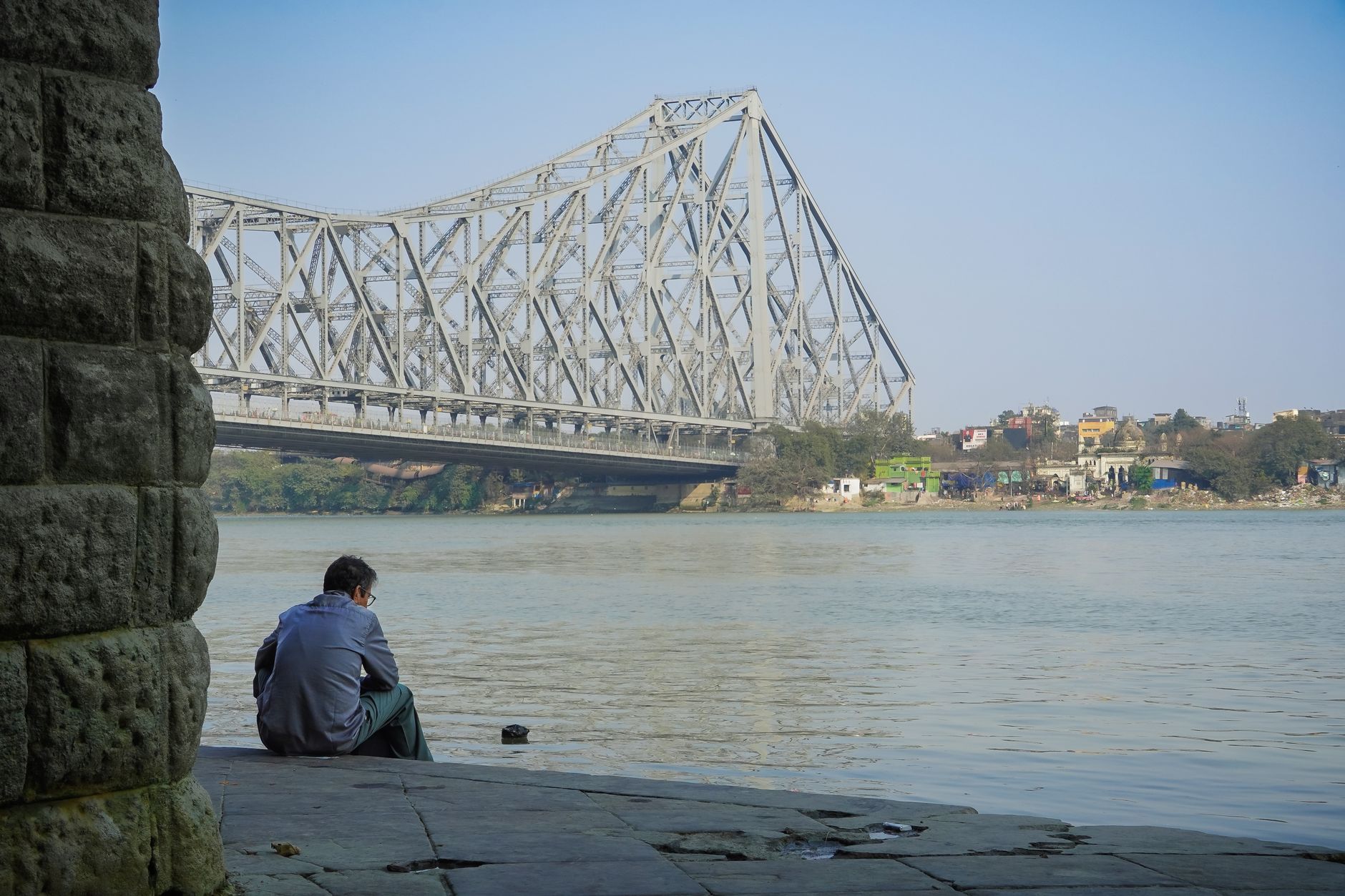
The experience is less about transport and more about seeing the city from the water: the Howrah Bridge silhouetted against the sky, colonial-era warehouses, and the daily life of commuters. Boats are basic — wooden benches, open sides — and life jackets are not always provided. For visitors, the most scenic and useful routes are Princep Ghat to Howrah, Millennium Park to Fairlie Place, and the longer run to Belur Math. Buy tickets at the ghat counter; exact change helps.
The Most Useful Routes for Visitors
The Princep Ghat–Howrah crossing is short (about 10 minutes) and drops you near Howrah Station, useful if you're catching a train or exploring the flower market. Millennium Park–Fairlie Place links the colonial core (near Dalhousie Square) with the riverside promenade, a handy hop for sightseeing. The Belur Math route from Millennium Park or Fairlie Place takes 30–40 minutes and lands you at the Belur Math temple complex — a calm, worthwhile half-day trip. Skip the sporadic cross-river services that mainly serve commuters and offer little for visitors.
For a straightforward scenic ride, I'd book the Princep Ghat–Howrah crossing in the late afternoon when the light is soft and the bridge is backlit. For a longer, more purposeful trip, the Belur Math ferry is the one to plan around: go early, spend two hours at the math and Ramakrishna Mission, then return. Avoid the peak commuter hours (8–10am, 5–7pm) if you want space on the boat.
Timing, Tickets and Practicalities
The best months for ferry rides are November to February, when the weather is dry and mild; summer afternoons can be oppressively hot, and the monsoon (June–September) brings choppy water and occasional cancellations. Mornings are quieter and cooler. Tickets are sold at each ghat's counter — no online booking — and queues are short outside commuter peaks. Carry small notes and coins. The ghats themselves are uneven and can be slippery; wear shoes with grip.
Facilities are minimal: no cafes on board, and toilets at the ghats are basic. Millennium Park has nearby cafes and clean public toilets. Princep Ghat is close to the 18th-century Princep Memorial and a pleasant riverside walk. If you're prone to motion sickness, the short crossings are gentler than the longer Belur run. Keep an eye on your belongings in crowds, as you would anywhere in the city.
Where to Stay for Easy Ferry Access
For ferry convenience, base yourself in central Kolkata around Sudder Street, Park Street or Dalhousie Square. From there, Princep Ghat and Fairlie Place are a short taxi or metro ride away (10–20 minutes, depending on traffic). This area also puts you near the Indian Museum, New Market and many restaurants. Hotels range from budget guesthouses to heritage properties; expect to pay more for river views, but few hotels actually front the Hooghly.
If you plan a Belur Math visit, a hotel in north Kolkata near Howrah Station or Shobhabazar can shorten the morning journey, but central Kolkata is more convenient for overall sightseeing. I'd choose a hotel within walking distance of Park Street or Esplanade metro — you'll have easy access to both ghats and the city's main sights. Book ahead in winter (December–January), when demand peaks.
Related articles
FAQ
How much does a ferry ride cost in Kolkata?
Fares are very low, typically ₹5 to ₹20 for a single crossing depending on the route. Tickets are bought at the ghat counter; exact change speeds things up. No online booking is available.
Which ferry route is best for tourists?
The Princep Ghat–Howrah crossing is short and scenic, especially late afternoon. For a longer trip, the Millennium Park or Fairlie Place to Belur Math route is worthwhile for visiting the temple complex.
What are the ferry operating hours?
Boats generally run from about 6am to 8pm, but frequency varies by route and can be affected by tides and cargo traffic. Avoid commuter peaks (8–10am, 5–7pm) for a quieter ride.
Are life jackets provided on Kolkata ferries?
Not reliably. Boats are basic and life jackets may not be available. If this concerns you, stick to short crossings and consider your comfort level with water travel.
When is the best time of year to take a ferry in Kolkata?
November to February offers dry, mild weather. Summer afternoons are hot, and the monsoon (June–September) can bring choppy water and occasional cancellations. Mornings are cooler and quieter.
Which area should I stay in to be near the ferries?
Central Kolkata around Sudder Street, Park Street or Dalhousie Square puts you within a short taxi or metro ride of Princep Ghat and Fairlie Place. Book ahead in winter, the peak season.
Can I visit Belur Math by ferry?
Yes, ferries from Millennium Park or Fairlie Place run to Belur Math (30–40 minutes). Go early, spend a couple of hours at the temple complex, and return by ferry or taxi.
What should I bring on a Kolkata ferry?
Carry small notes for tickets, water, sun protection, and shoes with grip for slippery ghats. Facilities are minimal, so use toilets before boarding. Keep belongings secure in crowds.
Read next
- Best time to visit Kolkata: a month-by-month guide
- Where to stay in Kolkata
- Things to do in Kolkata
- More from the Kolkata blog
Sources: West Bengal Tourism, Metro Railway Kolkata, India Meteorological Department.
Editorial review: 25 November 2026. Opening days, fares and festival dates change; check before you go.