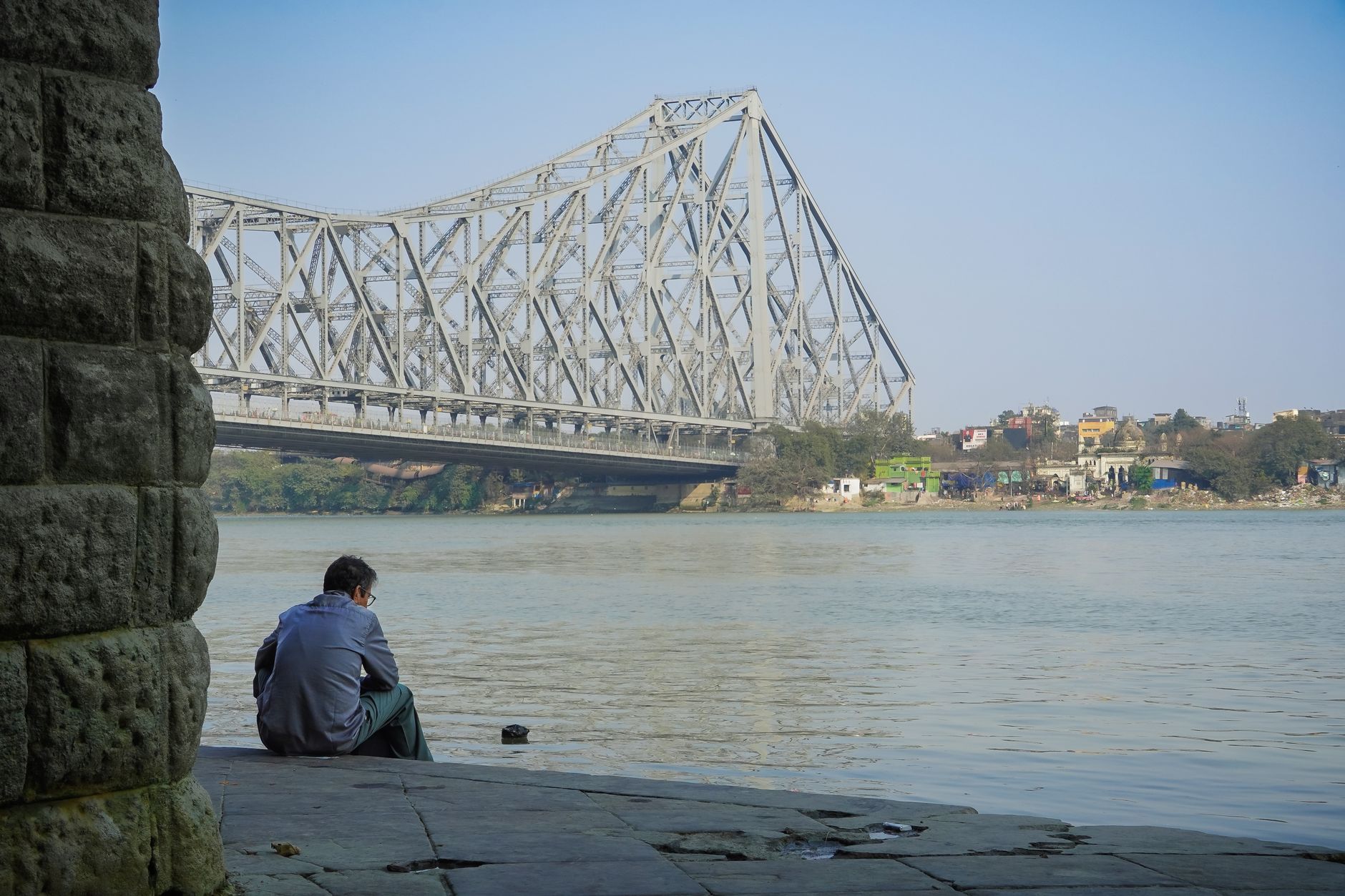
Start in the heart of the city around B.B.D. Bagh (Dalhousie Square), where the Writers' Building and the General Post Office anchor a cluster of colonial-era landmarks. The Victoria Memorial on Queen's Way is best visited early morning (opens 10am, closed Mondays) to avoid heat and crowds; entry is around ₹500 for foreigners. Walk Maidan's northern edge to the Indian Museum on Jawaharlal Nehru Road (closed Mondays), then cross to Sudder Street for budget eats. For sleeping, choose between backpacker land Sudder Street and the business hotels around Park Street and Chowringhee; the latter suits light sleepers better.
Days 1–2: Central Kolkata and the Colonial Core
Start in the heart of the city around B.B.D. Bagh (Dalhousie Square), where the Writers' Building and the General Post Office anchor a cluster of colonial-era landmarks. The Victoria Memorial on Queen's Way is best visited early morning (opens 10am, closed Mondays) to avoid heat and crowds; entry is around ₹500 for foreigners. Walk Maidan's northern edge to the Indian Museum on Jawaharlal Nehru Road (closed Mondays), then cross to Sudder Street for budget eats. For sleeping, choose between backpacker land Sudder Street and the business hotels around Park Street and Chowringhee; the latter suits light sleepers better.
Day 2, head north to Sovabazar and the Marble Palace on Muktaram Babu Street (free entry, closed Mondays and Thursdays), then Jorasanko Thakur Bari, the Tagore family home. The lanes here are congested; take the metro to Girish Park and walk. In the evening, return south for a stroll along the Hooghly at Princep Ghat. Skip the expensive river cruises from Millennium Park unless you want the full tourist package; the public ferry from Babughat to Howrah costs a few rupees and gives you the same skyline.
Days 3–4: North Kolkata's Old Quarters and the Hooghly
Spend Day 3 exploring the heritage lanes of Baghbazar and Shyambazar, where you'll find the imposing bylanes of the old Bengali aristocracy. Start at the Baghbazar Ghat and walk to the imposing Raja Rajballabh's house. The area is best explored on foot, but be prepared for narrow, busy streets. For lunch, try the pice hotels (no-frills eateries) around College Street, where a thali costs around ₹80–120. College Street's book stalls are worth a browse, though the pavement is crowded. In the afternoon, visit the nearby Beth El Synagogue and the Armenian Church on Armenian Street; both are quiet oases.
Day 4 is a slower day: take a taxi (about 30 minutes from central Kolkata) to the Dakshineswar Kali Temple, north of the city on the Hooghly. The temple is free but crowded on weekends; go early. Then cross the river by ferry to Belur Math, the Ramakrishna Mission headquarters, a peaceful campus with gardens. Allow 2–3 hours there. On your return, stop at the Indian Coffee House on College Street for a dose of history. Avoid the afternoon heat by resting between 1pm and 4pm; many small shops close then.
Days 5–6: South Kolkata and the Arts Scene
South Kolkata is greener and more residential. Day 5, visit the Kalighat Temple (early morning is less hectic), then walk to the nearby Kalighat potters' quarter, where artisans still make clay images. Continue to the Ashutosh Museum on the Jadavpur University campus (check opening hours, usually 10:30am–5pm, closed weekends). For lunch, head to Golpark or Gariahat for Bengali thalis; expect ₹150–250. In the evening, catch a film at the iconic Nandan cinema complex on A.J.C. Bose Road, which shows Bengali and world cinema at around ₹50–100 a ticket.
Day 6, slow down. If you are interested in art, the Emami Chisel Art gallery in Ballygunge or the newer Experimenter gallery on Ballygunge Place are worth checking for exhibitions. Otherwise, wander the leafy lanes of Ballygunge and visit the Birla Industrial & Technological Museum (closed Mondays) if you are travelling with children. The Science City complex on the Eastern Metropolitan Bypass is a bigger, more interactive option but requires a full afternoon. For dinner, try the restaurants around 1/1 Hindustan Park; many are closed on Mondays, so check ahead.
Day 7: A Flexible Day and Practical Tips
Use your last day for whatever you missed or to revisit a favourite area. If you want a day trip, consider a taxi to the Danish colonial settlement of Serampore (now Srirampur), about 45 minutes north, where you can see the old churches and the St. Olav's Church. Alternatively, head to the Sundarbans for a day trip, but that requires a very early start (5am) and a full day; book through a reputable operator. For last-minute shopping, the air-conditioned South City Mall on Prince Anwar Shah Road is convenient, though it lacks local character.
Practicalities: Kolkata's metro is cheap and fast, but the main north-south line does not reach all tourist sights; use app-based cabs (Ola, Uber) for short hops. The best months to visit are November to February; March is warm but tolerable, while May to September brings heat, humidity and monsoon rains. If you are booking a hotel, the area around Park Street and Sudder Street offers the widest range for all budgets, with easy access to the metro at Esplanade. Avoid hotels on the very busy A.J.C. Bose Road if you are sensitive to noise.
Related articles
FAQ
How many days do I need in Kolkata?
Seven days let you cover the main sights at a relaxed pace, with time for north Kolkata's heritage lanes and a day trip. Five days is enough for the highlights, but you'd skip some of the slower experiences.
What's the best area to stay in Kolkata for sightseeing?
Park Street and Sudder Street are central, with easy access to the metro and many restaurants. For a quieter stay, Ballygunge in the south is leafy but further from the northern sights.
How do I get around Kolkata?
The metro is cheap and fast for north-south journeys. For other trips, use app-based cabs like Ola and Uber, or yellow taxis. Trams are slow but atmospheric; try one short ride.
What should I skip in Kolkata?
The expensive river cruises from Millennium Park are not worth it when the public ferry costs a few rupees. Also, Science City is a full-day commitment that many short-term visitors find skippable.
When is the best time to visit Kolkata?
November to February is ideal, with mild, dry weather. March is warming up but still manageable. Avoid May to September if you dislike heat and monsoon rain.
Is Kolkata safe for solo travellers?
Kolkata is generally considered safe, with friendly locals. Use common sense: avoid isolated areas at night, use licensed taxis, and keep valuables secure. The city is relatively relaxed compared to other Indian metros.
What local food should I try in Kolkata?
Don't miss a Bengali thali, street-side phuchka (pani puri) and mishti doi (sweet yogurt). For a sit-down meal, try the pice hotels around College Street for an authentic, inexpensive experience.
Do I need to book hotels in advance?
For November to February, yes—it's peak season and good hotels fill up. Outside those months, you can often book a few days ahead, but booking early gives you more choice.
Read next
- Best time to visit Kolkata: a month-by-month guide
- Where to stay in Kolkata
- Things to do in Kolkata
- More from the Kolkata blog
Sources: West Bengal Tourism, Metro Railway Kolkata, India Meteorological Department.
Editorial review: 21 November 2026. Opening days, fares and festival dates change; check before you go.