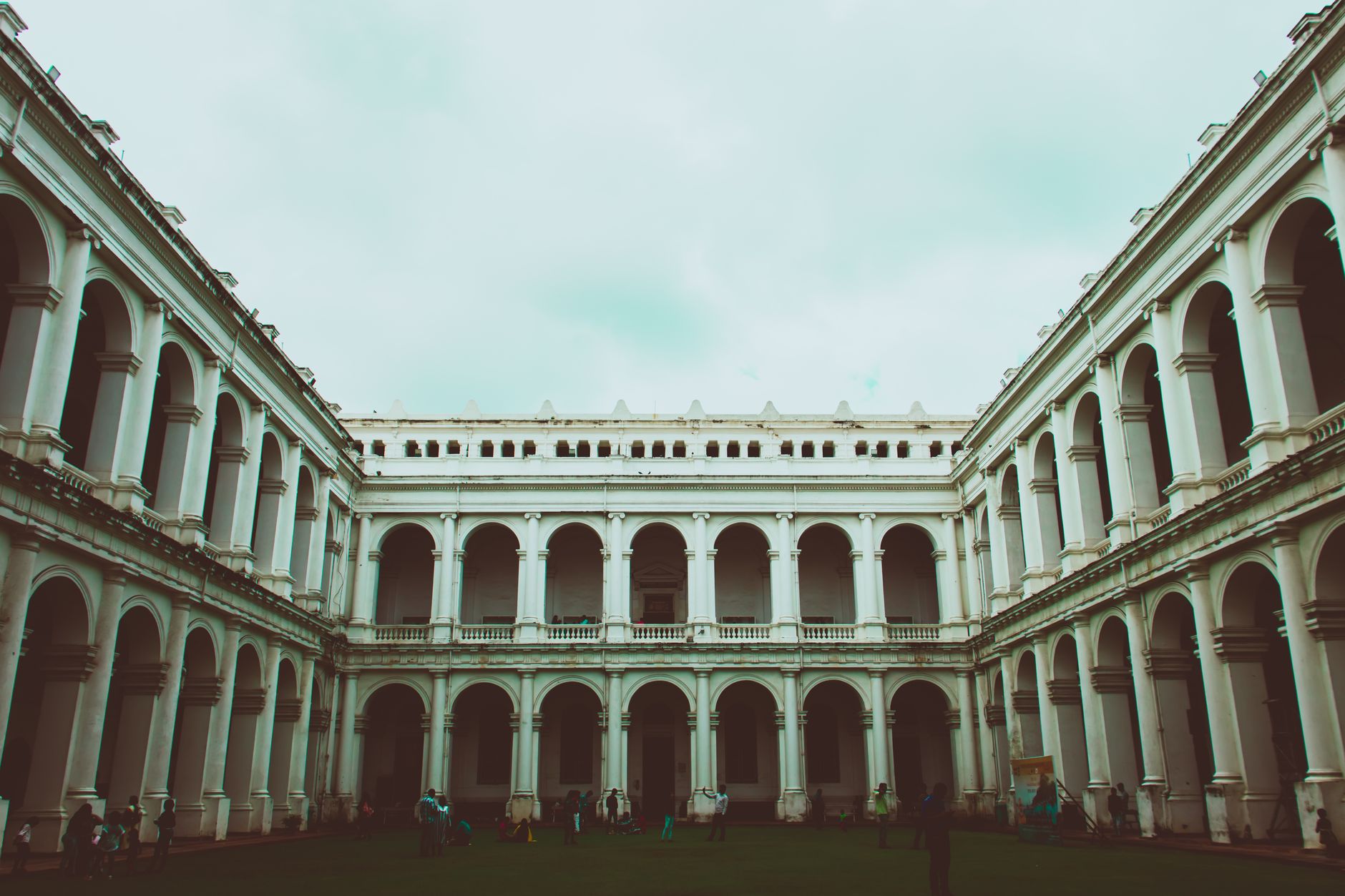
Serampore, spelled Srirampur on railway signs and known historically as Frederiksnagore, sits on the west bank of the Hooghly about 22 kilometres north of central Kolkata. The simplest route is the suburban train from Howrah or Sealdah to Serampore station, roughly 40 to 55 minutes depending on the service. By road via GT Road and the Dakshineswar stretch, expect 60 to 90 minutes in the morning peak. Shared autos and toto electric rickshaws cover the short hop from the station to the riverfront for a few rupees.
Getting There and Getting Your Bearings
Serampore, spelled Srirampur on railway signs and known historically as Frederiksnagore, sits on the west bank of the Hooghly about 22 kilometres north of central Kolkata. The simplest route is the suburban train from Howrah or Sealdah to Serampore station, roughly 40 to 55 minutes depending on the service. By road via GT Road and the Dakshineswar stretch, expect 60 to 90 minutes in the morning peak. Shared autos and toto electric rickshaws cover the short hop from the station to the riverfront for a few rupees.
Base yourself in Kolkata rather than Serampore itself: the town has very little graded accommodation, and the guesthouses near the ghats are basic. Staying in north or central Kolkata — around Shyambazar, Esplanade or Bhowanipore — puts you within easy reach of Howrah or Sealdah for an early start, and gives you somewhere comfortable to return to. Book two or three nights in the city and treat Serampore as a half-day outing, ideally combined with a stop at Dakshineswar on the way back.
The Danish Heritage Stretch
Serampore was a Danish trading post from 1755 to 1845, and the compact grid of streets behind the river still shows it. Start at the ghat area and work inland along the lanes around Serampore College, founded in 1818 and still a working institution. St Olav's Church, the town's Danish church, stands nearby, and the old cemetery on the edge of town holds graves from the colonial period. The Government House site and the remains of the Danish administrative quarter are within a fifteen-minute walk of each other, so you can cover the core on foot.
Allow two to three hours for the heritage circuit at an unhurried pace. Several buildings are in poor repair and cannot be entered; admire them from the street rather than expecting museum displays. The college campus is the highlight and worth lingering over. Photography is fine outdoors, but ask before photographing inside active churches or college buildings. Weekday mornings are quietest. Carry water and wear shoes you can walk in, since the pavements are uneven and the riverside path breaks up in patches.
The Riverfront, William Carey and the Ghats
The Hooghly frontage is the reason to come. The ghats here are working river steps rather than promenades, with ferry crossings and fishing boats, and the light in the early morning is good for photographs across to Barrackpore on the opposite bank. William Carey, the Baptist missionary and printer, lived and worked in Serampore from 1800, and the press he ran produced some of the earliest printed Bengali texts. The connection gives the town an outsized place in the history of Bengali printing, and it is worth reading up before you go.
Combine the riverfront with a visit to the nearby Barrackpore Cantonment area if you have transport, or simply retrace your steps to Dakshineswar and its temple complex on the return leg. Do not plan on a riverside restaurant lunch — options near the ghats are limited to small local eateries serving basic Bengali food. Eat a proper meal back in Kolkata. If you want a longer river day, the Hooghly has ferry services that connect several of these riverside towns, but timings are irregular and not something to build a tight schedule around.
When to Go and What to Skip
October to February is the comfortable window: daytime temperatures sit in the mid-twenties to low thirties Celsius, and walking the heritage lanes is pleasant. March and April turn hot and humid, and the monsoon from June to September makes the riverside lanes muddy and the walking uncomfortable. Avoid the peak afternoon sun in any month; the light is best before about ten in the morning. Weekdays are markedly calmer than Sundays, when local visitors come out in numbers to the ghats and the college area.
Skip the expectation of a restored colonial quarter on the scale of North Kolkata's Sovabazar or Chorbagan. Serampore's heritage is scattered, partly overgrown and genuinely lived-in, which is its charm but not everyone's idea of a sightseeing day. If you have only two full days in Kolkata, prioritise the city's own colonial streets and museums, and put Serampore on a longer trip. If you like quiet riverside towns and printing history, it rewards a morning. I would book a central Kolkata hotel with good metro access and go early on a weekday.
FAQ
How far is Serampore from Kolkata?
About 22 kilometres north of central Kolkata on the west bank of the Hooghly. The train from Howrah or Sealdah takes roughly 40 to 55 minutes, and the drive via GT Road takes 60 to 90 minutes in morning traffic.
What is the cheapest way to reach Serampore?
The suburban train is the cheapest and usually the fastest option, with frequent services from Howrah and Sealdah. From Serampore station, shared autos and toto electric rickshaws cover the short distance to the riverfront ghats for a few rupees.
Is Serampore worth visiting for a day?
Yes, if you like quiet riverside towns and colonial history. The Danish-era streets, Serampore College and the ghats fill a relaxed half-day. If your Kolkata trip is short, the city's own heritage sights should come first.
Which languages are spoken in Serampore?
Bengali is the everyday language, and Hindi is widely understood. English is spoken at the college and by many younger residents, but shopkeepers and auto drivers may not follow it, so a few Bengali phrases help.
What should I wear when visiting Serampore's churches and college?
Modest, comfortable clothing is appropriate. Cover shoulders and knees in active churches, and remove shoes where required. The lanes are uneven and often dusty, so closed walking shoes are more practical than sandals.
When is the best time of year to visit Serampore?
October to February brings the most comfortable walking weather, with daytime temperatures in the mid-twenties to low thirties Celsius. Avoid the monsoon months from June to September, when the riverside lanes become muddy.
Can I combine Serampore with other sights in one day?
Yes. Dakshineswar temple complex lies on the same rail and road corridor and makes a natural stop on the return. Barrackpore on the opposite bank is also reachable, but only if you have your own transport and a flexible schedule.
Where should I stay for a Serampore day trip?
Stay in Kolkata, in a central or north Kolkata hotel near a metro or suburban rail station, and travel out for the morning. Serampore's own guesthouse options near the ghats are basic and not a comfortable base for a short trip.
Read next
- Best time to visit Kolkata: a month-by-month guide
- Where to stay in Kolkata
- Things to do in Kolkata
- More from the Kolkata blog
Sources: West Bengal Tourism, Metro Railway Kolkata, India Meteorological Department.
Editorial review: 10 November 2026. Opening days, fares and festival dates change; check before you go.