
 5★
South Park Street Cemetery is a walled burial ground on South Park Street, opened in 1767 and filled with Georgian obelisks, pyramids and mausoleums. The graves include Sir William Jones, founder of the Asiatic Society, the poet Henry Louis Vivian Derozio and Charles Stuart. Allow about an hour. Sign the register at the gate and carry mosquito repellent.
What is South Park Street Cemetery?
South Park Street Cemetery opened in 1767 and is one of the earliest Christian burial grounds laid out away from a church. It stands behind a high wall on South Park Street, south of the restaurant strip, and holds a quiet, tree-shaded ground of obelisks, pyramids and mausoleums. Allow about an hour. The entrance gate is on South Park Street and a register is kept there. It is not a park and not a museum; it is a burial ground maintained by the Christian Burial Board.
The cemetery belongs to the first century of British Calcutta, when the town was a trading settlement on the Hooghly and its European residents died in large numbers from fever and disease. Burial ground was set aside here, away from the churchyard, on land then at the edge of the built town. The inscriptions record merchants, soldiers, judges, wives and very young children, many in their twenties or thirties. Read a few and the place stops being scenery.
Who is buried at South Park Street Cemetery?
Three graves draw most visitors. Sir William Jones, the philologist who founded the Asiatic Society, lies here. Henry Louis Vivian Derozio, the poet and teacher whose students shaped the Young Bengal movement, is buried in the same ground. Charles Stuart, known as Hindoo Stuart for his adoption of Indian customs and his collection of sculpture, has a grave here too. All three are marked and easy to find on the main paths. Ask at the gate if a grave proves hard to locate.
Beyond the famous names, the ground is a record of an entire colonial society: East India Company officials, sea captains, surgeons, schoolmasters, printers and their families. Many stones belong to people who died in their twenties, and several mention deaths at sea or at other stations upcountry. Read a few inscriptions and the cemetery stops being scenery and becomes a set of biographies, most of them short. The lettering is often crisp; the sentiment is not.
- Sir William Jones: Philologist and founder of the Asiatic Society, buried in the cemetery.
- Henry Louis Vivian Derozio: Poet and teacher associated with the Young Bengal movement.
- Charles Hindoo Stuart: East India Company officer and collector of Indian sculpture.
- Merchants and officials: Company servants, surgeons, sea captains and their families, many buried young.
What do the tombs look like?
The monuments are Georgian in date and varied in form: tall obelisks, pyramids, urn-topped columns, sarcophagi and small mausoleums the size of a room. Many stand closely packed along straight paths, so the effect is of a stone street rather than a lawn. Lime plaster, brick and stone have weathered at different rates, and some inscriptions are now faint. A few monuments lean, and the ground is soft after rain. Paths are cut in a rough grid, which makes it hard to get lost.
Charles Stuart's grave departs from the classical pattern and takes the form of a temple, a reminder that some Europeans in Calcutta adopted Indian architecture and custom long before the Gothic Revival reached the city. Elsewhere the carving is standard Georgian: draped urns, broken columns, ships and coats of arms, with long epitaphs in English verse. The variety is the reason to walk every path rather than only the central ones. Some of the finest carving is in the corners.
Why does Sir William Jones matter here?
Jones was a judge and a philologist who founded the Asiatic Society in 1784, and his work on Sanskrit and Persian helped open the comparative study of languages in Europe. His grave is among the largest in the ground and is usually the first stop on a visit. The Asiatic Society he founded still works in the city, with a library and collections of manuscripts and antiquities. It is a short ride away in the central city.
The cemetery and the Society belong to one story: the small European scholarly community of late eighteenth century Calcutta and the institutions it left behind. A visit here pairs naturally with the Indian Museum, founded in 1814, where early collecting from the same milieu can still be traced, and with the older streets of BBD Bagh, where the offices of that administration stood. Both are quiet in the mornings, which suits a half day of looking.
Who was Henry Louis Vivian Derozio?
Derozio was an Anglo-Indian poet and a teacher at Hindu College, and his lectures pushed a generation of students towards free enquiry, social reform and Bengali prose. The group around him became known as Young Bengal. He died very young and is buried here. His grave is modest beside the grander obelisks, and it still attracts students and teachers. The inscription is short and worth reading twice.
The cemetery also holds many Anglo-Indian and mixed-heritage families, whose histories sit between the British administration and Bengali society. Names, ages and phrases such as died at Calcutta, or aged twenty two years, tell you more about the city than a history book. Keep an eye out for stones that have been restored, and for the small plaques recording later repairs by descendants and associations. The record is uneven, which is part of its interest.
How should you visit respectfully?
Sign the register at the gate when you arrive. The ground is still used for burials and memorial services, so keep voices low, stay on the paths where stones are fragile, and do not move or lean on monuments. Mosquito repellent is worth carrying, especially after rain and in the older shaded sections. Wear closed shoes, since the paths are uneven and the grass is rough. Allow about an hour, and rather more if you read the epitaphs.
There is no set route. Main paths run roughly parallel from the gate, with side paths between them. Late morning to early afternoon suits the light, and the ground is driest between November and February. In the monsoon the grass holds water and mosquitoes are worse. Check current visiting days and timings with the Christian Burial Board, the body that maintains the ground, before setting out. Weekday mornings are the quietest.
- Mosquito repellent: The ground is shaded and damp in places, and bites are common after rain.
- Closed shoes: Paths are uneven and the grass is rough in the older sections.
- A bottle of water: Refreshments are back on Park Street, outside the walls.
- An hour: Enough to walk the main paths and read a good selection of inscriptions.
- A camera: Personal photographs are usually fine; ask at the gate before bringing equipment.
How do you get to the cemetery?
The cemetery is on South Park Street, within walking distance of Park Street and its metro station on the Blue Line. Taxis and app cabs can drop you at the gate. From Esplanade or BBD Bagh the drive is short outside peak hours. Park Street and the AJC Bose Road side carry heavy traffic in the evening, so allow time for the return journey. The walk south from Park Street passes shops and offices and is straightforward by day.
Entry is recorded in a register at the gate. Check current visiting arrangements with the Christian Burial Board, which maintains the ground; opening days can change for maintenance and around Christian festivals. The visit pairs well with St Paul's Cathedral and the Victoria Memorial, both a short ride away, or with an evening on Park Street. Refreshments are back on Park Street. Allow an hour here and a half day for the group of sights.
What is nearby?
The cemetery sits in the Park Street area, close to St Paul's Cathedral, the Victoria Memorial and the Indian Museum, and within reach of New Market and Esplanade. A sensible half day links the cemetery with the cathedral and the memorial grounds, finishing with lunch or an early dinner on Park Street. All three are close enough to reach on foot or in a short ride. Start here while the morning is cool and the light is soft.
For a longer day, add the Indian Museum and a walk through BBD Bagh, or cross the river for the Howrah Bridge and the flower market at Mallick Ghat. Evenings on Park Street are busy, particularly in December, when the lights go up on the street and at Allen Park. Weekday afternoons are easier for the museum and the cathedral. The order matters less than the heat: do the walking first.
- St Paul's Cathedral: Consecrated in 1847 and a short ride from the cemetery.
- Victoria Memorial: Built between 1906 and 1921; the museum is closed on Mondays.
- Indian Museum: Founded in 1814, the oldest museum in India.
- Park Street: Restaurants, cafes and Christmas lights from mid-December.
Hotels in Park Street
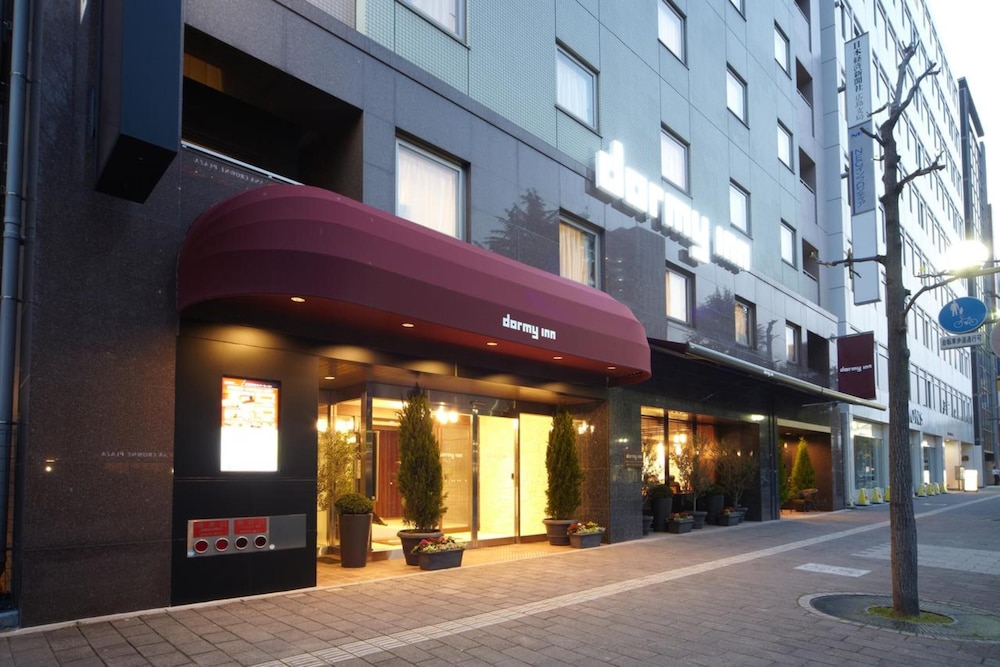
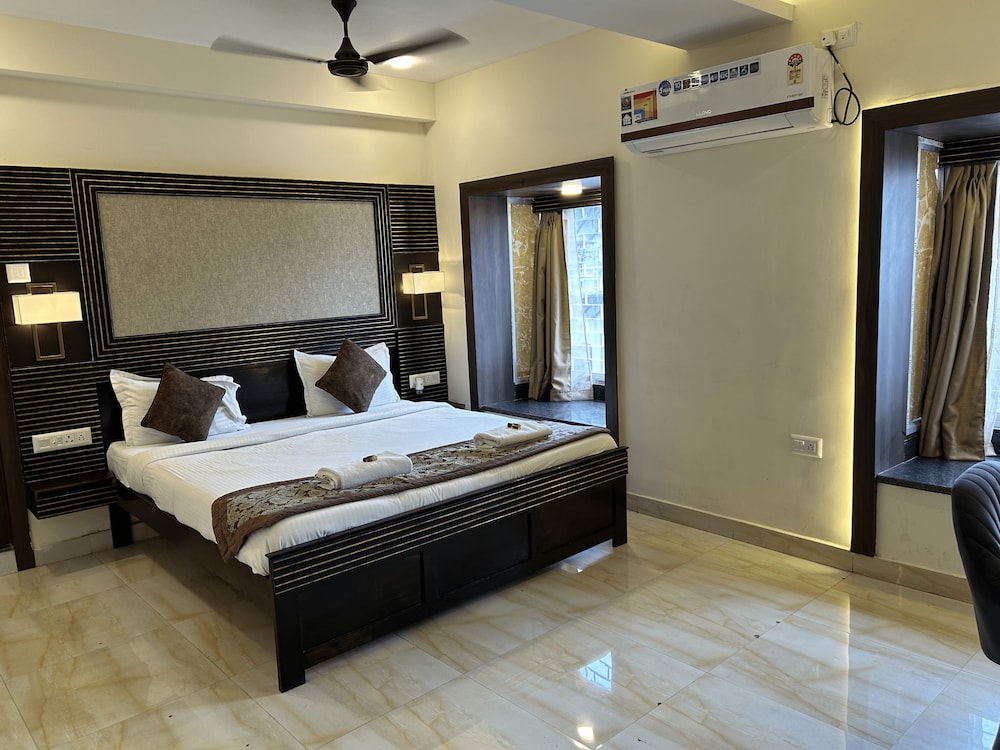
For South Park Street Cemetery, the nearest hotel area is Park Street, with 241 stays in the IMPT hotel database. Listed 5-star first, then 4-star, then by guest score; live prices open in the IMPT app.
5★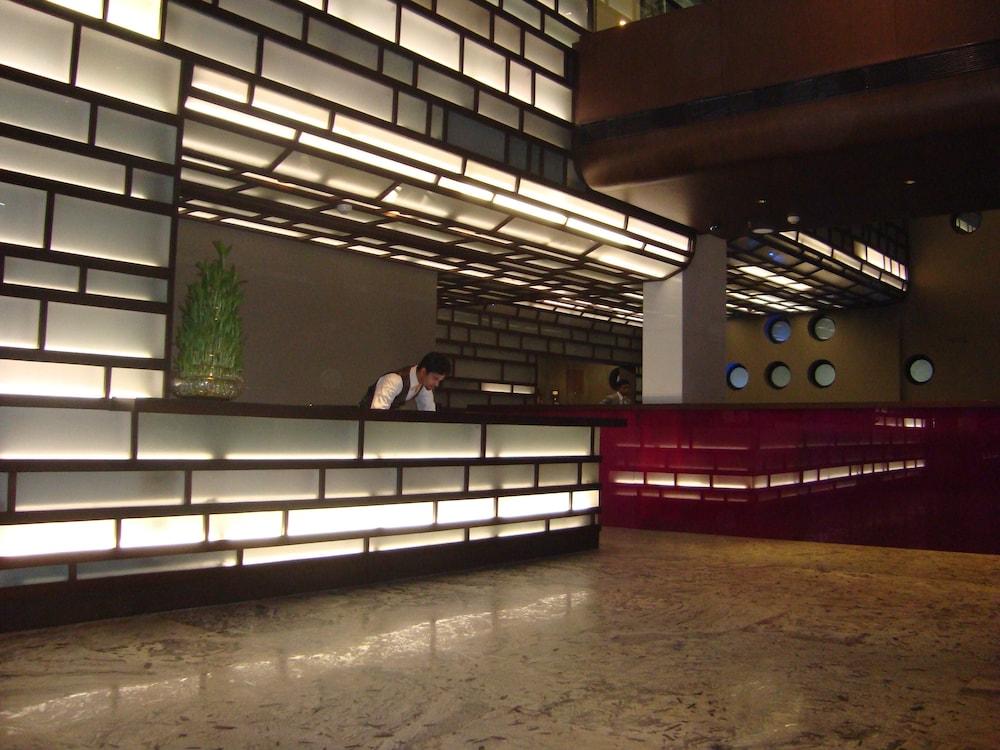 5★
 5★
 5★
 4★
 4★
FAQ
Where is South Park Street Cemetery?
South Park Street Cemetery stands on South Park Street, south of the Park Street restaurant strip, in central Kolkata. Park Street metro on the Blue Line is the nearest station, and taxis or app cabs can drop you at the gate. Sign the register at the entrance before walking in.
When was South Park Street Cemetery opened?
It opened in 1767 and is one of the earliest Christian burial grounds laid out away from a church. The oldest monuments date from the same period, and the ground was used steadily through the late eighteenth and early nineteenth centuries. The Christian Burial Board maintains it today.
Who is buried at South Park Street Cemetery?
The graves include Sir William Jones, founder of the Asiatic Society; Henry Louis Vivian Derozio, the poet and teacher linked to Young Bengal; and Charles Stuart, known as Hindoo Stuart. Company officials, surgeons, sea captains and their families fill the rest of the ground, many of them buried young.
How long does a visit to South Park Street Cemetery take?
Allow about an hour to walk the main paths and read a selection of inscriptions. Readers and photographers may want longer. The ground is small enough to cover comfortably in one visit, and there are no facilities inside the walls, so plan refreshments on Park Street afterwards.
Is South Park Street Cemetery free to enter?
Entry is recorded in a register at the gate rather than handled as an ordinary ticket counter. Check the current position with the Christian Burial Board, which maintains the ground, since arrangements can change for maintenance and around Christian festivals. Carry cash for the journey rather than for the gate.
Which metro station is nearest South Park Street Cemetery?
Park Street station on the Blue Line is the nearest, and the cemetery is a walk south from there. Maidan and Rabindra Sadan stations are also within reach. Check Metro Railway Kolkata for current services and hours, since lines and timings change as the network expands.
Can you take photographs at South Park Street Cemetery?
Personal photography is normally acceptable in the grounds. Ask at the gate before bringing in tripods, lights or professional equipment, and never photograph mourners or a service in progress. Check current rules with the Christian Burial Board, since conditions can change without notice.
Is South Park Street Cemetery safe to visit?
The ground is quiet and enclosed, and visits in daylight are straightforward. Carry mosquito repellent, wear closed shoes for uneven paths, and avoid the shaded corners after heavy rain. Go in daylight, keep to the paths, and take a cab back to Park Street in the evening.
What should you wear when visiting South Park Street Cemetery?
Wear closed shoes for uneven paths and rough grass, and light long sleeves if mosquitoes bother you. There is no dress code, but the ground is an active burial place, so modest, practical clothing suits the setting. Carry water in the hot months from March to May.
Read next
Sources: Christian Burial Board, West Bengal Tourism, Kolkata Municipal Corporation, Metro Railway Kolkata.
Editorial review: 3 November 2026. Opening days, fares and festival dates change; check before you go.
Photo credits: Ankur P from Pune, India, CC BY 2.0, via Wikimedia Commons.