
 3★
Howrah is the west bank district around Howrah station, one of India's busiest railway termini. It suits travellers with early trains and rail connections rather than sightseeing: the choice of places to stay is small and the main sights lie across the river. The Green Line metro, ferries and Howrah Bridge link it to central Kolkata.
Why stay in Howrah?
Howrah sits on the west bank of the Hooghly, directly across the river from central Kolkata. It is a working city in its own right, with markets, offices and dense street life around the station. The main reason to base yourself here is the railway: Howrah station is one of India's busiest, and staying nearby removes the bridge crossing from a departure morning. Park Street is roughly 3.6 km away in a straight line, though the road journey takes far longer in traffic.
The trade-off is choice. The number of places to stay is smaller than on the east bank, and the selection thins quickly away from the station. Evenings are quiet by central Kolkata standards. You cross the river for the Indian Museum, the Maidan, Park Street restaurants and the Victoria Memorial, using the Green Line metro, a ferry or a taxi. For a traveller with a train before dawn, that is usually a fair exchange.
- Early trains: Anyone catching a long-distance service before daylight avoids the bridge and the morning rush entirely.
- River and garden: The Botanic Garden at Shibpur and Belur Math are on this bank, so a quiet half-day needs no crossing.
- Short stays: Rooms near the station suit a single night between trains better than a full holiday.
How do you cross the river?
The Green Line of the metro runs under the Hooghly, linking Howrah Maidan and Howrah station on the west bank with Esplanade, Sealdah and Salt Lake Sector V on the east. The river tunnel opened in 2024. The crossing takes minutes and is unaffected by traffic on the bridges. Routes and station openings are still being extended, so check Metro Railway Kolkata before planning a journey. The metro station at Howrah sits close to the mainline terminus, so a change between the two is short.
The ferries are the pleasant option. Boats cross between Howrah and Babughat and Shobhabazar, with other services running along the river to Bagbazar, Dakshineswar and Belur. Above them, Howrah Bridge, or Rabindra Setu, has carried road traffic since 1943 and can be walked across. Vidyasagar Setu, the cable-stayed bridge opened in 1992, carries the southern traffic. Allow extra time at the morning and evening peaks, and ask at the ghat, since ferry times shift with the season.
- Green Line metro: The quickest crossing, running under the river between Howrah and Esplanade, Sealdah or Salt Lake.
- Ferry: Boats to Babughat and Shobhabazar are slow and inexpensive, and the river views are the point.
- Howrah Bridge: Walkable at any hour; the pavement is narrow and crowded at the morning peak.
- Vidyasagar Setu: The southern road bridge, useful for traffic heading towards Prinsep Ghat and the Maidan.
Is Howrah station easy to use?
Howrah station is vast, crowded and spread across many platforms, and it handles a large share of eastern India's long-distance traffic. Arrive well before departure, allow time to find the right platform, and keep your booking reference to hand. Timetables, platform allocations and booking rules change, so confirm them with Indian Railways or IRCTC rather than a notice board in the street. Some platforms serve long-distance trains and others suburban services, so read the displays.
Not every train uses Howrah. Sealdah, on the eastern side of the centre, and Kolkata station at Chitpur handle other services. Trains to Bolpur, the station for Shantiniketan, leave from Howrah, which makes the west bank convenient for that day trip. Check the departure station on your ticket before you book a room. Long-distance services fill up around festivals, so reserve early through IRCTC, and check whether a change of station is needed for onward connections.
What is there to see in Howrah?
The Acharya Jagadish Chandra Bose Indian Botanic Garden at Shibpur, founded in 1787, spreads along the river south of the bridge, and its Great Banyan is the reason many visitors come. Up river, Belur Math is the headquarters of the Ramakrishna Math and Mission, founded by Swami Vivekananda in 1897 and 1898, and a calm place to walk in the late afternoon. Both sit on the west bank. The garden is a large site, and the riverside paths are the best part of it.
The bridge is the other sight. Walk across from the Howrah end in the early morning, when the flower sellers are setting out at Mallick Ghat below the Kolkata side. The ghats along the Howrah bank are worth an hour, and the lanes behind the station show a busy river port that most visitors only pass through on the way to a train. Belur Math and the Botanic Garden are both a short ride from the bridge, so a half-day on this bank is easy to arrange.
- Botanic Garden: Founded in 1787 at Shibpur; the Great Banyan and the riverside paths are the draw.
- Belur Math: Ramakrishna Math and Mission headquarters up river; check opening hours and festival days.
- Howrah Bridge: Rabindra Setu, opened 1943, best walked early before the traffic builds on the deck.
- Mallick Ghat: The flower market under the Kolkata end of the bridge, busiest in the hours before dawn.
Where can you eat in Howrah?
Howrah eats early and simply. Around the station and along the main roads there are tea stalls serving bhanr, clay cups, along with telebhaja, kathi rolls, phuchka in the evening and sweet shops selling rosogolla and sandesh. Portions are generous and the cooking is aimed at people on their way to or from work. Carry cash, since cards and UPI are less useful at a roadside counter. Mornings are the busiest time, when standing counters fill with people eating before work.
For a sit-down meal, cross the river. Nizam's near New Market is credited with the original kathi roll, the Indian Coffee House on College Street serves coffee and snacks in a high-ceilinged room, and Park Street has Flurys, Peter Cat, Mocambo and Trincas. All are a short metro ride from Howrah station, which makes lunch across the river easy to fit into a day. Weekend evenings are busiest, and a table is easier to find at midday.
Getting around Howrah
Most of Howrah is walkable in the blocks around the station, though pavements are uneven and traffic is heavy. Auto-rickshaws run on fixed routes and are the usual way to cover a kilometre or two. Buses are frequent and crowded. Yellow Ambassador taxis and app cabs are easy to find, but ask for the meter or agree the fare before setting off, and expect the bridge approaches to be slow at any hour.
For longer hops the Green Line metro is quicker than the road, and the ferries help if your destination is near a ghat. Hand-pulled rickshaws still work parts of the old city on the east bank. The tram network has shrunk, so check before relying on it. Late at night, app cabs are easier to find near the station than in the residential lanes behind it. Street lighting varies, so keep to the main roads after dark.
Is Howrah a good base for sightseeing?
It depends on the trip. The Victoria Memorial, the Indian Museum, the Maidan, Park Street and BBD Bagh all sit on the east bank, a short metro ride away, and the metro removes the bridge traffic from the journey. That makes Howrah workable for a two or three day visit if you are happy to cross the river each morning. Staying near Park Street or Esplanade puts those sights within walking distance instead.
Howrah earns its place for rail journeys. Early departures, the Shantiniketan service to Bolpur and onward connections to other parts of eastern India all make the west bank practical, and a traveller whose itinerary is built around train times loses less of the day here. For a holiday of museums, food and markets, the east bank is the better base. Rooms near the station are in demand around Durga Puja, so plan well ahead if you travel then.
When is the best time to visit Howrah?
October to March is the comfortable stretch. December and January are coolest, with highs in the mid-20s Celsius, and February is pleasant for walking. April and May turn hot and humid, often above 35 Celsius, with evening thunderstorms known as kalbaishakhi. The monsoon runs roughly from June to September and is heaviest in July, when short downpours leave parts of the city waterlogged. Winter mornings can be hazy, and air quality is often poor until the afternoon.
For the Botanic Garden, the cooler months are better, and Belur Math is easier to enjoy outside the monsoon. Durga Puja falls in late September or October on dates that move each year, so check the current year's dates before booking. Kumartuli, the potters' quarter across the river, is busiest from July to September as the idols are made. The Christmas lights on Park Street run from mid-December to the New Year, which suits an evening across the river.
Hotels in Howrah
20 stays in the IMPT hotel database are in or near Howrah. Listed 5-star first, then 4-star, then by guest score; live prices open in the IMPT app.
3★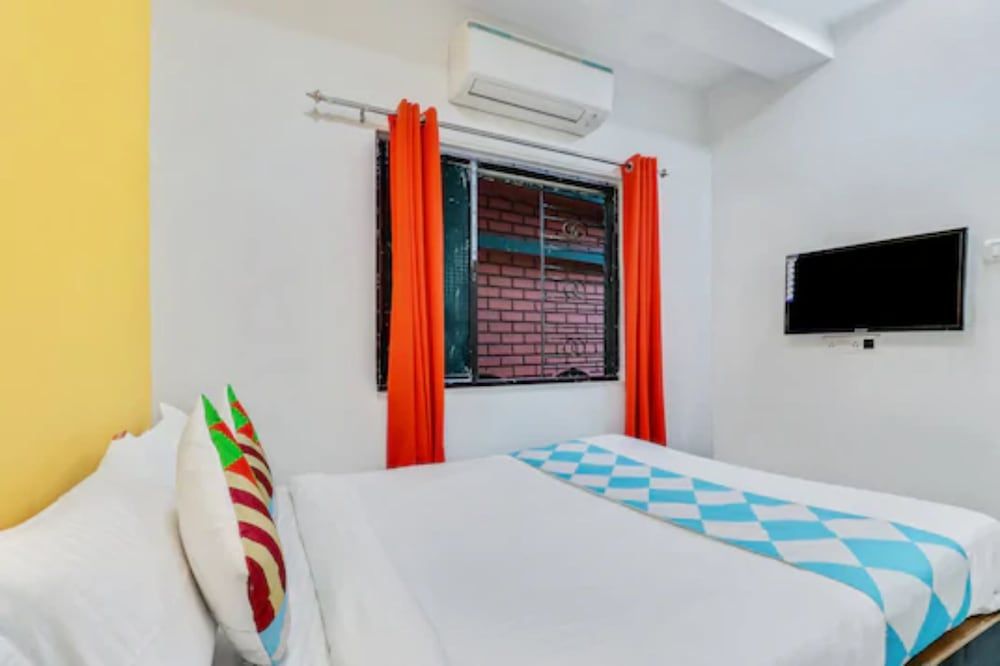 3★
 3★
 3★
 3★
 3★
FAQ
Is Howrah a good area to stay for a Kolkata visit?
It suits travellers with early trains from Howrah station, and anyone whose trip is built on rail connections. The choice of places to stay is smaller than on the east bank and the streets are quieter in the evening. Museums, Park Street and the Maidan are a short Green Line metro ride across the river.
How do you get from Howrah to Park Street?
The Green Line metro runs under the river from Howrah station to Esplanade, where you change to the Blue Line for Park Street. A taxi or app cab takes longer in traffic. The road distance is roughly 3.6 km. Check Metro Railway Kolkata for current interchange arrangements before travelling.
Which metro stations serve Howrah?
Howrah station and Howrah Maidan are both on the Green Line, the east-west route that passes under the Hooghly. From either you can reach Esplanade, Sealdah and Salt Lake Sector V without crossing a bridge. Lines and station openings are still being extended, so check Metro Railway Kolkata before you travel.
Can you walk across Howrah Bridge?
Yes, pedestrians share the bridge with traffic, and the walk from the Howrah end to the Kolkata end is short, though the pavement is narrow and crowded in the morning peak. Early morning is best, when the flower market at Mallick Ghat below the far end is at its busiest.
What is there to see in Howrah itself?
The Botanic Garden at Shibpur, with the Great Banyan, and Belur Math up river are both on the west bank. The bridge and the ghats along the Hooghly are worth an early walk. Most of the famous sights, including the Victoria Memorial and the Indian Museum, are across the river.
Are there ferries from Howrah across the Hooghly?
Ferries run between Howrah and Babughat and Shobhabazar, with other services along the river to Bagbazar, Dakshineswar and Belur. They are slow, inexpensive and often the most pleasant way to cross. Services are reduced in bad weather, so check at the ghat before you rely on one.
Where can you eat near Howrah station?
The streets around the station have tea stalls, sweet shops, kathi rolls and telebhaja, with phuchka in the evening. These are simple counters rather than restaurants, and cash is more useful than a card. For a sit-down meal, take the metro across the river to Park Street, New Market or College Street.
How much time should you allow for Howrah station?
Allow more than you would at a smaller terminus. The station is one of India's busiest, with several platforms and heavy road traffic on the approaches. Arrive well before departure, watch the platform displays and confirm timings with Indian Railways or IRCTC, as these change.
When is the best time to visit Howrah and the Botanic Garden?
October to March is the comfortable window, with the coolest weather in December and January. The Botanic Garden at Shibpur is best walked in those months. The monsoon, roughly June to September, brings waterlogging and heavy rain, and April and May are hot and humid.
Read next
Sources: Metro Railway Kolkata, Indian Railways (IRCTC), West Bengal Tourism, India Meteorological Department.
Editorial review: 3 November 2026. Opening days, fares and festival dates change; check before you go.
Photo credits: Bernard Gagnon, CC BY-SA 3.0, via Wikimedia Commons.