
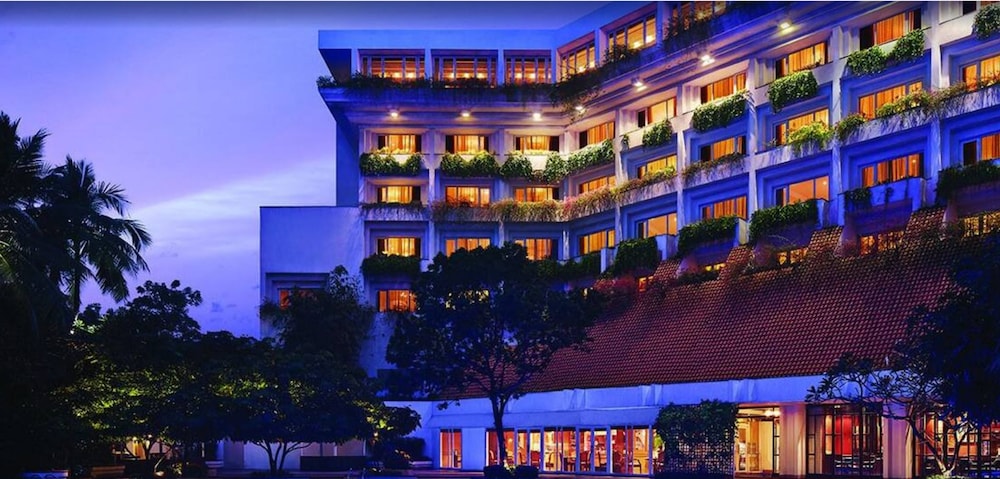
 5★
Kalighat is the temple district of Kolkata, about 3.8 km south of Park Street on Line 1 of the metro. Travellers base themselves here for the Kalighat Kali Temple, Nirmal Hriday and the older, devotional side of the city. Expect narrow lanes, early noise, street food and heavy crowds on festival days, with the Maidan and Park Street a few stops north.
Why stay in Kalighat?
Kalighat sits about 3.8 km south of Park Street on Line 1 of the metro, which makes it a practical base for travellers who want the temple district rather than the colonial centre. The neighbourhood grew around the Kali temple and still runs on pilgrimage: lanes fill before dawn, shops sell offerings and sweets, and the streets settle after the evening arati. The Maidan, Park Street and Esplanade are a short metro ride north.
Accommodation close to the temple is mostly modest and aimed at pilgrims, so travellers wanting larger hotels usually stay nearer Park Street or Salt Lake and visit Kalighat by metro. The trade-off is noise and crowds: conch shells, bells and loudspeakers start early, and the lanes around the temple are narrow and shared with hand carts and rickshaws. In return you get a walkable, working neighbourhood with the temple on the doorstep.
How do you visit Kalighat Kali Temple?
The present Kalighat Kali Temple dates from 1809 and is one of the Shakti Peethas, so it draws pilgrims all year. Arrive early in the morning, before the queue thickens, and expect to remove your shoes before entering the inner compound. Priests offer to guide visitors through the ritual for a donation; decline politely if a guide was not wanted. Temple hours and rules change, so check with the temple authorities before setting out.
Inside, the queue shuffles past smaller shrines before reaching the sanctum, where the black stone image of Kali is seen briefly. Photography is restricted in the inner areas, so ask before raising a camera and follow the notices on the walls. Touts and self-appointed guides work the approach lanes; agree nothing and keep bags closed. Below the temple, lanes lead to the ghats on the Adi Ganga, where the crowd thins.
- Start early: The queue is shortest soon after opening, and festival mornings are far busier than weekdays.
- Shoes off: Footwear comes off before the inner compound, so wear something easy to slip on and carry.
- Dress simply: Cover shoulders and knees; this is an active place of worship, not a monument.
- Ignore touts: Unsolicited guides and offering sellers work the approach lanes; buy nothing that was not planned.
- Camera rules: Photography is limited inside; ask first and never photograph worshippers without consent.
Nirmal Hriday and Mother Teresa
Beside the temple stands Nirmal Hriday, the home for the dying that Mother Teresa opened in 1952, the first of the Missionaries of Charity foundations. It is a working home, not a museum, and visitors are asked to keep quiet and respect the people being cared for. The order's mother house on AJC Bose Road, where Mother Teresa's tomb is kept, is the usual place for pilgrimage and for anyone asking about volunteering.
Arrangements at both places change, so confirm current visiting times and any conditions with the Missionaries of Charity rather than relying on older guidebooks. Photography inside is not appropriate, and neither is treating the residents as part of a sightseeing route. Visitors who want to help are usually directed to the mother house on AJC Bose Road, where the order explains what is needed and when. Keep any visit short, quiet and undemonstrative, and dress as you would for the temple next door.
What are Kalighat paintings?
Kalighat painting grew in the nineteenth century around the temple, where artists from rural Bengal settled to sell pictures to pilgrims and visiting Europeans. The painters worked quickly on mill paper with watercolour and cheap pigments, turning out images of Kali, Durga and Krishna alongside satirical scenes of Bengali gentlemen and British officials. Early examples are small and inexpensive, made for a popular market rather than a court. The style is recognisable for bold outlines, flat colour and a sharp eye for the ridiculous.
Cheap lithographs and printed images undercut the trade later in the century, and the workshops faded. The tradition is now kept alive by artists in and around Kalighat and in rural Bengal, and Kalighat-style pictures turn up in craft shops and exhibitions. For original examples, look at the Indian Museum and the Victoria Memorial, both a short metro ride away; collections and displays change, so check with each institution. Modern copies are sold as souvenirs, which matters little if the picture is bought as a reminder rather than an antique.
Where to eat around Kalighat
Eating around Kalighat is mostly street food and small sweet shops rather than restaurants. Expect phuchka, jhalmuri, telebhaja fried at the roadside, kathi rolls and bhanr tea in clay cups, with mishti doi and sandesh from the sweet counters near the temple. Vegetarian food is easy to find close to the temple, and the busiest stalls are the ones turning over quickly. Choose a stall with visible cooking and a queue of local customers.
For a sit-down meal, the old cafés and restaurants are north of here: Flurys, Peter Cat, Mocambo and Trincas on Park Street, Indian Coffee House on College Street, and Nahoum's in New Market, with Nizam's nearby for the kathi roll it is credited with. All are a short metro ride or cab away. Kalighat itself suits a quick, simple meal before or after the temple, and most places near the temple open early.
- Phuchka: The city's crisp hollow puri, filled at the stall and eaten in one bite, with tamarind and chilli.
- Jhalmuri: Puffed rice tossed with mustard oil, peanuts, onion and spice, sold in paper cones.
- Telebhaja: Vegetable fritters fried to order; best eaten hot, from a stall with steady trade.
- Mishti doi: Sweet set yoghurt in a clay pot, the usual finish to a Bengali meal or a temple visit.
- Bhanr tea: Tea in an unglazed clay cup, used once and broken, which flavours the drink.
Getting around Kalighat
Kalighat has its own stop on Line 1 of the metro, the north-south line that runs from Dakshineswar to Kavi Subhash, which puts Park Street, Esplanade and the Maidan within a few stops. Kalighat is about 3.8 km from Park Street by road, a distance that takes far longer in traffic than on the metro. Use the metro for the centre. Yellow taxis are metered, so insist on the meter; app cabs are easier to book than to find in the narrow lanes.
Metro lines in Kolkata are being extended, and new stations open in stages, so check Metro Railway Kolkata for current service before planning a route. On the surface, the roads around the temple carry heavy traffic, and pavements are uneven and often obstructed. Walking is the practical way to cover the temple lanes, Nirmal Hriday and the ghats, and crossings need care. Buses and auto-rickshaws on fixed routes serve the main roads, and the tram network has shrunk, so check before waiting for one.
What else is near Kalighat?
The temple district is compact, and most of it is covered on foot: the temple, Nirmal Hriday, the ghats on the Adi Ganga (Tolly's Nullah) and the lanes of shops selling offerings. North of Kalighat, the Maidan, Victoria Memorial and Park Street are within a few metro stops or a short cab ride, and the South Park Street Cemetery is close by. Mother House on AJC Bose Road is a short ride away, or a walk for those with time.
A single morning can pair Kalighat with other sites: the metro makes the Indian Museum, Esplanade and BBD Bagh straightforward, and the same line continues north to Shyambazar for North Kolkata. Travellers going further afield use Howrah and Sealdah stations for day trips, and the airport is on the northern side of the city. Allow for traffic when timing anything, and leave more room than seems necessary.
- Victoria Memorial: The marble memorial and its 64-acre grounds, a couple of metro stops north, closed on Mondays.
- Mother House: Mother Teresa's tomb and the Missionaries of Charity headquarters on AJC Bose Road, a short ride away.
- South Park Street Cemetery: Opened in 1767, the old burial ground holds grand colonial tombs among palms and moss.
- Park Street: Restaurants, cafés and Christmas lights, about 3.8 km north of Kalighat.
- Tolly's Nullah: The old Adi Ganga channel beside the temple ghats, crossed by small bridges.
When is the best time to visit Kalighat?
October to March is the comfortable stretch, with cool mornings and dry days, and it coincides with the busiest festival season. Durga Puja falls in late September or October, with lunar dates that move each year, and Kali Puja comes on the new-moon night of Diwali, when the Kalighat temple draws immense crowds. Check the current year's dates before planning around either. April and May are hot, with evening thunderstorms, and the monsoon from June to September brings waterlogging after heavy rain.
Whatever the season, mornings are the best time at the temple: shorter queues, cooler air and more room in the lanes. Carry water, wear shoes that come off easily and keep valuables out of sight. If the crowds are too much, the ghats and the lanes towards Tolly's Nullah give some relief, and the metro is a few minutes away when you have had enough. Winter mornings can be hazy, with poor air quality, and often clear by afternoon.
Hotels in Kalighat
113 stays in the IMPT hotel database are in or near Kalighat. Listed 5-star first, then 4-star, then by guest score; live prices open in the IMPT app.
5★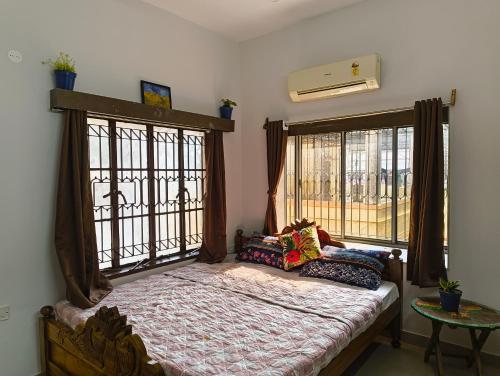 4★
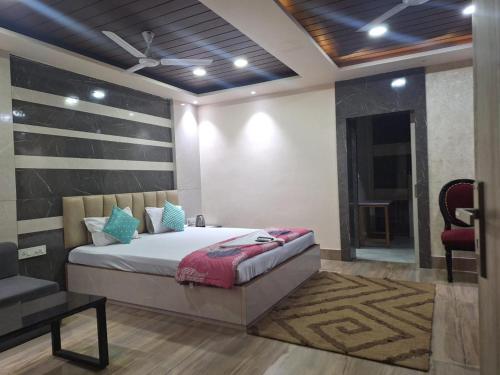 4★
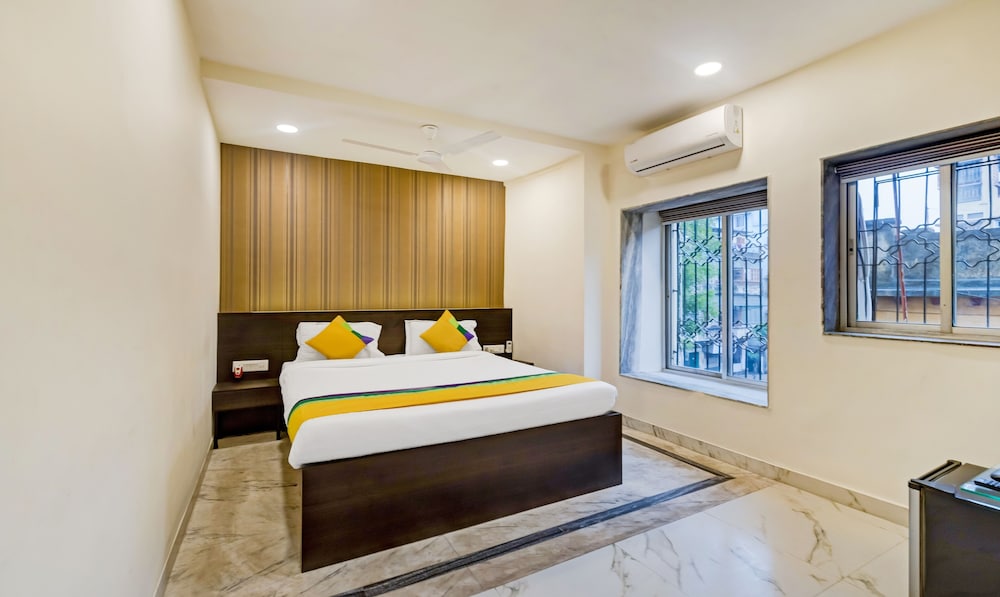 3★
Itsy Hotels Neeranand Plaza Bhawanipur
Kalighat, Kolkata · 3-starGuest score 4.4/5 · 284 reviewsSee live price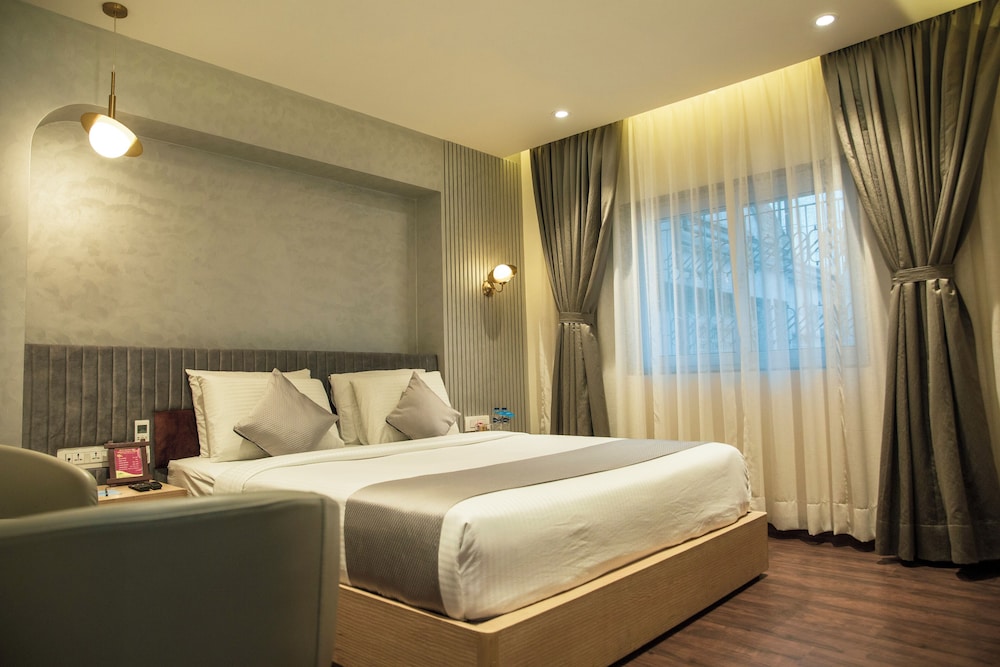 3★
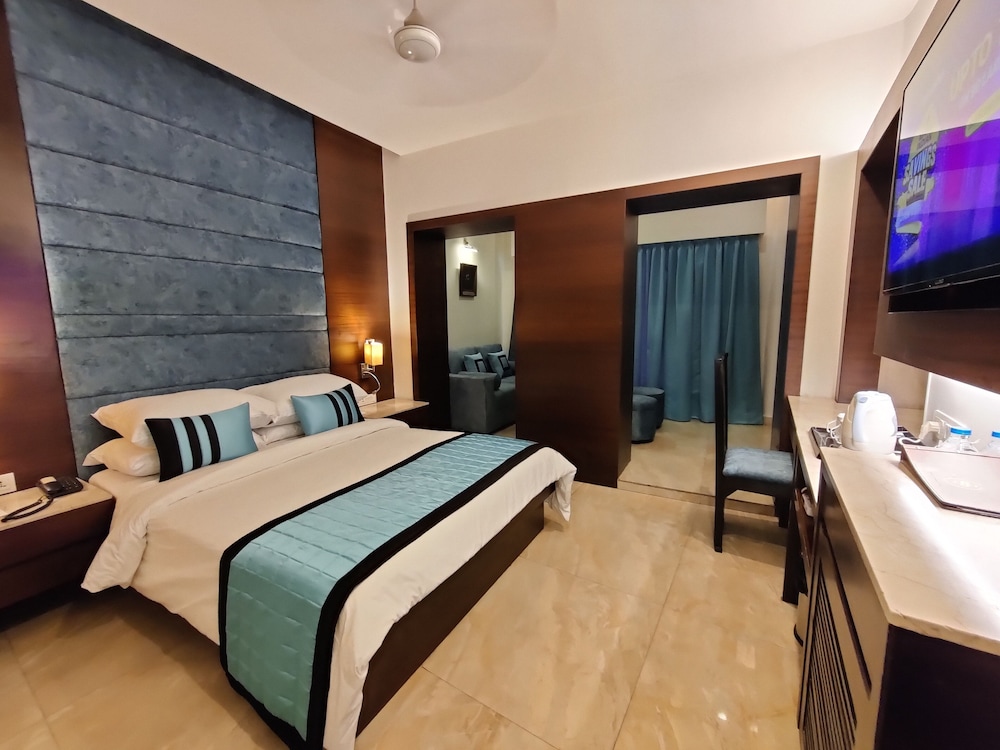 3★
FAQ
Which metro station serves Kalighat?
Kalighat has its own station on Line 1 of the Kolkata metro, the north-south line from Dakshineswar to Kavi Subhash. It puts Park Street, Esplanade, the Maidan and North Kolkata within a few stops. Services and station details change as lines are extended, so check Metro Railway Kolkata for current timings.
How far is Kalighat from Park Street?
Kalighat is about 3.8 km south of Park Street by road. The metro covers the same distance in a few stops on Line 1 and avoids the traffic, which can be heavy through the day. A yellow taxi is metered, so insist on the meter, and app cabs work but can be slow to reach the narrow lanes.
When is the best time of day to visit Kalighat Kali Temple?
Early morning is best at Kalighat: the queue is shorter, the air is cooler and the lanes are easier to walk. Festival days, especially Kali Puja, bring much larger crowds, so plan around them or arrive earlier still. Temple hours and queue arrangements change, so check with the temple authorities.
What should you wear at Kalighat Kali Temple?
Dress for an active place of worship rather than a monument. Covered shoulders and knees are the sensible rule at Kalighat, and loose cotton works better than anything tight in the heat. Footwear comes off before the inner compound, so wear something easy to slip off and carry a bag for it.
Can you take photographs inside Kalighat temple?
Photography is restricted in the inner areas of Kalighat temple, and notices on site set out what is allowed. Ask before raising a camera and never photograph worshippers without consent. The lanes and ghats nearby are easier for pictures. Rules change, so follow what the temple authorities and staff ask on the day.
What are Kalighat paintings?
Kalighat painting is a nineteenth-century style that grew around the temple, where artists sold pictures to pilgrims. The painters used bold outlines, flat colour and cheap watercolour on paper, turning out images of Kali and Durga along with satirical scenes of Bengali gentlemen and British officials. Original examples are held in Kolkata museums, and the style is still copied for sale.
What is Nirmal Hriday at Kalighat?
Nirmal Hriday is the home for the dying that Mother Teresa opened in 1952 beside the Kalighat temple, the first of the Missionaries of Charity foundations. It remains a working home, not a museum. Visitors are asked to be quiet and brief. The order's mother house on AJC Bose Road handles enquiries about visiting and volunteering.
Is Kalighat crowded during Kali Puja?
Yes. Kali Puja falls on the new-moon night of Diwali, and the Kalighat temple draws very large crowds through the night and the following day. Expect traffic restrictions and diversions, with walking the practical way in. Lunar dates move each year, so check the current year's dates and travel with patience and little luggage.
Is Kalighat a good area to stay in Kolkata?
Kalighat suits travellers who want the temple and a working neighbourhood rather than the colonial centre. Lodging near the temple is mostly modest, and larger hotels are nearer Park Street or Salt Lake. The metro makes the centre easy to reach, but noise starts early and the lanes are narrow, so light sleepers should weigh it up.
Read next
Sources: West Bengal Tourism, Metro Railway Kolkata, Kolkata Municipal Corporation, Kolkata Police.
Editorial review: 3 November 2026. Opening days, fares and festival dates change; check before you go.
Photo credits: Hiroki Ogawa, CC BY 3.0, via Wikimedia Commons.