
 5★
Kalighat Kali Temple is one of the 51 Shakti Peethas and one of Bengal's most visited shrines, with the present building dating from 1809. Allow about an hour. Arrive early in the morning for shorter queues, remove shoes before entering, leave cameras alone inside, and decline any panda who offers a quicker route in exchange for payment.
Why is Kalighat Temple important?
Kalighat is one of the 51 Shakti Peethas, the network of shrines linked to the goddess Sati, and for many Bengalis it is the most immediate of them all. The deity here is Kali, worshipped in the form known as Dakshina Kali, and the temple stands at the centre of a neighbourhood that grew up around it. Pilgrims come throughout the year, in the largest numbers around Kali Puja and the new-moon nights.
This is a working place of worship rather than a monument arranged for visitors. Expect crowds, damp floors near the sanctum, priests moving briskly between queues, and the smell of incense and marigold. Approach it as you would any active temple: slowly, quietly, and without blocking people who have come to pray. Allow about an hour, which covers the queue, the sanctum and a walk past the outer shrines.
How do you reach Kalighat Temple?
Kalighat metro station on the Blue Line is the nearest stop and puts you a short walk from the temple lanes. The line runs north to south through Dakshineswar, Shyambazar, Esplanade, Park Street, Maidan and Kalighat, so it is the simplest approach from the central districts, and the ride avoids the worst of the road traffic. Check Metro Railway Kolkata for current hours and any service changes before setting out.
Taxis and app cabs will drop you near the Kalighat crossing, though the roads around it are slow for much of the day. Auto-rickshaws run fixed local routes and are useful for the last part of the journey. The final stretch is through narrow lanes shared with shops, stalls and hand-pulled rickshaws, so allow a little time and keep an eye on the traffic.
- Metro: Kalighat station on the Blue Line is the closest stop, a short walk from the temple lanes.
- By taxi: Metered taxis and app cabs reach the Kalighat crossing, where traffic is slow through the day.
- By auto-rickshaw: Shared autos cover fixed routes nearby and help with the last part of the journey.
- On foot: The lanes near the temple are narrow and quickest on foot, especially in the morning.
What is the history of Kalighat?
The present temple dates from 1809. Pilgrimage to this stretch of the river is far older, and the shrine stood here while Calcutta was still a cluster of trading settlements downstream. The image of Kali, the bathing ghats and the road along the river made Kalighat a stopping point for travellers and villagers alike, and the neighbourhood took its name from the temple rather than the other way round.
Over the nineteenth century the city expanded south and west, and the quiet riverside village became an urban quarter. The old river channel silted, the roads filled with shops, markets and tenements, and the temple found itself surrounded by the modern city rather than sitting at the edge of it. What has not changed is the rhythm of the shrine: offerings through the day, heavier crowds on auspicious dates, and a constant trade in flowers, sweets and ritual items at the gate.
What will you see inside the temple?
The compound is compact and the route through it is short. You leave your shoes at the counter, pass the stalls selling garlands and offerings, and join the line that leads toward the sanctum where the image of Kali is kept. Priests take offerings and hand back prasad. Close to the sanctum the pressure of people is greatest, and staff keep the line moving at a fair pace.
Smaller shrines stand around the main temple, some of them far quieter than the central queue, and a tank forms part of the complex. Photography is not allowed inside, so the visit is a matter of looking. Keep bags in front of you, carry little, and expect to stand close to strangers for however long the queue takes. The lanes outside sell flowers, clay lamps and sweets for offerings.
- Main sanctum: The queue ends at the sanctum, where the image of Kali is kept and offerings are handed over.
- Outer shrines: Several smaller shrines stand within the compound and are usually far quieter than the main line.
- Shoe counter: Shoes come off before entry and are left at the counter; keep your valuables with you.
- Flower stalls: Garlands of marigold and hibiscus are sold at the gate and carried in as offerings.
How do you handle queues and pandas?
Queues at Kalighat are long at the best of times and very long on new-moon days, during Kali Puja and at weekends. Early morning is usually the calmest window, and a weekday is easier than a festival. Plan for the wait rather than trying to avoid it: carry water, keep bags closed, and decide in advance how long you are willing to stand. If the line reaches far outside the gate, a shorter visit on another morning is often the better choice.
Pandas, the priests who work at the temple, may offer a quicker route to the sanctum in exchange for payment. Decline politely and stay in the official queue. A short refusal and a step back is usually enough, and there is no obligation to explain yourself or to accept a guide you did not ask for. Offers made outside the gate deserve the same answer.
It also helps to know what the queue is for. Darshan, the sight of the deity, is brief, and the line moves in bursts rather than steadily. Keep moving once you are near the front, keep your hands free, and follow the instructions of temple staff, who manage the crowd on busy days. Crowd arrangements change, so follow what is displayed at the gate and what the staff say on the day.
- Arrive early: Mornings are calmer, and the queue is shortest before the day's crowds build.
- Decline politely: A quiet refusal and a step back is enough when a panda offers paid fast access.
- Festival dates: New-moon days and Kali Puja bring the longest lines; check the current year's dates.
- Stay together: Keep your group close and agree a meeting point outside the gate before joining the line.
What are the temple rules?
Shoes come off before entry and photography is not allowed inside. Dress modestly, covering shoulders and knees, and avoid anything brief or beach-like. Do not touch offerings, do not point your feet toward the shrines, and do not photograph worshippers even where a camera is permitted. Follow the direction other people are walking around a shrine, and step aside rather than stopping in the middle of a moving line.
Rituals on some days include animal sacrifice, which can be unsettling for visitors who have not met it before. It takes place at set times and is a religious practice rather than a spectacle. If it is not something you wish to see, ask temple staff about timings and come at another hour. Nobody expects outsiders to watch, and a quiet exit is entirely acceptable.
Kalighat paintings and Nirmal Hriday
In the nineteenth century, artists working in the lanes around the temple made Kalighat pats: bold, quickly painted pictures on paper sold to pilgrims as souvenirs. Subjects ran from Hindu deities and scenes from the epics to satirical drawings of colonial Calcutta life. The style was later collected and widely imitated, and examples appear in museum collections in Kolkata and beyond. The name of the neighbourhood travelled with the pictures.
Nirmal Hriday, the home for the dying opened by Mother Teresa's Missionaries of Charity, stands close to the temple. It remains a working care facility rather than a place for sightseeing, and casual entry is not part of its purpose. Walk past quietly. Travellers who want to understand the Mission's work usually go to the Mother House on AJC Bose Road, where visitors are received.
When is the best time to visit?
Allow about an hour for Kalighat, and come early. The temple is usually at its quietest early in the morning and again in the middle of a weekday afternoon, while weekends and festival days bring the heaviest crowds. October to March is the most comfortable weather for standing outside, April and May are hot and humid, and the monsoon months bring waterlogging in the lanes nearby.
Kalighat combines well with the rest of south Kolkata. The metro puts Park Street, the Maidan and Rabindra Sadan within a few stops, so a morning at the temple can be followed by the Indian Museum or a walk along the river at Prinsep Ghat. Kali Puja, on the new-moon night of Diwali, is the busiest and most colourful time; dates move each year, so check the current year's calendar.
Hotels in Kalighat
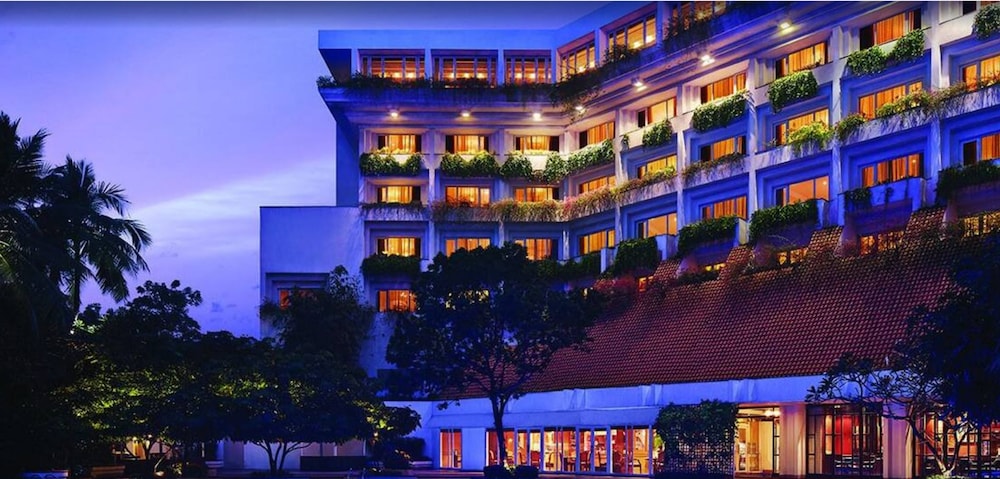
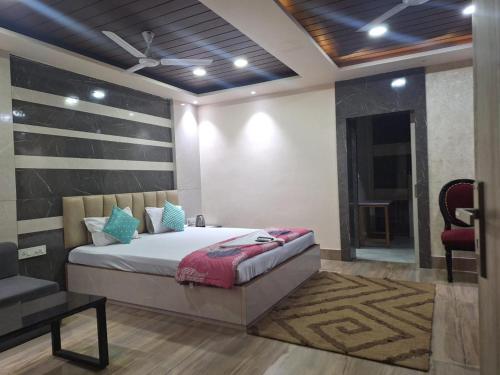
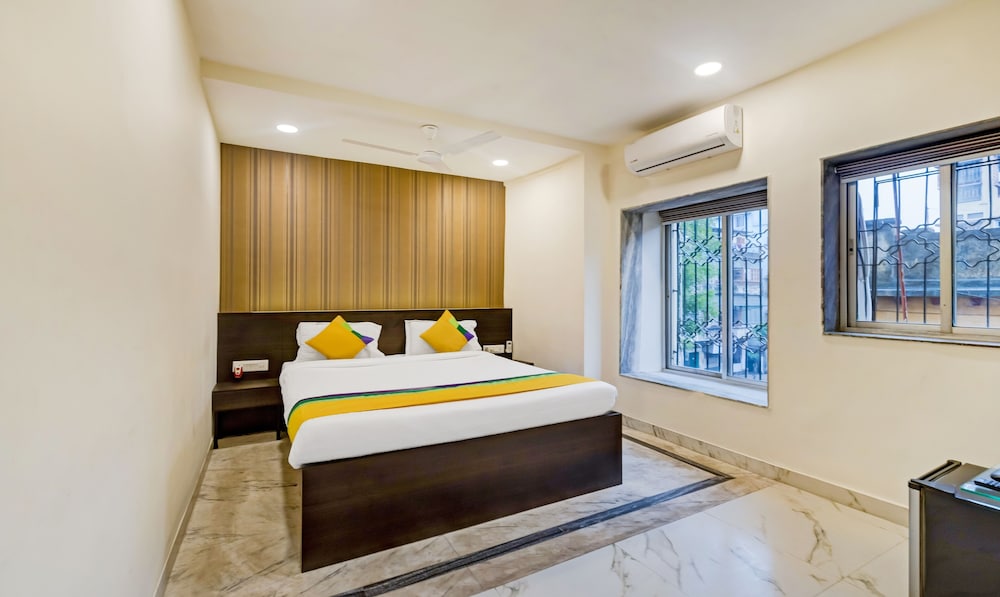
For Kalighat Temple, the nearest hotel area is Kalighat, with 113 stays in the IMPT hotel database. Listed 5-star first, then 4-star, then by guest score; live prices open in the IMPT app.
5★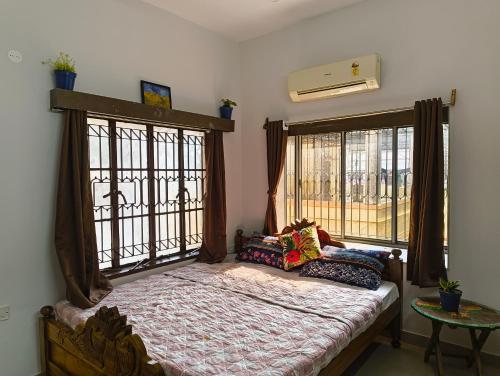 4★
 4★
 3★
Itsy Hotels Neeranand Plaza Bhawanipur
Kalighat, Kolkata · 3-starGuest score 4.4/5 · 284 reviewsSee live price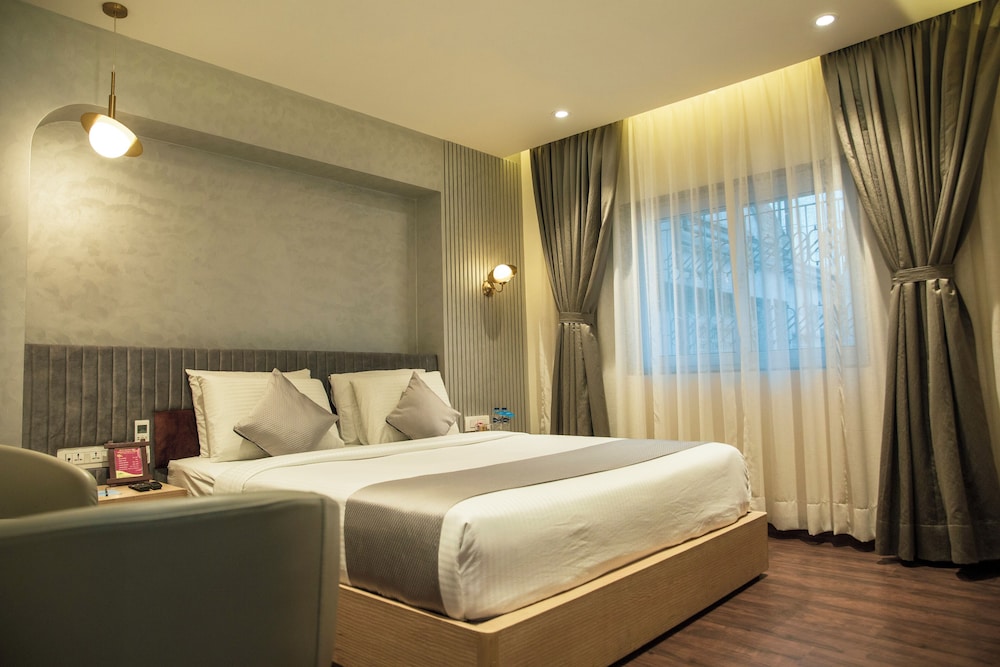 3★
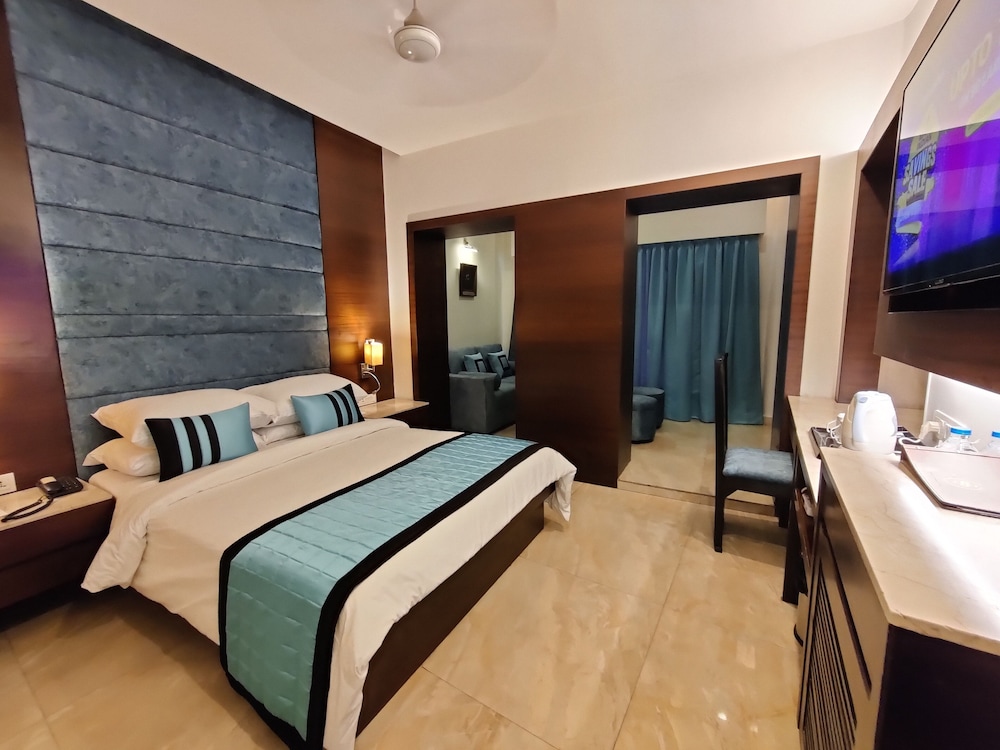 3★
FAQ
How long does a visit to Kalighat Temple take?
Allow about an hour. That covers the queue, a short darshan at the sanctum and a walk past the outer shrines. On festival days and new-moon dates the line can take far longer, so leave extra time or choose another morning. The lanes around the temple are worth a few minutes as well.
Which metro station is nearest to Kalighat Temple?
Kalighat station on the Blue Line is the closest. The line runs north to south through Shyambazar, Esplanade, Park Street and Maidan, so it is a straightforward ride from the central districts. Check Metro Railway Kolkata for current hours and any service changes, since the network is expanding.
Should you accept a panda's offer of faster entry at Kalighat Temple?
It is better to decline politely and stay in the official queue. Pandas are the temple priests, and some offer a quicker route in exchange for payment, particularly when the line is long. A short refusal and a step back usually settles it. Offers made on the street outside deserve the same answer.
When is the quietest time to visit Kalighat Temple?
Early morning is generally calmest, and a weekday is easier than a weekend. New-moon days, Kali Puja and the days around Durga Puja bring the biggest crowds, as do festival evenings. If the queue reaches well outside the gate, another morning is the better plan. Weather is most comfortable between October and March.
Is there a dress code at Kalighat Temple?
There is no formal dress code posted for visitors, but modest clothing is expected. Cover shoulders and knees, and avoid anything brief. Shoes come off before entry and are left at the counter outside, so wear something easy to slip off. Carrying a light bag rather than a large one makes the queue simpler.
Does Kalighat Temple practise animal sacrifice?
Yes, on certain days, as part of the rituals attached to the shrine. It takes place at set times and is a religious practice, not a display for visitors. If it is not something you wish to see, ask temple staff about timings and visit at another hour. Nobody expects outsiders to watch.
What are Kalighat paintings (Kalighat Temple)?
Kalighat pats are pictures made in and around the temple in the nineteenth century and sold to pilgrims as souvenirs. Artists worked quickly on paper, painting deities, epic scenes and satirical views of colonial Calcutta. The style influenced later Bengali art, and examples are held in museum collections in the city.
Can you visit Nirmal Hriday near Kalighat Temple?
Nirmal Hriday is a working home for the dying run by the Missionaries of Charity, standing close to the temple. It is not open to casual visitors. Those interested in the order's work usually go to the Mother House on AJC Bose Road, where visitors are received; check current arrangements before travelling.
Read next
Sources: West Bengal Tourism, Kolkata Municipal Corporation, Metro Railway Kolkata.
Editorial review: 3 November 2026. Opening days, fares and festival dates change; check before you go.
Photo credits: Ankur P from Pune, India, CC BY 2.0, via Wikimedia Commons.