
 5★
Mother House at 54A AJC Bose Road is the headquarters of the Missionaries of Charity, the order Mother Teresa founded in 1950. Visitors come for her tomb in the chapel, her preserved room and a small museum about the order's work. Hours are limited and the house has closed on Thursdays, so confirm before travelling. Allow about an hour.
What is Mother House?
Mother House at 54A AJC Bose Road is the mother house, or headquarters, of the Missionaries of Charity, the order Mother Teresa founded in 1950. It is a working convent rather than a museum with a ticket desk: sisters live here, pray here and run the order's affairs from here. A small part of the building is open to visitors who come to see the tomb, the room where she lived and a modest display about the order's work.
Mother Teresa came to Calcutta in 1929 to teach at a convent school in Entally, left in 1948 to work in the slums, and founded the Missionaries of Charity two years later. The order grew into a worldwide network of homes for the dying, the destitute and the abandoned, and she received the Nobel Peace Prize in 1979. She died at the house in September 1997 and was canonised in 2016.
Where is Mother Teresa's tomb?
The tomb lies inside the main chapel, where the sisters gather for Mass and for the prayers that structure their day. Visitors file past it during open hours, often in a short queue that moves quickly. The setting is plain and the room is quiet. It is a place of active worship as much as a monument, so keep conversation to a murmur and give way to anyone who is praying.
The chapel is open to visitors rather than roped off, and there is no barrier between the aisle and the tomb. Some people stand for a while, others kneel or sit at the back. If a service is under way, wait quietly at the rear until it ends instead of walking through the middle of it. The atmosphere comes from the sisters' routine, not from any display. Nothing here is staged for visitors.
- The tomb: A plain slab in the chapel marking where Mother Teresa is buried, and the focus of most visits.
- The chapel: Still used for Mass and daily prayer, so visitors share the space with the sisters and their routine.
- Her room: A small bedroom kept as it was, viewed from the doorway, with her bed and desk.
- The museum display: Panels and cases with photographs, letters and objects that set out the order's history and its founder's life.
When can you visit Mother House?
Opening times are limited and they change, so treat any timetable found online as a rough guide rather than a promise. The house has kept short windows in the morning and afternoon, and it has closed to visitors on Thursdays in the past. Confirm directly with the Missionaries of Charity before setting out, especially if the visit matters to you, and plan the day so that a closed door does not spoil it.
Closures also happen for feast days, community events and periods when the sisters need quiet. Sunday mornings are taken up with Mass and with visitors, and Christian holidays draw larger numbers. Weekday mornings tend to be calmer than weekends. If you are in the city for several days, keep the visit flexible and take it when the doors are open rather than fixing a date in advance and hoping.
What are the rules inside?
The house asks visitors for silence, modest dress and respectful behaviour. Covered shoulders and knees are the safe standard, and shoes may need to come off at the chapel door. Photography is restricted in some areas and not allowed in others, so follow the signs and any instruction from the sisters rather than copying what other visitors are doing. Phones go on silent, and the chapel is not a photo opportunity.
Groups should stay together and keep their voices low. Only the parts of the building open to visitors are open; the rest is a working convent, and corridors and staircases are sometimes closed off. If you arrive during prayer, wait or come back later. A visit takes about an hour at a slow pace, and there is no need to rush the rooms that are open.
- Dress modestly: Cover shoulders and knees; loose, plain clothing suits the setting better than holiday clothes.
- Keep quiet: The chapel and corridors are places of prayer, so silence phones and speak softly throughout.
- Ask about cameras: Photography is allowed in some areas and not in others; follow signs and the sisters' instructions.
- Do not wander: Only the visitor areas are open; the rest of the building is a working convent with private rooms.
- Remove shoes: Footwear may need to come off at the chapel entrance, so check at the door before stepping in.
What is in the museum?
The small museum is a set of panels and a few cases rather than a formal exhibition. Photographs, letters and a handful of objects trace Mother Teresa's life from Skopje to Calcutta and the spread of the order around the world. Reading it takes fifteen minutes or so, longer if you stop at every photograph. It supplies the context that the chapel alone does not, and it is worth the time either before or after the tomb.
Her room is preserved and viewed from the doorway: a narrow bed, a desk, a chair and very few possessions. It is the plainest part of the visit and often the part people remember. Standing there, the scale of what she gave up is easier to grasp than from any panel of text. Keep the queue moving and let others have their turn at the door.
How do you get to Mother House?
Mother House stands on AJC Bose Road, the broad road that runs south from the city centre towards Ballygunge and Gariahat. A yellow taxi or an app cab is the simplest way from Park Street, Esplanade or Sudder Street; ask for Mother House at 54A AJC Bose Road and keep the address written down. Traffic on the road is heavy through much of the day, so allow slack at both ends of the trip.
The nearest metro stations are Maidan and Rabindra Sadan on the Blue Line, both a walk or a short cab ride away. Buses run along AJC Bose Road, and any hotel desk can point you to the right one. From Sealdah the ride is straightforward by cab; from Howrah, cross the river first and continue by taxi or metro.
- By metro: Maidan and Rabindra Sadan on the Blue Line are the closest stations; check Metro Railway Kolkata for lines and hours.
- By cab: Yellow taxis and app cabs are easiest; give the address as 54A AJC Bose Road and insist on the meter in a yellow taxi.
- By bus: Routes run along AJC Bose Road; ask which stop is nearest for the direction you are travelling.
- On foot: The pavement outside is busy and short on shade, so carry water in the hot months.
Can you volunteer at Mother House?
Volunteers are taken on by the Missionaries of Charity itself, not through agencies or agents. Enquiries are made at the house, usually at set times, and you will be asked how long you can stay and what work you can do. Places are not guaranteed and depend on what the order needs at the time. Anyone who asks for money to arrange a placement is not acting for the sisters.
Work is in the order's homes across the city, including Nirmal Hriday, the home for the dying beside Kalighat temple that Mother Teresa opened in the 1950s. Duties are practical: helping with meals, washing, company and basic care. A commitment of some weeks is more use than a single morning. Ask the sisters about current arrangements and any health requirements before you plan.
What should you pair with a visit?
The house sits between the centre and the southern neighbourhoods, which makes it easy to combine with other stops. Park Street and Esplanade are close, and Kalighat temple with Nirmal Hriday is a short ride south. The South Park Street Cemetery and St Paul's Cathedral sit on the way back towards the Maidan, so a half day can hold all of it without hurrying.
Allow an hour for the visit and put it early, when the city is cooler and the house is quieter. Do not crowd the rest of the day. The visit is slow by nature, and a rushed stop undercuts it. A late breakfast, the house, then a walk across the Maidan makes a sensible morning, with Park Street for lunch and the Indian Museum for the afternoon.
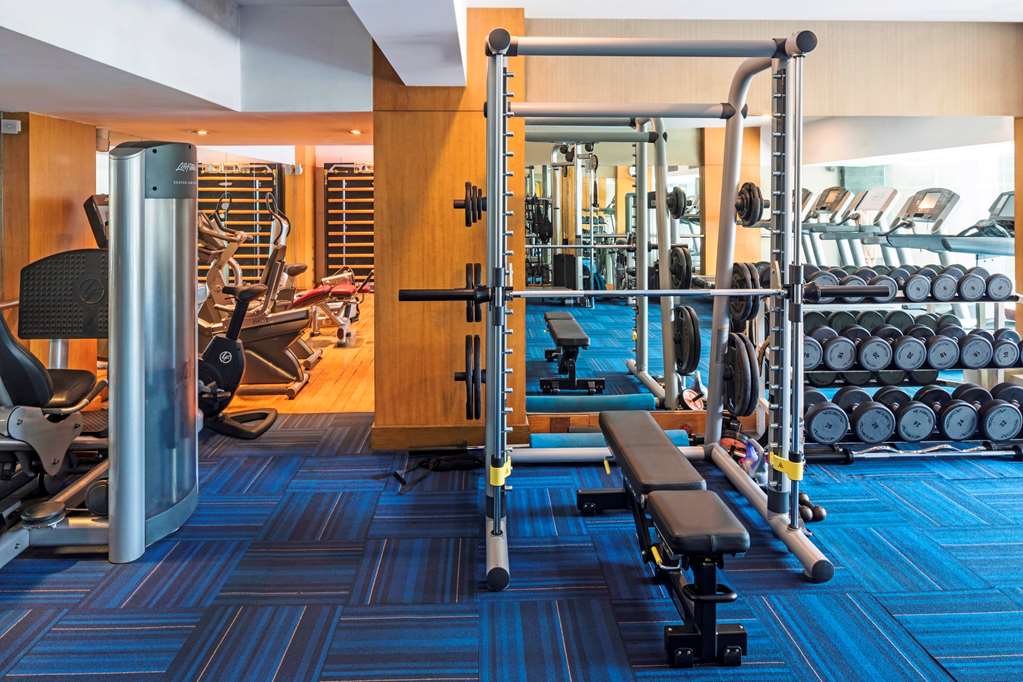
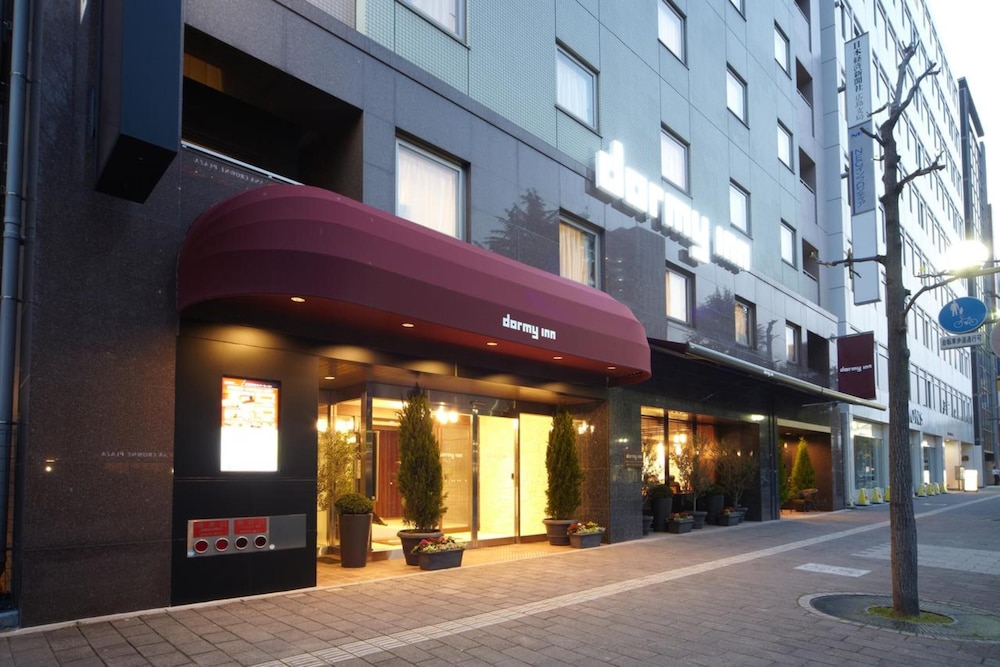
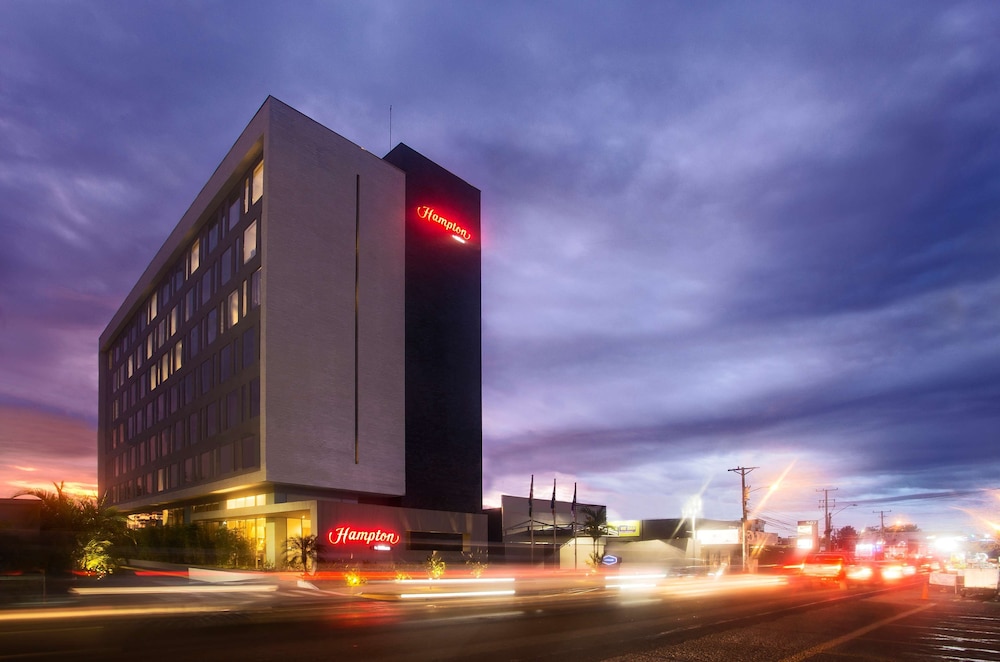
Hotels in Park Street
For Mother House, the nearest hotel area is Park Street, with 241 stays in the IMPT hotel database. Listed 5-star first, then 4-star, then by guest score; live prices open in the IMPT app.
5★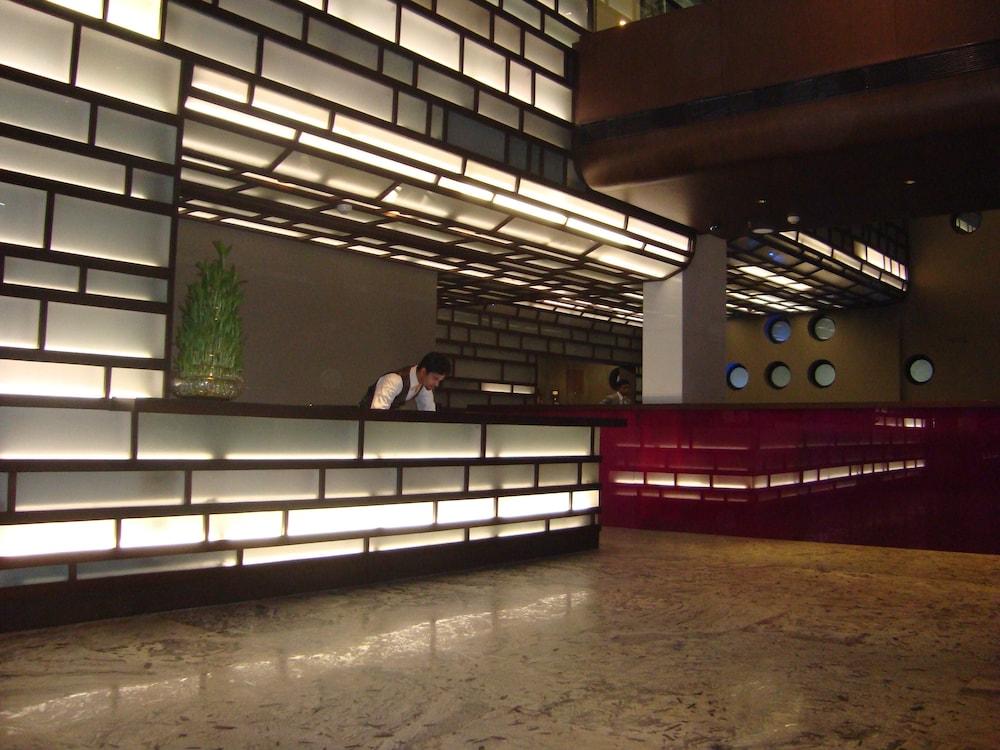 5★
 5★
 5★
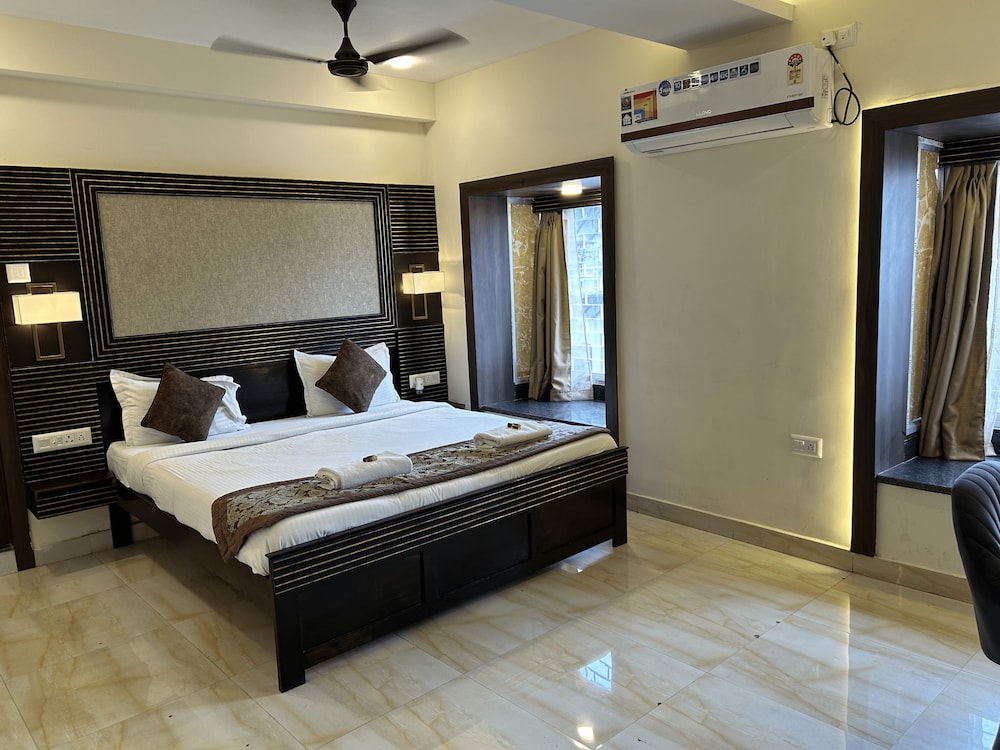 4★
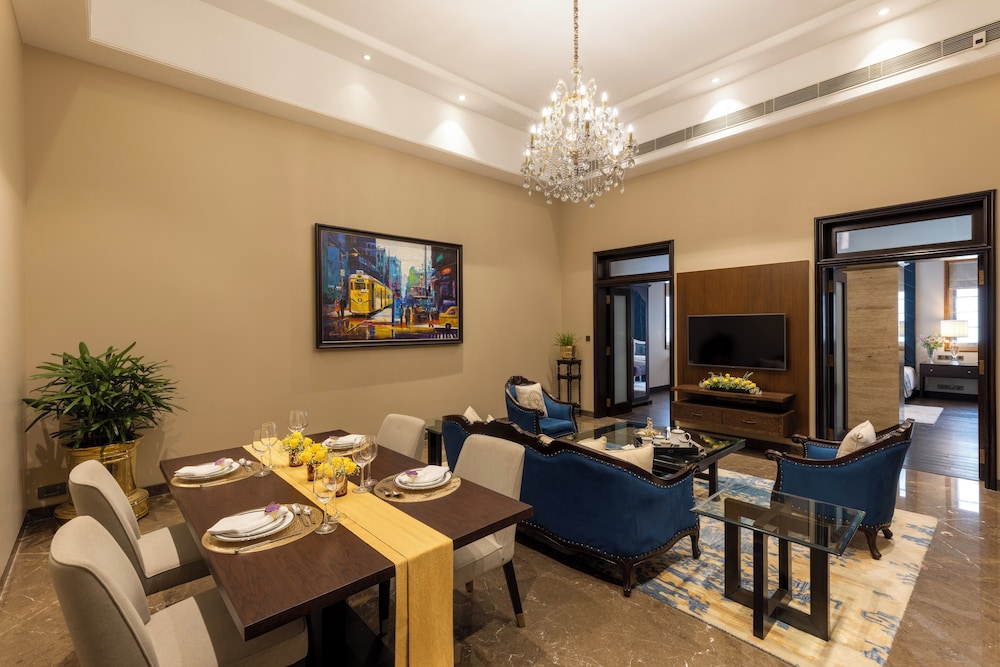 4★
FAQ
Is Mother House open every day?
No. Visiting hours are limited, and the house has closed to visitors on Thursdays in the past. It also closes for feast days and community events. Check the current timings with the Missionaries of Charity before you travel, and keep the visit flexible so that a closed door does not spoil the day.
Where is Mother Teresa's tomb at Mother House?
The tomb is inside the main chapel of the house at 54A AJC Bose Road, where the sisters gather for Mass and prayer. Visitors file past it during open hours. It is a working chapel rather than a sealed monument, so keep quiet and give way to anyone who is praying.
How long does a visit to Mother House take?
Allow about an hour. That covers the chapel and the tomb, her preserved room and the small museum, with time to sit quietly. Queues are usually short, but a service in the chapel can mean waiting at the back until it ends. Add travel time, since AJC Bose Road is often slow.
Do you need to book to visit Mother House?
No booking is needed for individual visitors during open hours. Groups should contact the Missionaries of Charity in advance so the sisters know to expect them. Confirm the current arrangements directly with the house, because access changes with the order's routine and the church calendar.
Can you take photographs at Mother House?
Only in some areas. Photography is restricted or not allowed in parts of the house, and the sisters' instructions take priority over what other visitors are doing. Look for signs at the entrance, keep phones on silent and put the camera away during prayer.
What should you wear to Mother House?
Modest, plain clothing. Cover shoulders and knees, and avoid beachwear or anything very short. Shoes may need to be removed at the chapel door, so footwear that slips off easily helps. The house is a convent, and the dress code is part of the respect it asks of visitors.
How do you volunteer at Mother House?
Apply to the Missionaries of Charity directly, at the house on AJC Bose Road, where enquiries are handled at set times. You will be asked about the time you can commit and the work you can do. Placements depend on the order's needs and are not guaranteed. No agency or agent is involved.
How do you reach Mother House from Park Street?
Take a yellow taxi or an app cab; the ride is short but can be slow in traffic. Ask for Mother House at 54A AJC Bose Road. By metro, Maidan and Rabindra Sadan on the Blue Line are the closest stations, with a walk or a short cab ride at the other end.
What is the link between Mother House and Nirmal Hriday?
Nirmal Hriday is the order's home for the dying beside Kalighat temple, opened by Mother Teresa in the 1950s. Mother House is the headquarters from which the order's homes, including Nirmal Hriday, are run. Volunteers are often placed there, and the two are usually combined in one day.
Read next
Sources: Missionaries of Charity, West Bengal Tourism, Metro Railway Kolkata, Kolkata Municipal Corporation.
Editorial review: 3 November 2026. Opening days, fares and festival dates change; check before you go.
Photo credits: Ryan Hartman, CC BY-SA 3.0, via Wikimedia Commons.