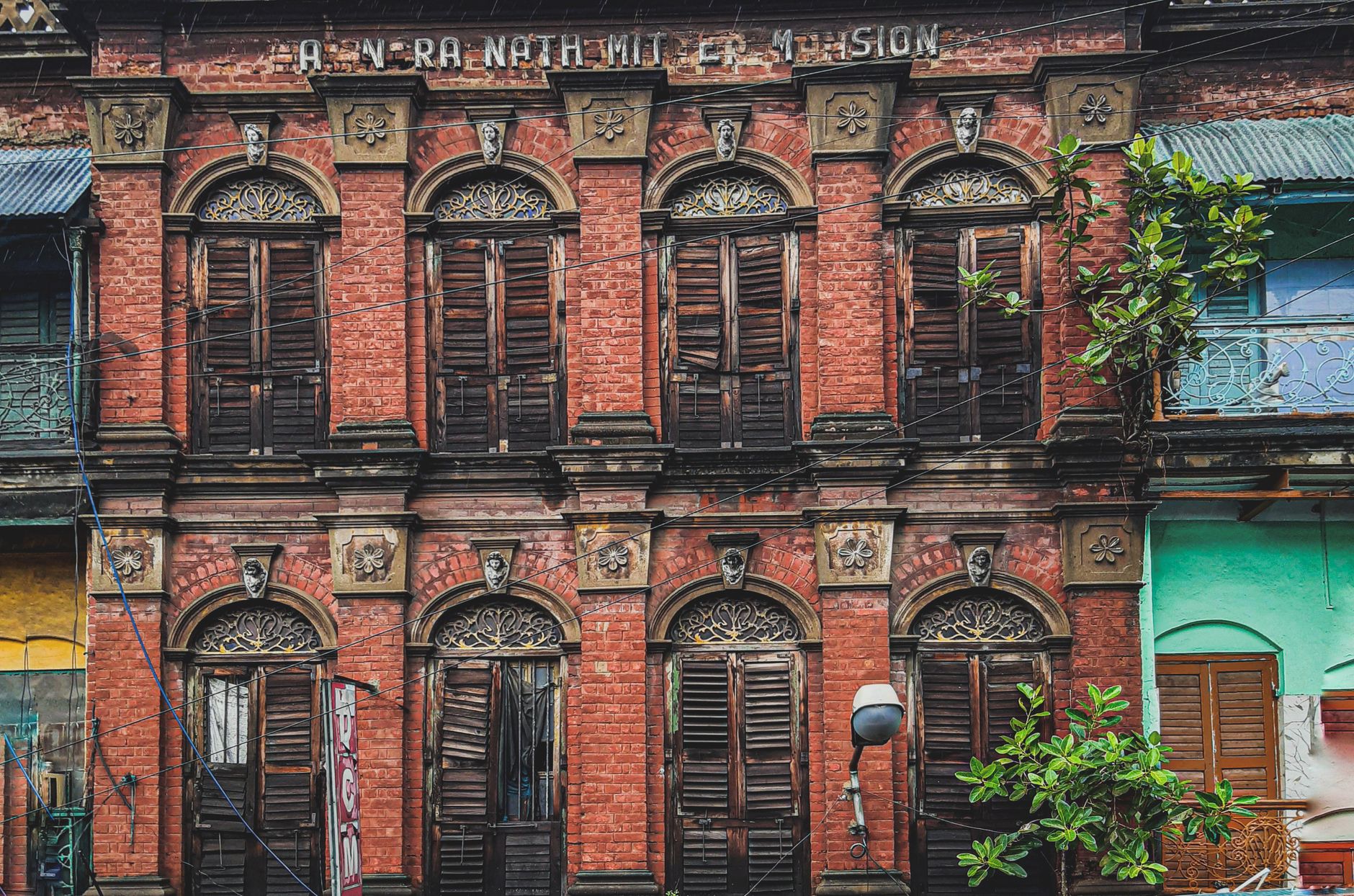
North Kolkata suits travellers who want old mansions, Kumartuli's idol workshops, College Street bookshops and the ghats at Bagbazar. South Kolkata suits those who prefer Rabindra Sarobar's lake, Gariahat shopping, Kalighat temple and a wider choice of places to eat and stay. Central Kolkata, around Park Street and Esplanade, balances both on the Blue Line.
Which side suits which traveller?
The choice between north and south Kolkata comes down to what you want from a day. North Kolkata holds the old merchant mansions, the potters' quarter at Kumartuli, the Tagore family home at Jorasanko and the river ghats at Bagbazar. South Kolkata holds Rabindra Sarobar's lake, the Gariahat shopping streets, Kalighat temple and a dense spread of cafés and restaurants. Both are residential, both sit on the metro, and neither is a single sight.
Think of the two as different paces rather than different cities. The north rewards walking, with narrow lanes, old houses and ghats that open onto the Hooghly. The south rewards lingering, with a lake circuit, market streets and long lunches. If you have three days, the practical answer is to base yourself centrally or in the south and give the north a full morning. Most visitors find that pattern covers the main sights without long crossings in traffic.
What defines North Kolkata?
North Kolkata is the older city, the part that grew around the Hooghly in the eighteenth and nineteenth centuries. Its landmarks are domestic rather than monumental: the courtyard houses of Shobhabazar, the Marble Palace of 1835, the lanes around Jorasanko Thakurbari, and the ghats at Bagbazar where ferries still cross to the other bank. Walking is the best way to see it, with a map and comfortable shoes. Allow half a day at least, and more if Kumartuli and College Street are on your list.
Kumartuli, the potters' quarter near the river, is busiest from July to September when Durga idols are made, though workshops run through the year. College Street, known as Boi Para, is the book market beside Presidency University, and the Indian Coffee House on the same stretch is a long-standing meeting place. Pujas here tend to be traditional and neighbourhood-run rather than themed. Ferries from Bagbazar and Shobhabazar ghats cross the Hooghly and connect with Howrah district.
What should you see in the north?
A sensible north Kolkata route starts at Shobhabazar or Girish Park metro station and works west towards the river. Marble Palace needs a free permit, so check the current arrangements before setting out. Jorasanko Thakurbari, the Tagore family home and the birthplace of Rabindranath Tagore in 1861, is now the Rabindra Bharati Museum. The lanes around it hold old merchant houses, small temples and doorways that reward a slow walk. Weekday mornings are calmer than weekends.
Continue to Bagbazar ghat for the river, then walk south along the bank or take a ferry. Kumartuli sits near Sovabazar Sutanuti metro station, and the narrow lanes there are full of half-finished idols, straw and clay through the monsoon months. College Street and the Indian Coffee House are a short ride east. Allow a full morning for this loop, carry water in summer, and keep to the shaded side of the lane.
- Marble Palace: A private residence of 1835 in North Kolkata, open with a free permit; check current arrangements.
- Jorasanko Thakurbari: The Tagore family home and birthplace of Rabindranath Tagore, now the Rabindra Bharati Museum.
- Kumartuli: The potters' quarter where Durga idols are made, busiest from July to September.
- Bagbazar ghat: A river ghat with ferry crossings and open views of the Hooghly.
What defines South Kolkata?
South Kolkata grew later and more spaciously, and it reads as a grid of residential blocks, markets and lakes. Ballygunge and Gariahat are its shopping and eating heart, with Gariahat market and the surrounding streets given over to clothes, fish, vegetables and street food. Rabindra Sarobar, the lake beside the metro station of the same name, is a green circuit for walkers and morning exercisers. It is a good place to break a hot afternoon.
Kalighat Kali Temple, one of the Shakti Peethas, sits in the south, with the present temple dating from 1809. The area around it is busy and commercial, and the lanes are worth entering with patience. South Park Street Cemetery, opened in 1767, is the other historic draw nearby, a quiet grid of colonial graves and obelisks that suits an early morning visit before the heat builds. Allow an hour or more for the cemetery.
What should you see in the south?
A south Kolkata day can combine the lake, the market and the temple without long rides. Start at Rabindra Sarobar metro station, walk the lake perimeter, then take a short ride to Gariahat for shopping and a meal. Kalighat sits on the same Blue Line. The order matters less than the timing: markets are livelier in the morning, the lake in the evening. Ballygunge, between the two, holds a dense spread of cafés and restaurants.
Theme pujas are the south's seasonal draw. Community committees here compete with large installations and lighting, and the streets fill late into the night during Durga Puja. Dates move every year, so check the current year's dates with West Bengal Tourism before planning around them. Outside the festival, the same neighbourhoods offer bookshops, bakeries and long-standing restaurants, with Flurys on Park Street a familiar stop for breakfast. Nahoum's near New Market is another old stop for cakes.
- Rabindra Sarobar: A lake and green circuit beside the metro station, good for a morning walk.
- Gariahat market: Clothes, fish, vegetables and street food in the south's busiest shopping quarter.
- Kalighat Kali Temple: One of the Shakti Peethas, with the present temple dating from 1809.
- South Park Street Cemetery: Opened in 1767, a quiet grid of colonial graves and obelisks.
Does central Kolkata balance both?
Yes, and Park Street or Esplanade is the practical compromise. Both sit on the Blue Line, so a north Kolkata morning and a south Kolkata evening need no change of base. The Indian Museum, founded in 1814, the Maidan, the Victoria Memorial and New Market are all within walking distance or a short ride. Esplanade is also the interchange with the Green Line to Howrah and Salt Lake. That makes it a useful base for a two-day visit.
The trade-off is character. Central Kolkata is commercial and busy, with offices, government buildings and large intersections, and it feels less like a neighbourhood than the north or south does. It makes up for that in convenience: metro lines meet here, taxis are easier to find, and the main sights are close together. Writers' Building, the GPO and the Calcutta High Court stand around Lal Dighi in BBD Bagh, a short ride away. Most of the buildings are still in official use, so admire them from the street.
Where should you base yourself?
The south has the wider choice of places to stay, particularly around Ballygunge and Gariahat, and it suits travellers who want restaurants within walking distance. The north has fewer rooms and more of a guesthouse feel, which is part of its appeal if you want quiet lanes and early river walks. Central Kolkata sits between the two and works well for a first visit of two or three days.
Book ahead for Durga Puja, when demand across the city rises and dates move with the lunar calendar. Check the current year's dates before fixing a base. Wherever you stay, confirm the nearest metro station, since the Blue Line does most of the work for visitors. Being close to a station matters more than the exact neighbourhood. North Kolkata stations such as Shyambazar and Sovabazar Sutanuti put the old city within a short walk.
- South base: Ballygunge and Gariahat suit eating out, shopping and easy access to Kalighat.
- North base: Quieter lanes, ghats and Kumartuli within walking distance of the older metro stations.
- Central base: Park Street and Esplanade balance both sides on the Blue Line and simplify short trips.
How do you travel between them?
The Blue Line, also called Line 1, runs north to south through the centre, from Dakshineswar to Kavi Subhash. It links Shyambazar, Sovabazar Sutanuti and Girish Park in the north with Park Street, Maidan, Rabindra Sadan, Kalighat and Rabindra Sarobar in the south. Trains run frequently through the day. The Green Line crosses at Esplanade, which helps if you are coming from Howrah or Salt Lake. Check Metro Railway Kolkata for current hours and service changes.
By road, the two sides are connected by the city's main north to south arteries, but traffic can make a short distance slow. Yellow taxis and app cabs are both options; insist on the meter in a yellow taxi. For a single crossing, the metro is usually quicker and easier to plan. Ferries across the Hooghly at Bagbazar, Shobhabazar and Dakshineswar serve the north rather than the south. Check the current metro hours before a late return.
FAQ
Is North Kolkata or South Kolkata better for a first visit?
For a first visit of two or three days, South Kolkata or central Kolkata is easier, with more places to eat and stay and quick metro links. North Kolkata rewards a half day or a full day of walking. Travellers drawn to old houses, river ghats and craft workshops often prefer to base in the north and cross south for an evening.
How do you travel between North Kolkata and South Kolkata?
The Blue Line runs from Dakshineswar in the north to Kavi Subhash in the south, passing Shyambazar, Girish Park, Esplanade, Park Street, Kalighat and Rabindra Sarobar. The Green Line meets it at Esplanade. By road, yellow taxis and app cabs cover the same crossings but traffic can slow them. Check Metro Railway Kolkata for current hours.
Which side of Kolkata is better for Durga Puja, north or south?
Both sides celebrate Durga Puja in different styles. North Kolkata tends towards traditional neighbourhood pujas in old lanes and courtyards, quieter and often older in feel. South Kolkata is known for large themed installations and lighting, with crowds late into the night. Dates move each year, so check the current year's dates with West Bengal Tourism before planning.
Where can you see idol makers in North Kolkata?
Kumartuli, the potters' quarter in North Kolkata near the river, is where many Durga idols are made. Workshops run through the year but are busiest from July to September before the festival. The lanes sit near Sovabazar Sutanuti metro station, and you can walk through them during the day.
Is South Kolkata good for food?
South Kolkata is strong on food, with Gariahat and Ballygunge holding a dense spread of cafés, bakeries and long-standing restaurants. Park Street, on the edge of the centre, adds Flurys, Mocambo, Peter Cat and Trincas. Street food is everywhere, from phuchka stands to kathi roll counters. The area suits travellers who want to eat within walking distance of where they stay.
Can you visit North Kolkata and South Kolkata in one day?
Yes, though it makes a long day. Take the Blue Line north in the morning for Kumartuli, Jorasanko and Bagbazar, then return south for Rabindra Sarobar or Kalighat in the afternoon. Central Kolkata, around Park Street and Esplanade, sits between the two and works well for a lunch stop. Check metro hours before a late return.
Does North Kolkata have places to stay?
North Kolkata has fewer rooms than the south and much of the accommodation is small guesthouses rather than large hotels. That suits travellers who want quiet lanes and early walks to the river. Book ahead for Durga Puja, when demand rises across the city, and check the current year's festival dates with West Bengal Tourism.
Is Kalighat temple in North Kolkata or South Kolkata?
Kalighat Kali Temple is in South Kolkata, one of the Shakti Peethas, with the present temple dating from 1809. The nearest Blue Line station is Kalighat. The surrounding lanes are busy and commercial, so allow time and keep valuables close. Opening hours change, so check with the temple authorities before setting out.
Read next
Sources: West Bengal Tourism, Metro Railway Kolkata, Kolkata Municipal Corporation, India Meteorological Department.
Editorial review: 3 November 2026. Opening days, fares and festival dates change; check before you go.