
 5★
Ballygunge and Gariahat make a quiet, residential base in South Kolkata, about 4.1 km from Park Street. Gariahat market and Lake Market cover shopping and food, Rabindra Sarobar gives the area a lake and a walking track, and the Blue Line at Kalighat and Rabindra Sarobar connects everything else. Small guesthouses and Bengali home-style kitchens fill the side streets.
Why stay in Ballygunge and Gariahat
Ballygunge and Gariahat sit in the green, low-rise part of South Kolkata, away from the hotel clusters around Park Street and Salt Lake. Streets here are lined with old trees, colonial-era houses and small apartment blocks, and the side lanes stay quiet through the day. Visitors who want a residential base with markets, shops and metro access within walking distance find this a practical alternative to the centre of town.
The area suits people who prefer to stay where the city lives rather than where it works. Gariahat Road carries most of the traffic and nearly all of the shopping, while the streets behind it remain calm. A handful of small guesthouses and serviced apartments take in visitors, mostly in the lanes off Ballygunge Phari and Southern Avenue. Rooms fill quickly around Durga Puja, so plan ahead and check the current year's dates before fixing travel.
How do you reach Ballygunge and Gariahat
The Blue Line is the simplest way in from the north and the centre. Kalighat and Rabindra Sarobar are the nearest stations, both on the line that runs from Dakshineswar to Kavi Subhash by way of Esplanade and Park Street. From either station, shared auto-rickshaws and short taxi rides cover the last stretch to Gariahat or Ballygunge Phari. Check Metro Railway Kolkata for current hours and any service changes.
Ballygunge railway station takes suburban trains, which link the neighbourhood with Sealdah and stations to the south. By road, Park Street is about 4.1 km away, though traffic on Gariahat Road and at the Rashbehari Avenue crossing can add a good deal of time. Yellow taxis and app cabs both serve the area, and the meter should be running before you set off. The airport lies roughly 17 km north-east.
What can you see around Ballygunge
The neighbourhood has few monuments and plenty of ordinary city life. Rabindra Sarobar, the lake to the south, is the main open space: a broad stretch of water with a walking track, mature trees and a crowd of early-morning walkers. Southern Avenue runs along its edge. The lake also gives its name to a Blue Line station, so the rest of Kolkata stays within easy reach. Weekend mornings bring the most people and the best atmosphere.
Kalighat Kali Temple is a short ride west, close to the Kalighat metro station, and the Victoria Memorial lies about the same distance in the other direction. Ballygunge Phari is a junction rather than a sight, but the lanes around it reward a slow walk past old houses, small temples and corner shops. Some institutions and private grounds are closed to visitors, so ask before walking in.
- Rabindra Sarobar: A lake with a walking track and mature trees, busiest at dawn and pleasant in the evening.
- Southern Avenue: The road along the lake, shaded for much of its length and good for a flat, unhurried walk.
- Ballygunge Phari: A busy junction where the old residential lanes begin, useful as a landmark for directions.
- Kalighat temple: One of the Shakti Peethas, a short ride away; the present temple dates from 1809.
What do Gariahat and Lake Market sell
Gariahat market is the neighbourhood's engine: a covered hall and a long spill of pavement stalls selling sarees, dress material, bed linen, bags and household goods. The fish and vegetable sections sit inside and behind the main building, busiest from early morning. Bargaining is normal on the pavements. Evenings and Sunday afternoons are the most crowded times, when the pavements become hard to walk. Come before ten for the calmest browsing.
Lake Market, near the Rashbehari Avenue crossing, is a food market first: vegetables, fish, meat, spices and dry goods, with a few stalls selling kitchenware. Dakshinapan, on the same stretch of road, holds state emporia and handicraft shops in a quiet courtyard complex, useful for textiles and crafts in one stop. Both are working markets rather than visitor attractions, so go early, keep bags in front of you and carry cash.
- Gariahat market: Sarees, fabric and street shopping across a covered hall and a long run of pavement stalls.
- Lake Market: Vegetables, fish, meat and spices, with the best produce going early in the morning.
- Dakshinapan: A courtyard complex of state emporia and craft shops, calmer than the main road outside.
- Rashbehari Avenue: The crossing that links the two markets and carries the heaviest traffic in the area.
Where to eat in Ballygunge and Gariahat
Bengali home-style cooking is the main reason to eat here. The area is residential, so restaurants are small and scattered rather than grouped on one street. Rice, dal, fish curry, kosha mangsho and luchi turn up on short menus, and lunch is often the main meal of the day. Sweet shops selling rosogolla, sandesh and, in winter, nolen gur sweets sit on most corners. Look for the small places with plastic chairs and a queue at one o'clock.
For a wider choice, Park Street is a short ride away, with Flurys, Peter Cat, Mocambo and Trincas among the long-established places there. Nizam's near New Market is credited with the original kathi roll, and the Indian Coffee House on College Street is a stop in its own right. Bookings help at the Park Street restaurants on weekend evenings, and a taxi back after dinner is easy to find. Yellow taxis wait on Park Street late into the night.
Is Ballygunge good for a food trip
Yes, if the interest is everyday Bengali food rather than fine dining. The markets make the cooking legible: whole fish cut to order, seasonal greens, small shops selling mustard oil and spices. The monsoon brings shorshe ilish, hilsa cooked in mustard, and winter brings nolen gur. Street food around Gariahat covers phuchka, jhalmuri and telebhaja from afternoon into the evening. Most of it is eaten standing up, at a counter or from a paper cone.
Vegetarians will not go hungry: dal, seasonal vegetables, cholar dal, begun bhaja and mishti doi appear on most menus. Fish is everywhere, so say so early if it matters. For Indian-Chinese food, Tangra in east Kolkata is a longer ride but a completely different meal. Judging a kitchen by its lunchtime queue is a reasonable local habit, and the busiest stall is rarely the worst. Ask what is fresh that day rather than ordering from the top of the menu.
- Phuchka: The Bengali version of pani puri, sold from pavement carts through the late afternoon.
- Jhalmuri: Puffed rice tossed with mustard oil, spices and peanuts, a cheap snack to eat while walking.
- Shorshe ilish: Hilsa in mustard gravy, a monsoon dish worth ordering when it appears on a menu.
- Nolen gur: Date palm jaggery sweets sold through the winter months, best eaten fresh and soon.
Getting around Ballygunge and Gariahat
Walking works well in the lanes behind Gariahat Road and around Ballygunge Phari, where traffic is light and there is shade for most of the day. The main roads are another matter. Gariahat Road and Rashbehari Avenue carry heavy traffic from morning until night, so use the marked crossings and footbridges and allow extra time for short distances. Early morning is the calmest window for a long walk. Side streets often end in a wall or a private gate, so keep to the through lanes.
Auto-rickshaws run fixed routes from the Gariahat and Rashbehari junctions, and city buses run along both main roads. Yellow taxis and app cabs are easy to find, though the meter matters when you take a taxi. For longer hops the Blue Line at Kalighat or Rabindra Sarobar beats the road at peak hours. Check Metro Railway Kolkata for current timings and line changes. Bengali, Hindi and English all work in shops and at ticket counters.
Is it a good base for a slower trip
The area rewards two or three nights rather than a single one. Mornings belong to the lake and the markets, afternoons to long walks and bookshops, evenings to food. Nothing here needs booking far ahead except a room. Travellers who use the metro can reach Park Street, Esplanade or Kalighat in a few stops without sitting in traffic, which makes a slow day easy to arrange at short notice. The pace is gentler than the centre and the pavements are wider.
It also works as a base for longer excursions. Ballygunge station takes suburban trains, and the southern stretch of the Blue Line connects with the rest of the network for onward travel to Howrah and Sealdah. Day trips to Shantiniketan by train from Howrah and to the Sundarbans by road and boat both need planning: Shantiniketan is long for a single day, and Sundarbans entry permits come from the West Bengal Forest Department.
Hotels in Ballygunge & Gariahat
121 stays in the IMPT hotel database are in or near Ballygunge & Gariahat. Listed 5-star first, then 4-star, then by guest score; live prices open in the IMPT app.
5★ 4★
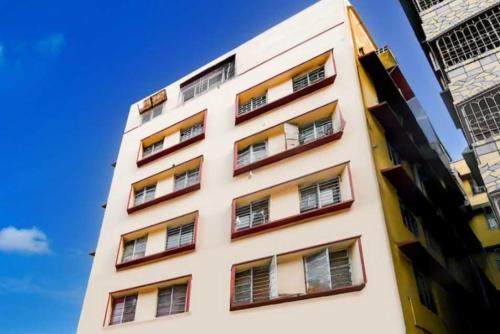
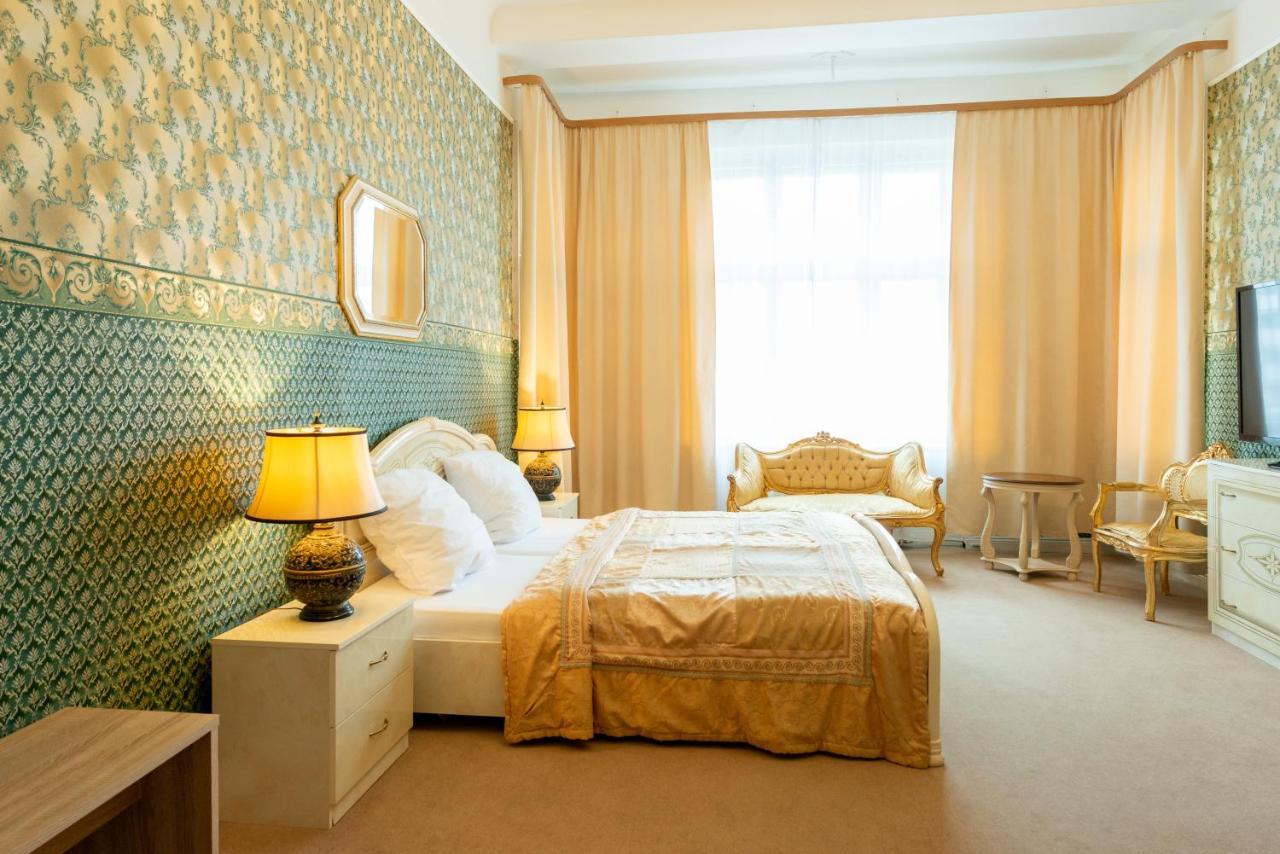
Super Townhouse Oak Ballygunge Formerly Hotel Lovelock
Ballygunge, Kolkata · 4-starGuest score 3.6/5 · 1106 reviewsSee live price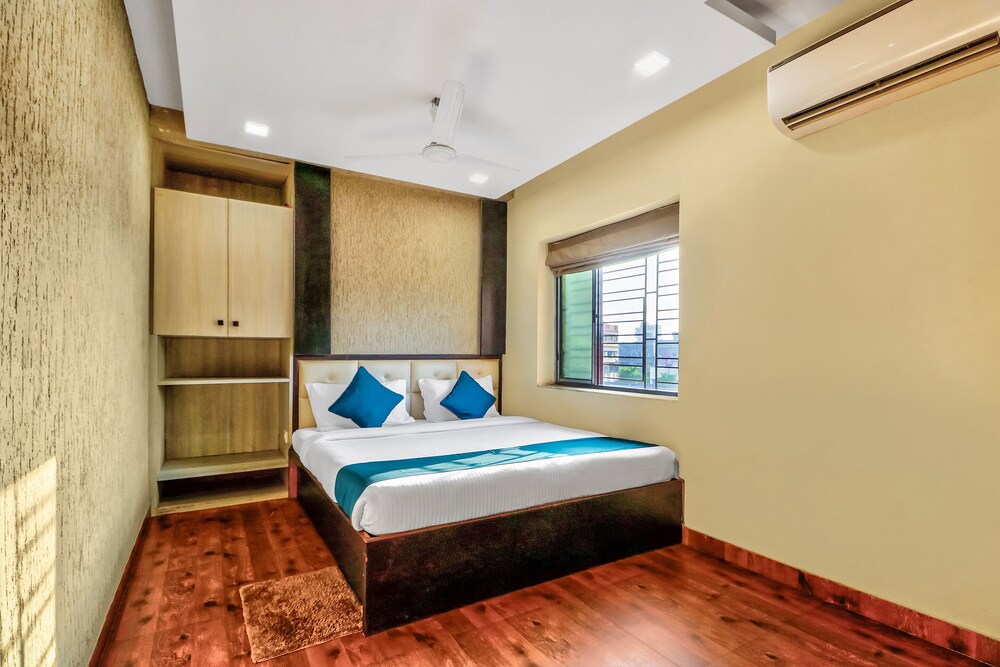 4★
 4★
 4★
 4★
FAQ
Where is Ballygunge in Kolkata?
Ballygunge sits in South Kolkata, close to Gariahat, Kalighat and Southern Avenue, roughly 4.1 km south of Park Street. The Blue Line stations at Kalighat and Rabindra Sarobar serve the area, and Ballygunge railway station takes suburban trains. It is a residential quarter of low-rise houses and old trees rather than a hotel district.
Which metro station is nearest to Gariahat market?
Kalighat and Rabindra Sarobar, both on the Blue Line, are the nearest metro stations to Gariahat market. From either, shared auto-rickshaws and short taxi rides cover the last stretch along Gariahat Road. Check Metro Railway Kolkata for current hours, since timings and line extensions change through the year.
Is Gariahat market worth visiting?
Yes, if you want to see an ordinary Kolkata market at work. The covered hall and pavement stalls sell sarees, fabric, bed linen and household goods, with fish and vegetables inside. Mornings before ten are calmest, and bargaining is expected on the pavements. Sunday afternoons are the most crowded times of the week.
How far is Ballygunge from Park Street?
About 4.1 km. By road the trip varies with traffic on Gariahat Road and at the Rashbehari Avenue crossing, and peak hours are slow. The metro is often quicker: Kalighat or Rabindra Sarobar to Park Street is a few stops on the Blue Line, with no road traffic to contend with.
Are there places to stay in Ballygunge and Gariahat?
A small number of boutique guesthouses and serviced apartments operate in the side lanes, mostly around Ballygunge Phari and Southern Avenue. There are no large hotels in the immediate area. Rooms fill quickly around Durga Puja, so book well ahead and check the current year's festival dates before fixing travel.
What food is Ballygunge known for?
Everyday Bengali home-style cooking: rice, dal, fish curry, kosha mangsho and luchi, plus sweet shops selling rosogolla, sandesh and nolen gur sweets in winter. Street food around Gariahat covers phuchka, jhalmuri and telebhaja. For a wider menu, the long-established Park Street restaurants are a short ride away.
Can you walk around Rabindra Sarobar lake?
Yes. A walking track runs around the lake, with trees and benches, and early morning is the busiest and most pleasant time. The lake sits beside Southern Avenue and gives its name to the nearby Blue Line station. It is a public space with local rules, so follow any notices at the gates.
Is Ballygunge a good base for first-time visitors?
It suits travellers who prefer a quiet, residential base to a central one. The metro puts Park Street, Esplanade and Kalighat within a few stops, and markets and food are on the doorstep. Those who want to walk to the Victoria Memorial or the Maidan from their room will find the centre more convenient.
How do you reach Kolkata airport from Ballygunge?
Netaji Subhas Chandra Bose International Airport is roughly 17 km north-east. By road, allow for city traffic, which varies widely through the day. App cabs are straightforward. The Yellow Line now serves the airport at Jai Hind Bimanbandar station, and services are expanding, so check Metro Railway Kolkata before relying on it.
Read next
Sources: West Bengal Tourism, Metro Railway Kolkata, Kolkata Municipal Corporation, Indian Railways (IRCTC).
Editorial review: 3 November 2026. Opening days, fares and festival dates change; check before you go.
Photo credits: Biswarup Ganguly, CC BY 3.0, via Wikimedia Commons.