
 5★
Jorasanko Thakurbari is the Tagore family house on Rabindra Sarani in North Kolkata, where Rabindranath Tagore was born in 1861 and died in 1941. It is now the Rabindra Bharati Museum, part of Rabindra Bharati University, with galleries on the poet, his family and the Bengal Renaissance. Allow one to two hours. The museum is usually closed on Mondays.
What is Jorasanko Thakurbari?
Jorasanko Thakurbari is the Tagore family mansion in North Kolkata and the house where Rabindranath Tagore was born in 1861 and died in 1941. It stands on Rabindra Sarani in the Jorasanko quarter, a short walk from the older commercial streets of the city. The building now belongs to Rabindra Bharati University and holds the Rabindra Bharati Museum. Its courtyards, verandahs and upper rooms are the setting for much of what visitors know about the poet's early life.
The house was the centre of a large joint family of traders, landowners and patrons of the arts, and it stayed in family use for generations before passing to the university. Rooms are arranged around courtyards, as in most grand North Kolkata houses of the period, so a visit is also a lesson in how an old Bengali household was laid out. Look at the columns, shutters and balconies as well as the display cases.
Birth, death and the poet's rooms
Two rooms carry most of the weight for visitors: the room where Rabindranath Tagore was born in 1861 and the room where he died in 1941. Both are marked, and both draw a steady stream of Bengali visitors who come for the family as much as for the museum. The house works as a place of remembrance as well as a heritage site, and the mood in these rooms is quieter than in the main galleries.
Tagore wrote about growing up in these courtyards late in life, and many visitors arrive knowing the house from those pages. The family's routines, the music, the lessons and the crowded joint household all belong to the same address. Reading a little of that account before the visit makes the rooms easier to picture, though the displays stand on their own without it, and the birth and death rooms need no explanation.
What can you see inside?
The museum runs through a series of rooms and galleries rather than one continuous exhibition. Cases hold manuscripts, letters, photographs, personal possessions and paintings, including work by members of the family who were artists in their own right. Labels are largely in Bengali and English, so a visitor without Bengali can follow the main thread without a guide. The route is not rigidly fixed, and staff will point the way if a door is shut.
Because the house is still a working university building, some areas are off limits and others are in daily use by students. The galleries reward slow looking rather than a quick circuit, and there is usually someone nearby who can say what a case contains. Four things repay attention in particular, and all four are easy to miss if you walk quickly.
- Family portraits: Oil paintings of the Tagore household, including relatives who were writers, musicians and artists, hang in the main galleries.
- Manuscripts and letters: Handwritten pages and correspondence sit in cases, best read slowly rather than in a single pass.
- Personal possessions: Furniture, household objects and belongings of the poet, arranged in the rooms the family actually used.
- Art by the family: Paintings and drawings by the Tagores who worked as artists, shown alongside material on the Bengal Renaissance.
Why the Bengal Renaissance matters
The Jorasanko household was one of the centres of the nineteenth-century Bengal Renaissance, the movement of reform, publishing, education and art that reshaped Calcutta. The galleries set the family in that context: printing, journalism, music, theatre and the argument over women's education all pass through this address. A visitor who comes only for the poet leaves with a wider picture of the city that produced him.
The university that now occupies the site continues the family's teaching tradition, and its students cross the courtyards through the day. That mix of museum and working campus is part of what the place feels like, and it keeps the house from reading as a sealed monument. Weekday mornings are the quietest time to take it in.
How do you get to Jorasanko?
Jorasanko sits in the older northern part of the city, close to the Blue Line metro and within walking distance of College Street. The nearest station is Girish Park, from where the walk is short but passes through crowded lanes. Allow a little time to find the gate, and ask for Rabindra Bharati Museum once you are on Rabindra Sarani, since the campus spreads across several buildings.
By road, the trip from the central business district can take a while in the morning and evening peaks, and the one-way systems around Burrabazar add to it. Yellow taxis and app cabs both make the run, so insist on the meter or agree the fare before setting off. From the airport, allow the better part of an hour depending on traffic.
- By metro: Girish Park on the Blue Line is the closest station, a short walk from the house through busy lanes.
- On foot: College Street, Boi Para and the Indian Coffee House are within a comfortable walk to the south-east.
- By taxi: Yellow taxis and app cabs reach the gate, though traffic near Burrabazar can be slow at peak times.
- Ask for the museum: Locals know the house by several names, so say Rabindra Bharati Museum at the gate.
Opening days and house rules
The museum is generally closed on Mondays and on some public holidays. Days and hours can change, so confirm with Rabindra Bharati University or West Bengal Tourism before crossing the city. Entry is ticketed, and photography rules differ between galleries, so ask at the desk rather than assuming that a camera is allowed throughout.
Shoes may need to be removed before certain rooms or floors, so wear footwear that slips off easily. The building is old, with steps, narrow stairs and uneven floors in places, and much of the route is not step-free. Carrying water is sensible in the hot months, and a torch is useful in the darker corners after a cloudy afternoon.
- Closed Mondays: Monday is usually the weekly closure, while Sundays are busy with family groups and school parties.
- Shoes off: Some sections ask visitors to remove footwear, so choose shoes that come off quickly.
- Photography: Rules vary between galleries, and staff will say what is permitted on the day of your visit.
- Ticketed entry: A ticket is needed for the museum, and it is worth keeping it while moving between buildings.
What else is nearby?
The house sits in a cluster of northern sights that reward a single outing. Marble Palace is a short ride away, the potters of Kumartuli work within reach, and College Street with its book stalls and the Indian Coffee House is a straightforward walk. Old Chinatown at Tiretta Bazaar is close enough for an early breakfast before the museum opens.
Many visitors pair Jorasanko with the river, where the flower market under Howrah Bridge and the ghats at Bagbazar and Shobhabazar fill a morning. Ferries along the Hooghly make a slower and cooler return south, and the north bank is at its best in the early hours.
How long should you allow?
Allow one to two hours inside the house, longer if you read labels and sit in the courtyards. The galleries are small but the building is not, and the route takes in several levels. A hurried twenty minutes gives little beyond the birth and death rooms, which is a pity given how much of the family's story sits in the side cases.
Add an hour or more for the streets outside. The walk back towards College Street is the best part of the outing for many visitors: bookshops, sweet shops and tea stalls, with the noise of the old city all around. Late afternoon light on the northern facades is the reward for timing the visit well.
Hotels in College Street
For Jorasanko Thakurbari, the nearest hotel area is College Street, with 50 stays in the IMPT hotel database. Listed 5-star first, then 4-star, then by guest score; live prices open in the IMPT app.
5★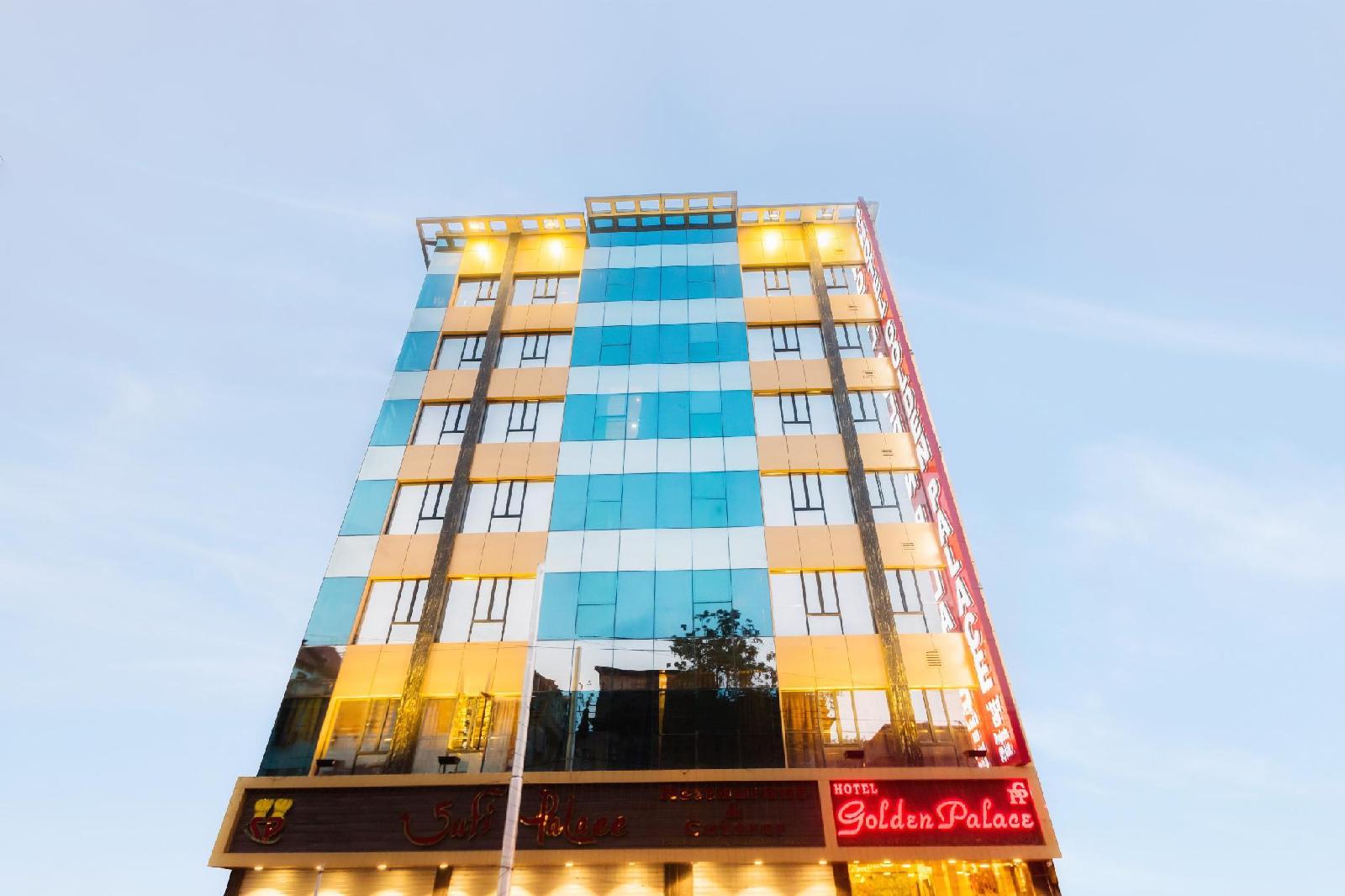 4★
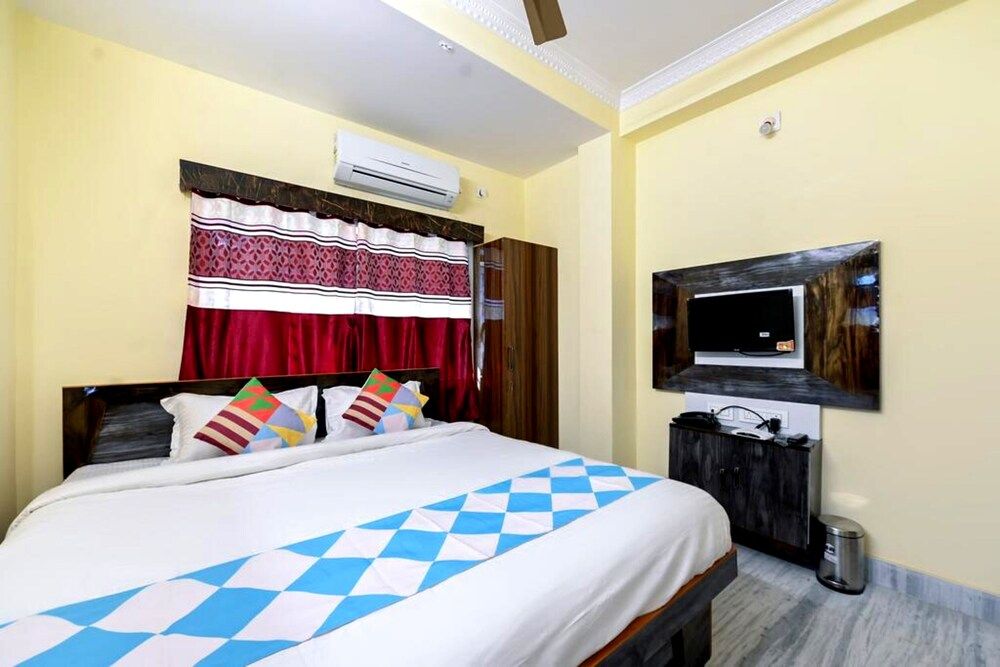
Capital O Hotel Golden Palace
College Street, Kolkata · 4-starGuest score 4.9/5 · 82 reviewsSee live price 4★
 4★
 3★
Goroomgo Comfortable Stay kolkata
College Street, Kolkata · 3-starGuest score 5.0/5 · 2 reviewsSee live price 3★
OYO Rooms Dalhousie Waterloo Street
College Street, Kolkata · 3-starGuest score 4.3/5 · 3 reviewsSee live priceFAQ
Who was born at Jorasanko Thakurbari?
Rabindranath Tagore was born at Jorasanko Thakurbari in 1861, in the family house on Rabindra Sarani in North Kolkata. He also died in the same building in 1941. The Tagore family had lived there for generations before him, and several of his relatives were writers, artists and musicians in their own right.
What is on display at Jorasanko Thakurbari?
The museum holds family portraits, manuscripts, letters, photographs, furniture and personal belongings of Rabindranath Tagore and his relatives. The galleries also cover the Bengal Renaissance, printing, education and the arts. Labels are in Bengali and English. The rooms keep a domestic scale, so the house itself is as much of the exhibit as the cases.
Is Jorasanko Thakurbari closed on Mondays?
Jorasanko Thakurbari is generally closed on Mondays and on some public holidays, but opening days and hours can change. Confirm with Rabindra Bharati University or West Bengal Tourism before making the trip across the city, particularly around festivals and university examination periods when the campus is busy.
How do you reach Jorasanko Thakurbari by metro?
Girish Park station on the Blue Line is the nearest metro stop, and the house is a short walk from there through busy lanes. Trains run from Esplanade, Park Street and other central stations. Check Metro Railway Kolkata for current hours and any service changes before setting out, since timetables are revised.
How long does a visit to Jorasanko Thakurbari take?
Allow one to two hours inside Jorasanko Thakurbari. The galleries are modest in size but the building has several levels and courtyards, and reading the labels takes time. Add an hour if you want to walk back through College Street, or to combine the house with Marble Palace and Kumartuli.
Do you have to remove shoes at Jorasanko Thakurbari?
Some sections of Jorasanko Thakurbari ask visitors to remove footwear, and the rule can vary by room or floor. Wear shoes that slip off easily and carry socks if the floors are cold underfoot. Staff at the entrance will tell you what applies on the day of your visit.
Is Jorasanko Thakurbari suitable for visitors with limited mobility?
Jorasanko Thakurbari is an old house with steps, narrow stairs and uneven floors, and much of the route is not step-free. Visitors who cannot manage stairs can still see parts of the ground level, but should ask staff about the easiest way round. A companion makes the visit much simpler.
What else can you see near Jorasanko Thakurbari?
Marble Palace, Kumartuli, College Street and the Indian Coffee House on Albert Hall are all close by. Tiretta Bazaar, the old Chinatown, is near enough for an early breakfast. The ghats at Bagbazar and Shobhabazar and the flower market under Howrah Bridge fill the rest of a morning in North Kolkata.
Does Jorasanko Thakurbari charge for entry?
Entry to Jorasanko Thakurbari is ticketed, and the charge is set by the university that runs the museum. Check the current rate at the gate or through Rabindra Bharati University before you travel. Carry cash for small purchases in the lanes outside, where card machines are not always available.
Read next
Sources: Rabindra Bharati University, West Bengal Tourism, Metro Railway Kolkata.
Editorial review: 3 November 2026. Opening days, fares and festival dates change; check before you go.
Photo credits: Anik Sarker, CC BY-SA 4.0, via Wikimedia Commons.