
 5★
The Marble Palace is a private mansion on Muktaram Babu Street in North Kolkata, built in 1835 for Raja Rajendra Mullick. The family still lives there, and part of the house opens to visitors who obtain a free permit. Expect marble floors and busts, chandeliers, Victorian furniture, sculpture and European paintings. Photography inside is usually not allowed, and the house closes on Mondays and Thursdays, so check current arrangements before travelling.
What is the Marble Palace?
The Marble Palace is a nineteenth-century mansion on Muktaram Babu Street in North Kolkata, built in 1835 for Raja Rajendra Mullick. It takes its name from the marble used in floors, walls, staircases and sculpture galleries. The house mixes Indian and European taste: columns, busts, mirrors, chandeliers and heavy Victorian furniture fill a long run of rooms around courtyards. It is a family residence rather than a state museum, and that shapes how a visit works.
Visitors see a portion of the house, not the whole of it. Rooms open in a sequence through the ground floor and the upper galleries, and the family's own living quarters stay closed. Because the building is lived in, arrangements can change at short notice, and a visit feels closer to being shown round a private collection than to walking through an exhibition. Allow about an hour for the house and the grounds.
How do you get a permit?
Entry to the Marble Palace runs on a free permit rather than a ticket counter. Historically the permit came from the West Bengal tourism office in the city centre, and it could sometimes be arranged at the gate on the day. Both routes have varied over time, so confirm the current procedure with West Bengal Tourism before setting out, particularly if the visit has to fit a fixed itinerary.
Apply a day ahead where possible and carry photo identification. A permit usually names the visitor and covers a set slot, and the guard at the gate checks it before anyone enters the compound. Groups should ask in advance rather than arriving together at the entrance, since the rooms are small and the family still lives on site. Weekday mornings are the calmest.
- Ask ahead: Contact West Bengal Tourism for the current permit route before the day of travel.
- Or try the gate: Some visitors have obtained the permit at the entrance; treat that as a fallback, not a plan.
- Carry identification: Photo identification is checked at the gate and should match the name on the permit.
- Expect a time slot: The permit usually names a slot, so arrive within it rather than at an odd time.
- Keep the party small: Small groups are easier to fit into the rooms than a large one arriving together.
What do you see inside?
Inside, the Marble Palace is dense with objects. Marble busts and full-length statues line the corridors, along with clocks, vases, mirrors and lamps. Chandeliers hang in nearly every room, and the walls carry European oil paintings in heavy frames. Furniture is period Victorian, much of it roped off or set behind rails. The effect is of a collection packed into a family house rather than arranged in a museum gallery.
Several rooms carry names that hint at their contents: a picture gallery, a sculpture room, a ballroom and a throne room with a ceremonial seat. Ceilings are high, floors are marble and the light is dim away from the windows. Look up as much as forward, because a good deal of the decoration is overhead. The circuit is short, so there is time to linger.
- Marble statuary: Busts and standing figures in white marble fill the corridors and the sculpture room.
- Chandeliers: Glass chandeliers hang through the main rooms, several of them imported in the nineteenth century.
- European paintings: Oils in heavy frames cover the walls of the picture gallery, hung close together.
- Victorian furniture: Chairs, tables and cabinets of the period stand in the rooms, largely behind rails.
- The throne room: A ceremonial seat and formal furniture mark the room used for family occasions.
Paintings, sculpture and curios
The picture collection is European in the main. Oil paintings hang frame to frame in the gallery, portraits and figure studies among them, and the hang follows the way the family assembled the collection rather than any chronology. Labels are limited, so a visit rewards looking rather than reading. Chandeliers and mirrors are arranged to be seen with the paintings, which makes the gallery feel furnished rather than curated.
Sculpture runs through the whole house. Marble appears as busts, as standing figures, and in the fabric of the building itself: floors, stairs and some chimney pieces. Some pieces follow classical European subjects, others are portraits. There is no museum-style catalogue and no audio guide, so the pleasure lies in the accumulation rather than in attribution. Keep to the marked route and do not touch the marble.
The grounds, zoo and aviary
The house sits in a compound off Muktaram Babu Street, with lawns, trees and outbuildings behind the gate. A small private zoo and aviary have long been part of the grounds, holding birds and other animals kept by the family. What is there changes from year to year. Treat the animals as an incidental part of the visit rather than the reason for it, and follow the guard on where to walk.
The garden also gives a breather from the crowded rooms, and the front of the house shows the classical face that the marble is meant to serve: columns, a portico and a short drive. Photographs of the exterior are usually easier to arrange than anything indoors, though it is worth asking at the gate. Keep to the paths and to whatever is marked as open.
Opening days and house rules
The Marble Palace has historically closed on Mondays and Thursdays, and it keeps family hours rather than museum hours. Opening times shift, so check the current days with West Bengal Tourism before crossing the city. Entry is by the free permit described above, not through a ticket window, and there is no ordinary advance booking system. A phone call or an email ahead saves a wasted morning.
Photography is usually not allowed inside, and bags may be checked at the entrance. Rooms are roped and objects are not to be touched. Because a family lives on the premises, noise carries and some areas stay off limits without explanation. Dress is ordinary and there is no formal code, but this is a home rather than a monument, and a quiet manner keeps the visit smooth for everyone.
- Closed days: Mondays and Thursdays have been the usual closure; confirm the current week's pattern.
- No photography inside: Cameras and phones are normally put away indoors; ask the guard about the garden.
- Roped rooms: Barriers mark what is open, and the family's own rooms are not part of the visit.
- Bags checked: Bags may be looked at on entry, so keep the load light and simple.
Getting to the Marble Palace
The Marble Palace stands in North Kolkata, a short ride from the College Street book market and its surrounding lanes. Auto-rickshaws, yellow taxis and app cabs all cover the distance, and the last stretch runs through narrow streets where traffic slows. Give the driver the street name, Muktaram Babu Street, rather than the house name alone, and expect to walk the final few metres.
By metro, the useful stops are on the older northern stretch of the Blue Line, around Girish Park and Shyambazar, from where the house is a short auto ride. Lines and stations are being extended and renamed in places, so check Metro Railway Kolkata for the current map and hours rather than relying on an old one. Allow extra time in the morning peak.
What to combine with a visit
The Marble Palace sits in the same northern belt as Jorasanko Thakurbari, Tagore's family home and now a museum, and the lanes around Shyambazar and Sovabazar. Pairing the two gives a morning of nineteenth-century houses within a short ride of each other. Kumartuli, the potters' quarter where Durga idols are made, is also north and is busiest from July to September.
Allow about an hour at the Marble Palace, less if the permit covers a single circuit. The house does not fill a morning by itself, so a second stop makes sense. South of the old city, the Indian Museum and the Victoria Memorial each take an afternoon and are a metro ride from the northern stations. A food stop on College Street fits naturally at either end.
Hotels in College Street
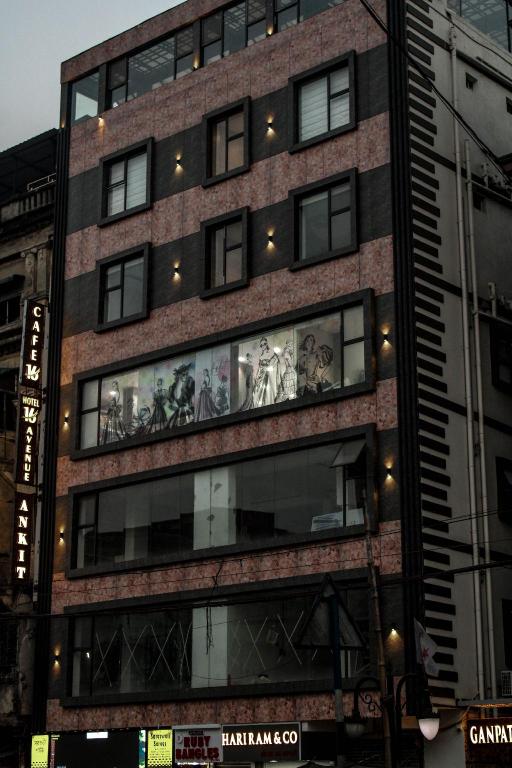
For Marble Palace, the nearest hotel area is College Street, with 50 stays in the IMPT hotel database. Listed 5-star first, then 4-star, then by guest score; live prices open in the IMPT app.
5★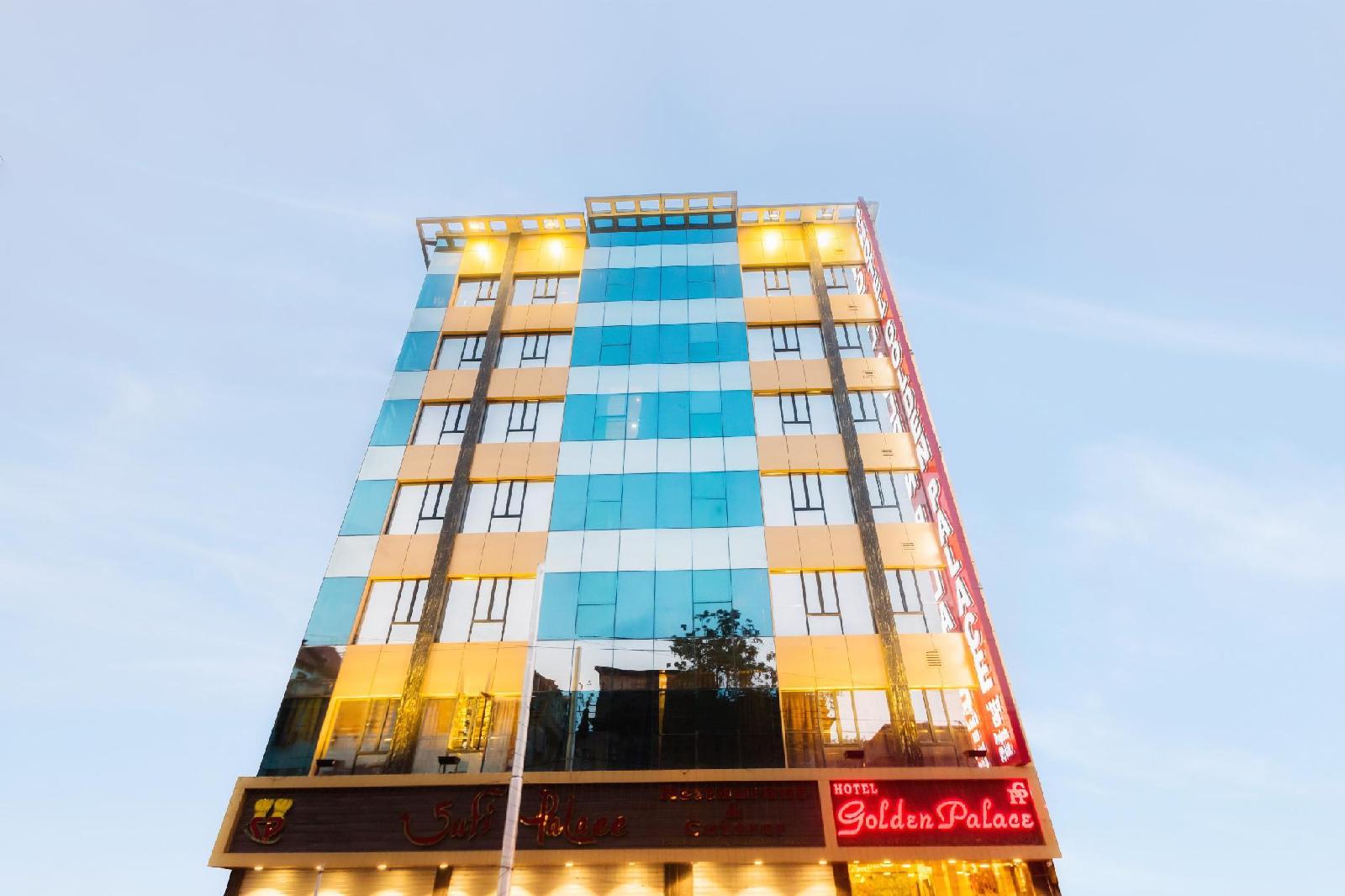 4★
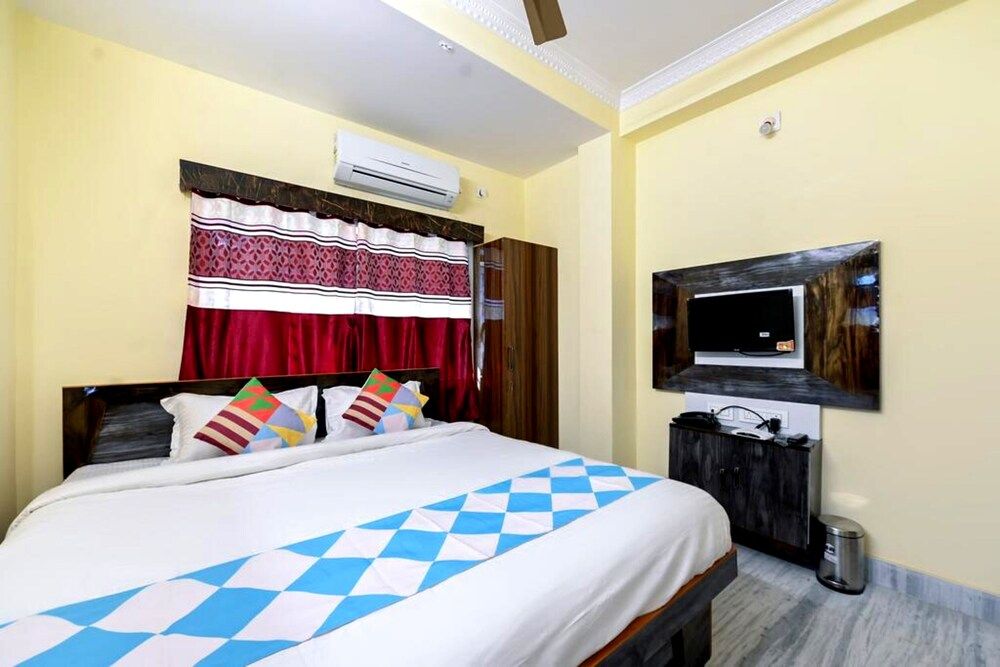
Capital O Hotel Golden Palace
College Street, Kolkata · 4-starGuest score 4.9/5 · 82 reviewsSee live price 4★
 4★
 3★
Goroomgo Comfortable Stay kolkata
College Street, Kolkata · 3-starGuest score 5.0/5 · 2 reviewsSee live price 3★
OYO Rooms Dalhousie Waterloo Street
College Street, Kolkata · 3-starGuest score 4.3/5 · 3 reviewsSee live priceFAQ
Where is the Marble Palace in Kolkata?
The Marble Palace stands on Muktaram Babu Street in North Kolkata, in the older part of the city near the College Street book market and the lanes around Shyambazar. It is a short auto or cab ride from those areas. Give the driver the street name, since the house sits inside a residential neighbourhood.
Do you need a permit to visit the Marble Palace?
Yes. The Marble Palace is a private family residence and entry runs on a free permit rather than a ticket. Permits have historically come from the West Bengal tourism office and, at times, from the gate itself. Confirm the current arrangement with West Bengal Tourism before travelling, because the process changes.
How long does a visit to the Marble Palace take?
Allow about an hour for the house and the grounds. The rooms open in a set sequence and there is no cafe, shop or film to extend the trip. Visitors with a strong interest in nineteenth-century painting or marble sculpture may stay longer, but most finish inside sixty minutes.
Is the Marble Palace still a private home?
Yes. Descendants of Raja Rajendra Mullick, who built the house in 1835, still use the Marble Palace as a residence. That is why entry runs on permits, why photography is restricted and why only part of the building is open. It is a family collection shown to visitors, not a state-run museum.
Can you take photographs inside the Marble Palace?
Photography is usually not allowed inside the Marble Palace, and phones are normally put away in the rooms. Rules at the gate take precedence over anything written elsewhere, so ask the guard on arrival. Exterior shots in the compound are often easier to arrange than anything indoors.
Which days is the Marble Palace closed?
The Marble Palace has historically closed on Mondays and Thursdays. The house keeps family hours rather than fixed museum hours, and closures can change at short notice for private reasons. Check the current week's pattern with West Bengal Tourism before travelling across the city.
What can you see inside the Marble Palace?
Inside there are marble busts and standing figures, glass chandeliers, Victorian furniture, clocks, mirrors and a picture gallery of European oil paintings. Rooms carry names such as the ballroom and the throne room. Objects are displayed much as the family assembled them, roped off in places, without museum labels.
Does the Marble Palace have a zoo?
A small private zoo and aviary have long stood in the grounds of the Marble Palace, kept by the family. What is held there changes, and the collection is incidental to the house. Treat the animals as a small part of the visit rather than a reason to go, and follow the guard on where to walk.
How do you reach the Marble Palace from College Street?
From College Street, take an auto-rickshaw or cab to Muktaram Babu Street in North Kolkata; the ride is short but slow in traffic. By metro, get off in the older northern stretch of the Blue Line, around Girish Park or Shyambazar, then take an auto. Check Metro Railway Kolkata for current stations.
Read next
Sources: West Bengal Tourism, Kolkata Municipal Corporation, Metro Railway Kolkata.
Editorial review: 3 November 2026. Opening days, fares and festival dates change; check before you go.
Photo credits: Swarnasubarna26, CC BY-SA 4.0, via Wikimedia Commons.