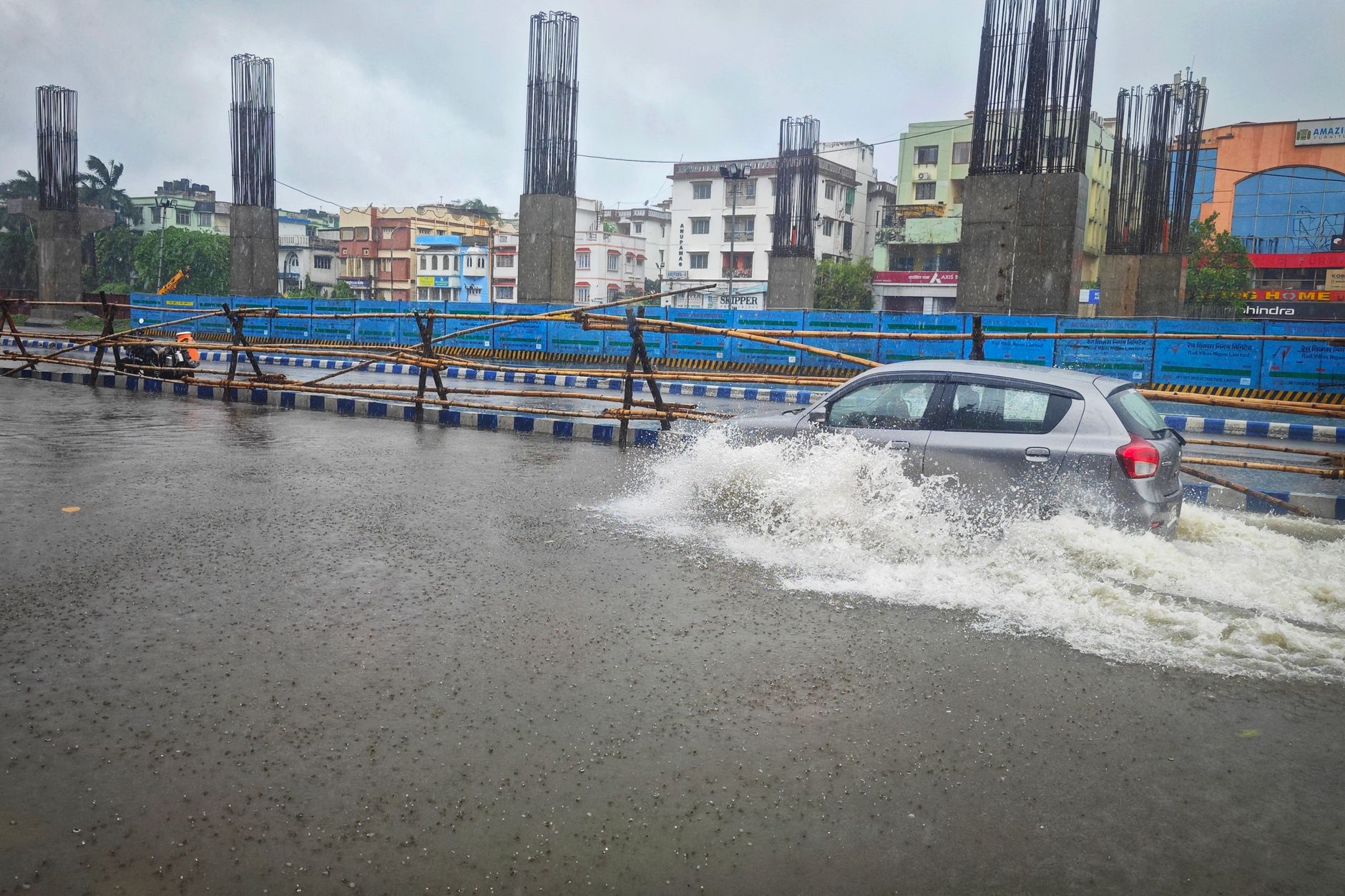
Kolkata in the monsoon is worth it for travellers with flexible days. June to September brings heavy rain, occasional waterlogging and high humidity, but the metro keeps running, sights stay open, hotel demand falls and hilsa arrives on Bengali menus. Short trips risk a washed-out afternoon; a week absorbs the weather. Check forecasts and municipal advisories before you commit.
Is Kolkata worth visiting in the monsoon?
The monsoon is a fair time to see Kolkata if you accept the trade-offs. Rain is heavy and some roads flood, but the city slows into a rhythm that suits museums, long lunches and early evenings by the river. Hotel demand falls, so rooms are easier to find and queues are shorter. Sights stay open, and the main risk, a washed-out afternoon, is usually solved by keeping plans loose and one indoor option in reserve.
The plain answer depends on the length of the trip. With a week or more, yes: the rain becomes part of the atmosphere and there is time to wait it out. With two or three days and a fixed list of outdoor sights, the odds of losing half a day are real. Rain rarely falls without a break, so a short visit still sees plenty of the city if plans stay loose.
How much does it rain in Kolkata?
The monsoon runs roughly from June to September, with July usually the wettest month. India Meteorological Department normals show the long-term pattern, though daily totals vary widely and heavy spells can arrive with little warning. April and May, before the rains, bring heat and evening thunderstorms known as kalbaishakhi. October is a transition month as the rain tapers, and November is normally dry. The season is not uniform, and a wet week can sit beside a drier one.
Rain in Kolkata tends to arrive in bursts rather than settle into steady drizzle: a hard hour, a gap, then more. Humidity stays high between showers and daytime temperatures often sit in the low thirties. Evenings after a downpour are cooler, and the Maidan and the riverfront empty out quickly. Umbrellas appear on every corner once the rain starts. The opposite season, December to February, is cool and dry, which is why winter is the busiest time for visitors.
How bad is waterlogging in the monsoon?
Low-lying roads hold water after a heavy downpour, and some streets become impassable for a few hours. Drainage is a long-running civic issue, and the Kolkata Municipal Corporation issues advisories during spells of heavy rain. Water usually clears once the shower passes, though not always quickly. The problem is mostly inconvenience rather than danger, and it is patchy: one street floods while the next stays dry. Travel with that in mind rather than cancelling plans.
For a visitor the practical effect is on movement rather than safety. Main roads and the metro keep working, so most journeys can still be made with extra time allowed. Avoid stepping into water where the surface or an open drain cannot be seen, and carry a change of footwear. When a downpour is heavy, wait it out in a cafe or museum and travel afterwards. Check Kolkata Municipal Corporation advisories before a long cross-city trip.
- Check advisories: Read Kolkata Municipal Corporation updates before setting out on a long cross-city journey.
- Use the metro: Blue Line and Green Line services run through heavy rain when the roads slow.
- Wait it out: Hard showers often pass, so a pause in a cafe costs little.
- Watch your footing: Avoid wading through water where the surface or open drains cannot be seen.
What is hilsa season in Kolkata?
Hilsa, the oily river fish that Bengalis wait for all year, arrives with the monsoon, usually from July, though the run shifts with the river and the weather. Shorshe ilish, hilsa in a mustard sauce, is the dish of the season, and Bengali kitchens across the city put it on the menu while the run lasts. Supply moves with the catch, so a dish can appear and vanish within days. Ask what came in that morning.
The fish sits in a wider food calendar: monsoon hilsa, then winter sweets made with nolen gur, then the lighter dishes of spring. Markets such as New Market and neighbourhood bazaars sell hilsa while the season runs, and Bengali restaurants build menus around it. Anyone travelling in June or late September should ask locally whether the run has started or finished, since timing shifts from year to year. Cooked at home or ordered out, it is the taste most associated with the wet months.
What happens in the city during the monsoon?
In August the workshops of Kumartuli are busy shaping the Durga idols that will be worshipped in the autumn. The potters' quarter in North Kolkata is open to visitors who walk quietly, keep to the lanes and ask before photographing. Idols stand in various stages, from bamboo frames to painted faces, and the smell of clay and straw fills the workshops. Mornings are the calmest time to walk through.
Rath Yatra, the chariot festival, falls in June or July and the lunar date moves each year, so check the current year's dates. Durga Puja itself usually comes in late September or October, at the tail of the rains, and Kali Puja follows on the new-moon night of Diwali. The wet months are also a good time for the Indian Museum, the Victoria Memorial Hall and long lunches. Check opening days before crossing the city.
What should you pack for the monsoon?
An umbrella is the first item, and it should be a sturdy one, since light folding models turn inside out in a strong gust. Quick-dry clothing in light cotton suits the humidity better than denim, which stays damp for hours. Footwear that grips wet pavement matters more than style, and a spare pair of socks earns its place in the bag. Nothing dries overnight in July.
A waterproof pouch for phone, passport and cards keeps documents usable after a soaking. A light rain jacket helps for longer walks and for the breeze off the river. Mosquito repellent is useful in the evenings, particularly near standing water. Hotels can usually dry a shirt, but laundry is slow in the damp, so pack enough for the days you plan to be in the city. Keep a plastic bag for wet clothes.
- Sturdy umbrella: A strong frame survives gusts that turn light folding models inside out.
- Quick-dry clothing: Light cotton dries faster than denim and suits the humid days.
- Grippy footwear: Wet pavements and shallow water make grip more useful than style.
- Waterproof pouch: Keep phone, passport and cards dry in a sealed bag.
- Spare socks: Nothing dries overnight in July, so a second pair matters.
How do you get around in the rain?
The metro is the reliable option. The Blue Line runs north to south via Shyambazar, Esplanade, Park Street and Kalighat, and the Green Line crosses under the Hooghly to Howrah Maidan and continues east towards Salt Lake. Services continue through heavy rain, which makes the metro the most predictable way across the city in July and August. Check Metro Railway Kolkata for current hours and stations.
On the roads, allow more time than the distance suggests. Traffic slows in rain, app cab waits lengthen and yellow taxis become harder to find at the peak of a downpour. Auto-rickshaws on fixed routes keep running but offer little shelter. Ferries on the Hooghly may be suspended in rough weather, so check before building a crossing into the day. Walks are best kept short and on main roads.
- Metro first: Blue Line and Green Line services run through rain when roads are slow.
- Book cabs early: App cab waits lengthen during a downpour, so request one before leaving.
- Check ferries: Hooghly crossings can be suspended in rough weather, so confirm before setting out.
- Keep walks short: Plan short stretches on main roads rather than long routes through lanes.
Can you visit the Sundarbans in the monsoon?
Trips to the Sundarbans become difficult in the monsoon. Boat travel is rough, the West Bengal Forest Department controls permits, and operators scale back or stop altogether. The recommended window for the mangrove delta runs from November to March, when conditions are calmer and the reserve is easier to move through. Heavy rain limits both movement and visibility, and a two or three day trip has little slack for a lost day.
Other day trips are affected too: Shantiniketan is wet, Chandannagar is a short suburban ride but better in drier months, and long road journeys take longer. The sensible plan is to keep the monsoon for the city, where the metro, museums and covered markets carry the day, and to save the delta for a winter visit. Check conditions with the West Bengal Forest Department before any booking.
FAQ
Is Kolkata in the monsoon worth it for a short trip?
For two or three days, the monsoon is a gamble. Rain can wipe out an afternoon, and outdoor sights such as Prinsep Ghat or the flower market at Mallick Ghat lose their appeal in a downpour. A short trip still works if you keep one indoor plan per day and accept that timings will shift. Longer visits absorb the weather more easily.
How much rain does Kolkata get during the monsoon?
Daily rainfall varies widely and no single figure describes a season. The monsoon runs from June to September, July is usually the wettest month, and heavy spells can arrive with little warning. Humidity stays high between showers. Check India Meteorological Department forecasts for the days you plan to be in the city.
Does waterlogging affect a monsoon visit to Kolkata?
It can, mostly by slowing movement. Low-lying roads hold water after heavy rain and some become impassable for a few hours. The metro keeps running and main routes usually clear. Allow extra time, avoid wading where you cannot see the surface, and check Kolkata Municipal Corporation advisories before a long cross-city journey.
When is hilsa season in Kolkata?
The hilsa run coincides with the monsoon, roughly from July into September, though the catch moves with the river and the weather. Shorshe ilish appears on Bengali menus while it lasts. Availability changes daily, so ask what came in that morning rather than assuming a particular dish is being served.
What festivals fall in Kolkata's monsoon months?
Rath Yatra falls in June or July, and the lunar date moves each year, so check the current year's dates. In August the workshops at Kumartuli are busy making Durga idols for the autumn festival. Durga Puja itself usually comes in late September or October, at the end of the rains, and Kali Puja follows in October or November.
Does the metro run during monsoon rain in Kolkata?
Yes. The Blue Line runs north to south via Shyambazar, Esplanade, Park Street and Kalighat, and the Green Line crosses under the Hooghly to Howrah Maidan and runs east towards Salt Lake. Services continue through heavy rain, which makes the metro the most predictable way across the city in July and August. Check Metro Railway Kolkata for hours.
What should you pack for Kolkata in the monsoon?
A sturdy umbrella, quick-dry clothing and footwear that grips wet pavement cover most of it. Add a waterproof pouch for documents and a spare pair of socks, since nothing dries quickly in the humidity. Light cotton layers suit the warm, damp days, and a light rain jacket helps on longer walks along the river.
Can you visit the Sundarbans during the monsoon?
Trips become difficult. Boat travel is rough, permits come from the West Bengal Forest Department and operators scale back, and the usual season runs from November to March. Heavy rain limits what can be seen and moved through. Plan the mangrove delta for the dry months and keep the monsoon for the city.
Can you visit Victoria Memorial in the monsoon?
Yes. Victoria Memorial Hall stays open through the rains, though the museum closes on Mondays and some national holidays, and the 64-acre grounds are a wet walk in a downpour. The nearest metro stations are Maidan and Rabindra Sadan. Check Victoria Memorial Hall for current timings before setting out.
Read next
- Best time to visit Kolkata: a month-by-month guide
- Getting around Kolkata
- Sundarbans from Kolkata
- More from the Kolkata blog
Sources: India Meteorological Department, Kolkata Municipal Corporation, Metro Railway Kolkata, West Bengal Forest Department, West Bengal Tourism.
Editorial review: 3 November 2026. Opening days, fares and festival dates change; check before you go.